I Don't Care About Movements as Much as You Do
After years of researching watches, I've come to a heretical conclusion: I don't think what's inside matters as much as collectors claim. Here's why movement snobbery misses the point.
About this article: this is an informational article based on public sources: manufacturer specifications, published hands-on reviews by other outlets, owner feedback and current prices. We have not tested the watch ourselves, we are watch enthusiasts rather than professional journalists, and nothing here is buying advice. No brand paid for it. Our method
📑 Table of Contents
Right. Cards on the table. I spend a lot of my time researching and writing about watches, reading spec sheets, forum debates and reviews until my eyes cross. And I need to confess something that'll get me flamed on every forum from WatchUSeek to Reddit: I don't think movements matter nearly as much as the enthusiast community insists they should.
There. I said it.
Before the pitchforks come out, let me be clear. I'm not saying movements don't matter at all. I understand the engineering. I appreciate the craft. Watching enough footage of watchmakers at their benches is enough to know that a Lange & Söhne calibre represents hundreds of hours of human skill. It's objectively beautiful.
But here's the thing. Based on how owners actually describe living with their watches day to day, the movement seems to account for a fairly small share of the enjoyment. Maybe 5 to 10% on a good day. And I suspect that's true for a lot more people than are willing to admit it.
The Spec Sheet Obsession
We've built an entire culture around movement worship. Open any watch forum and half the discussion is about beat rates, power reserves, finishing grades. Someone posts a wrist shot and the first three comments are always the same: "What movement?" "In-house or ETA?" "How's the amplitude?"
Take something like a Seiko Presage with a blue enamel dial and proper dress watch proportions, the kind of piece that can be picked up used for a few hundred pounds. The movement is the 4R35, a thoroughly ordinary calibre you can find in a £200 diver. And yet owners of watches like this routinely report loving to wear them, to weddings, to client meetings, to everyday life, and getting compliments constantly.
What rarely comes up in those accounts is anyone asking what's ticking inside. The watch does its job. It tells the time accurately. It looks fantastic. Job done.
What Actually Matters
Here's what actually matters when choosing a watch to wear: Does it fit the wrist properly? Is the lug-to-lug reasonable? Will the bracelet pull arm hair? Is the dial legible? Does it work with what you're wearing?
Practical stuff. Human stuff.
Take the Rolex Explorer, with its Calibre 3230, Chronergy escapement and Paraflex shock absorbers. It's a genuinely excellent movement. But the reason it's such a popular daily-wear watch has more to do with the fact that it's 36mm, sits neatly under a shirt cuff, and has a handset that's visible in almost any light. According to how owners typically describe the appeal, the movement tends to rank well down the list of reasons they reach for it.
Among vintage Omega collectors, it's a common refrain that a favourite piece in the collection is often something modest, a basic bumper automatic from the late 1960s, prized because it wears perfectly at the right size and weight, with the right patina. Nothing about the movement enters into it.
The In-House Trap
The whole in-house movement thing has gotten out of hand. Brands have convinced buyers that an ETA-based watch is somehow shameful, that you're not a real collector unless you're wearing a manufacture calibre.
Rubbish.
ETA movements are brilliant. They're reliable, serviceable almost anywhere, parts are widely available, and they've been refined over decades. The 2824, found in watches like the Sinn 556, has a long-standing reputation among owners for running within COSC specs for years without needing a service. It's a workhorse. And there's something honest about that.
Meanwhile, plenty of watches at four figures and up carry "in-house" movements that turn out to be modified ETAs with a custom rotor, or genuinely new calibres that haven't been properly debugged and spend more time at the service centre than on a wrist, according to owner reports and reviews.
Given the choice, a proven, reliable movement seems a far better bet than an in-house one that exists mainly for marketing.
When Movements DO Matter
Look, I'm not completely mad. There are times when the movement genuinely elevates a watch.
Complications, for instance. If you're buying a perpetual calendar or a minute repeater, yeah, the movement is kind of the whole point. You're buying the mechanism as much as the watch.
Or if you're spending serious money, five figures plus, then proper finishing is a reasonable expectation. Display casebacks exist for a reason. At that price, Geneva stripes and polished bevels aren't too much to ask.
And vintage pieces, absolutely. Part of the appeal of vintage collecting is understanding the calibres, knowing what's original, what's been replaced. That history matters.
But for everyday watches, the ones people actually wear? The movement doesn't seem to be the dealbreaker the enthusiast conversation makes it out to be.
The Quartz Heresy
While we're being controversial, let's talk quartz.
Take the Grand Seiko 9F, a quartz movement rated to around ±10 seconds a year, never needing winding, housed in cases that reviewers consistently praise for their dial and case finishing. It's easy to see why watches built around it end up among owners' most-worn pieces.
The movement snobbery around quartz is one of the odder corners of this hobby. Mechanical movements get treated as "real watchmaking" while quartz, which is objectively superior at the actual job of timekeeping, gets dismissed. That's pure emotion, which is fine, but it's worth being honest that it isn't rational.
There is romance in a mechanical movement, the sweep of a seconds hand, the faint tick against the wrist, the connection to centuries of horology. That's a real and valid part of the appeal. But romance doesn't make a movement inherently better, just different.
What I Actually Look For
So if movements aren't the focus, what should be?
Proportions, first and always. A 40mm case that wears like 44mm because the lugs are too long is a deal-breaker, regardless of whether there's a hand-wound Lange movement inside.
Dial design. Is it balanced? Is it legible? Does it have personality without being gimmicky? A great dial beats a great movement most of the time.
Bracelet quality. Wearers experience the bracelet, not the movement. A rattly, sharp-edged bracelet is one of the most commonly cited reasons owners end up moving on watches they otherwise loved on paper.
Wearability. How is a watch likely to feel over a full day, based on its case dimensions, weight distribution and bracelet design? Comfort is king.
Value. Not just price, but what you're getting for the money. A £500 watch that wears like £2,000 is better than a £2,000 watch that feels like £500, regardless of what's ticking inside.
The Point of This Rant
I'm not trying to convince anyone that movements don't matter. If you love diving into calibre specs, if the idea of a beautifully finished movement behind a display caseback brings you joy, that's brilliant. Genuinely.
But it's worth questioning whether the hobby has lost a bit of perspective, turning horology into a spec sheet competition where the movement is the only score that counts. In doing so, it's easy to miss what makes watches genuinely great to own and wear.
A watch is a holistic thing. It's the weight on the wrist, the way light catches the dial in the afternoon, the sound a clasp makes when it closes, the glance stolen at it during a dull meeting. The movement is part of that, but it's not the whole story.
Plenty of collectors buy watches chiefly for the movement inside and move them on within months because they don't wear well in practice. Others buy despite a fairly ordinary movement and keep the watch for years because everything else about it works.
Your mileage may vary. But it's worth trusting the practical factors, fit, legibility, dial design, wearability, over what the spec sheet says should matter.
And honestly? Approaching the hobby that way tends to make it a lot more enjoyable.
Written by
RevieWatches Editorial Team
RevieWatches is an independent, informational watch site. We research specifications, track pricing across retail and grey markets, and summarise what published...
More in Editor's Choice
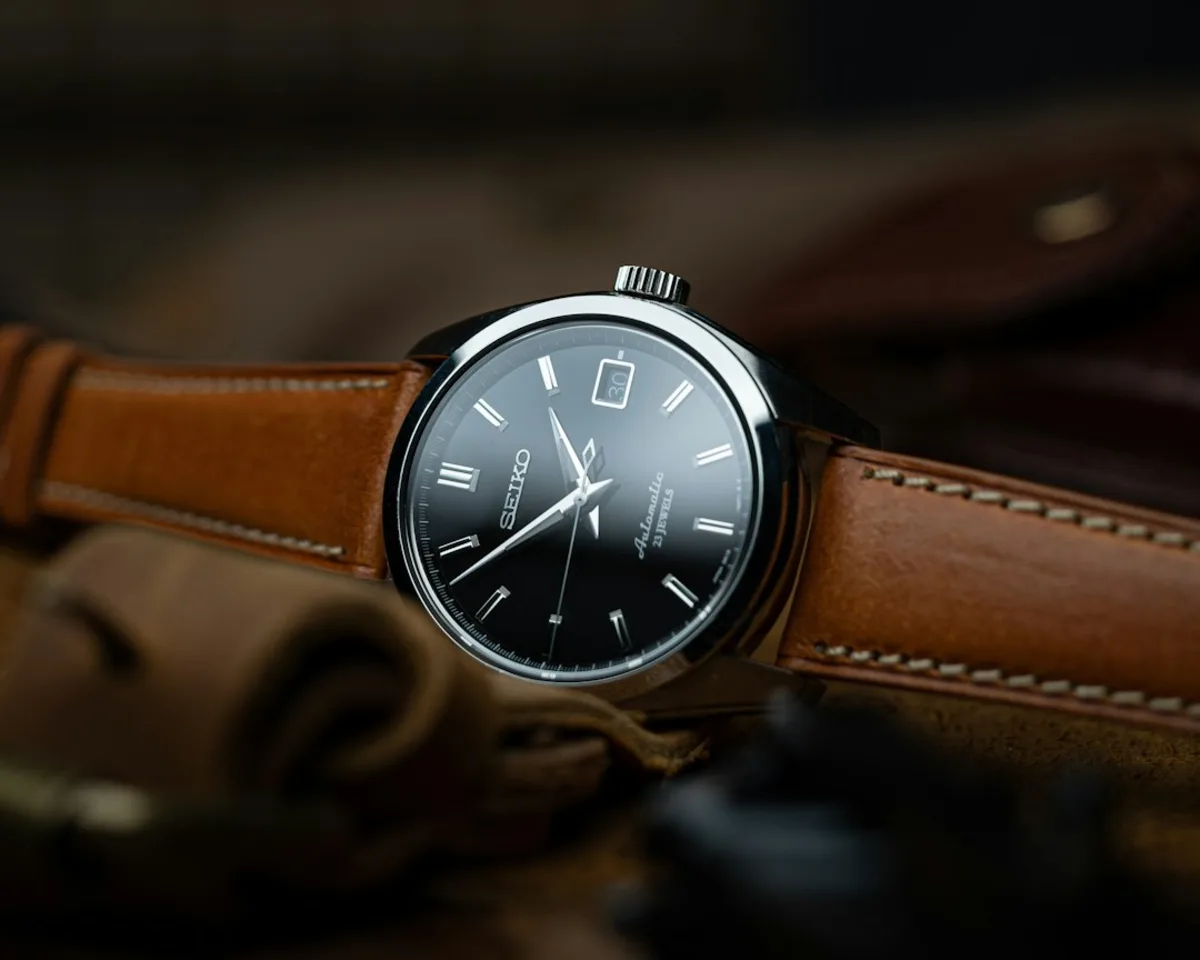
Watch Strap Guide: NATO, Rubber, Leather or Bracelet?
Changing the strap is the fastest way to change how a watch looks and feels. Here are the main watch strap types, what each is good for, and how to pick the right size.
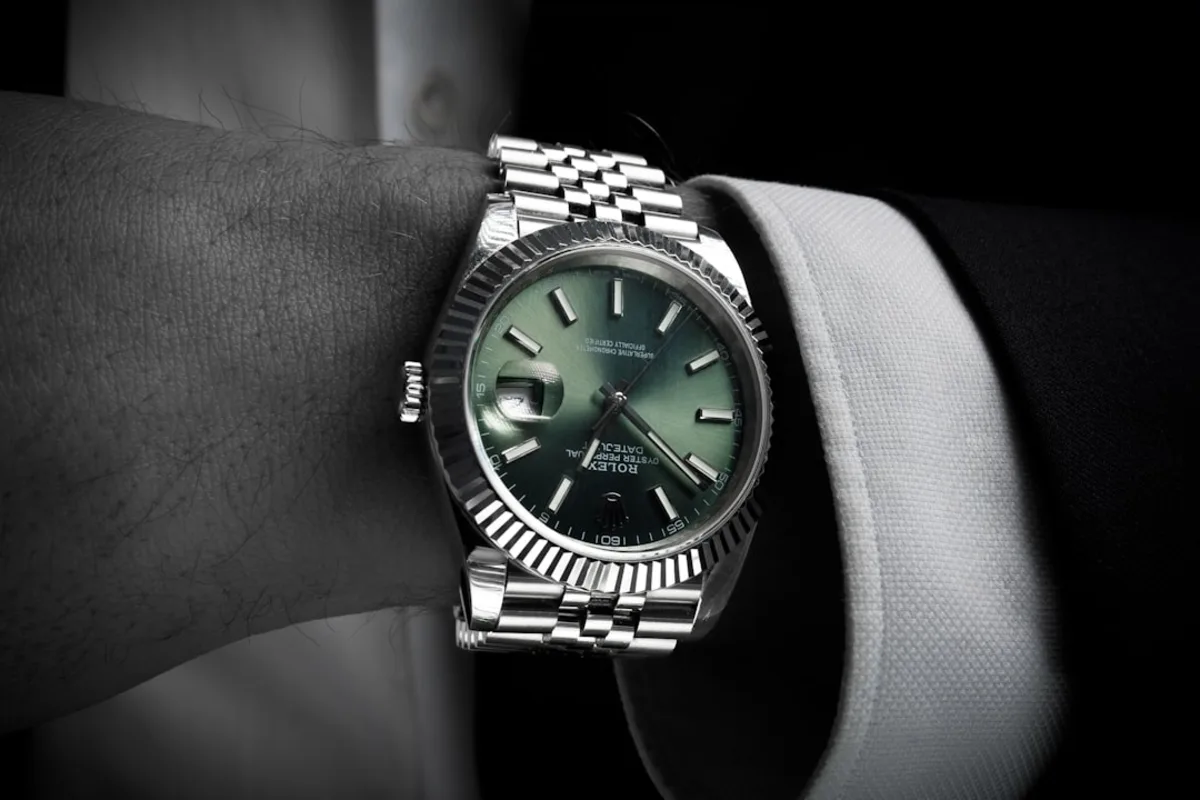
How to Clean a Watch and Bracelet Without Damaging It
A watch worn every day collects sweat, skin and grime, especially in a steel bracelet. Cleaning it takes minutes if you use the right method, and a few mistakes can cause real damage.
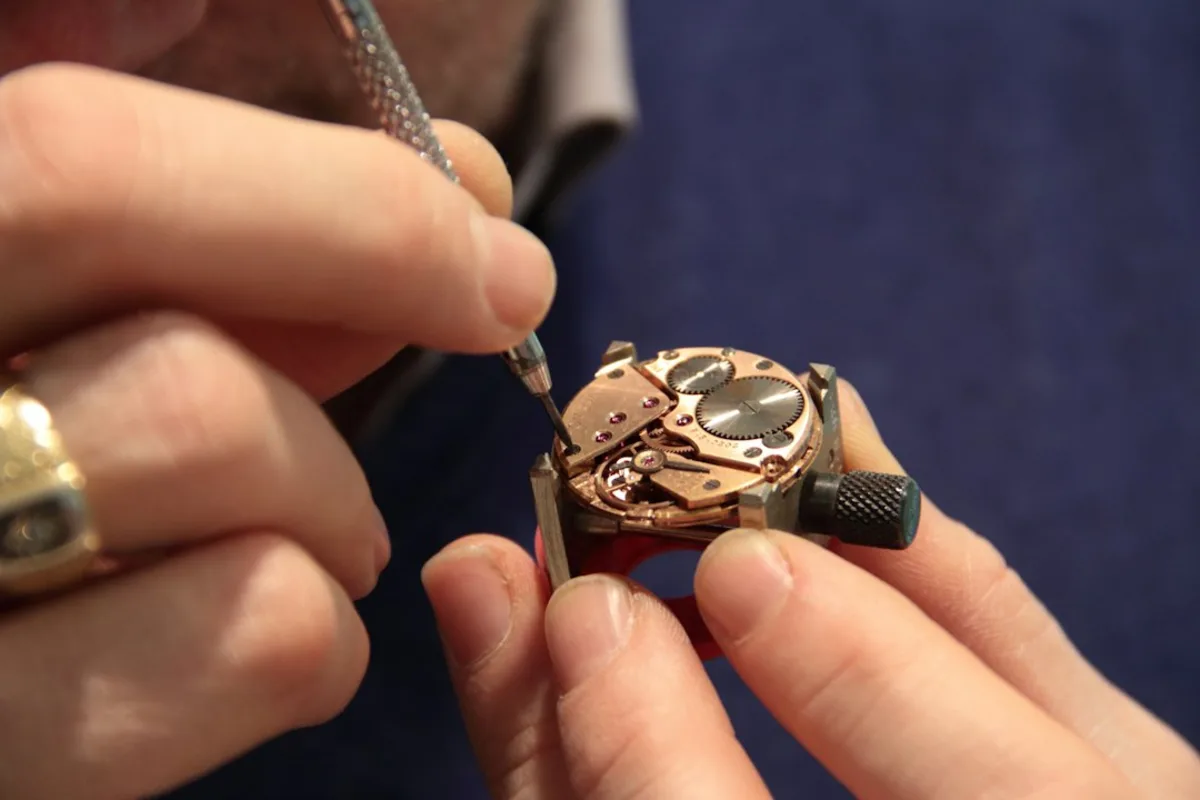
How to Wind and Set a Mechanical Watch Correctly
Winding and setting a mechanical watch takes seconds, but a few common mistakes can cause damage. Here is the correct way to do it, step by step.