Why Smaller Watches Are Back (And I'm Here For It)
After two decades of wrist real estate arms races, the industry's finally remembered that not everyone wants to strap a dinner plate to their arm. Here's why the shift to sub-40mm makes sense.
About this article: this is an informational article based on public sources: manufacturer specifications, published hands-on reviews by other outlets, owner feedback and current prices. We have not tested the watch ourselves, we are watch enthusiasts rather than professional journalists, and nothing here is buying advice. No brand paid for it. Our method
📑 Table of Contents
Watch forums have been asking why watches are getting smaller for years now. For most of the 2010s, wearing anything under 42mm invited a certain kind of scrutiny, as though you either hadn't got the memo that real watches were substantial, or you were some kind of vintage purist out of step with the times. "Wears smaller than the specs suggest" became a stock phrase for 45mm dive watches, repeated so often it started to sound like a small confession.
Well, the tide's turned. Properly turned. And I think it's a good thing.
The Evidence Is Everywhere
Look at what's actually selling. Rolex shrunk the Explorer back down to 36mm in 2021, and the wait lists went mental. The new OP configurations at 36mm and 41mm? The smaller ones are reportedly harder to get hold of. Tudor's brought out a 39mm Black Bay Fifty-Eight in basically every colour they can think of, because the 41mm original wasn't small enough for what people actually wanted.
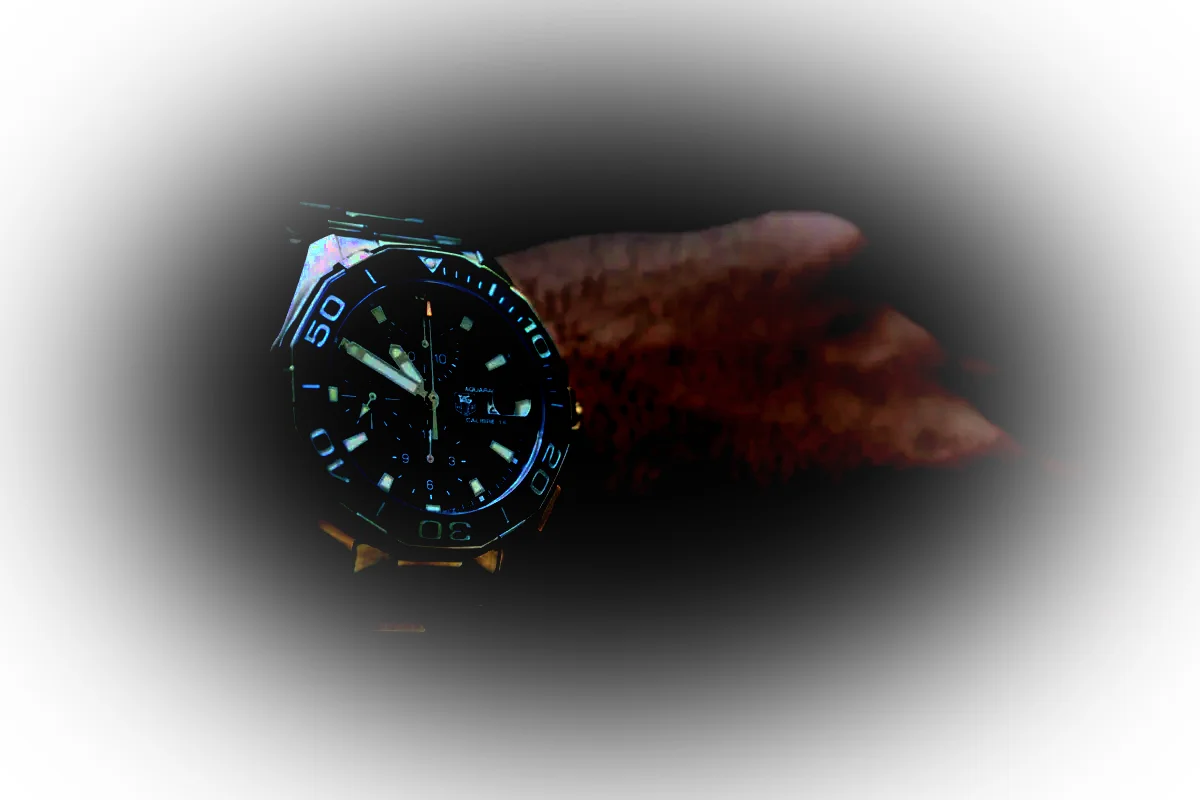
Omega's doing 38mm Speedmasters now. Cartier's leaning into its classic 35-36mm Tank proportions and cleaning up. Even TAG Heuer, who spent the 2000s making Aquaracers you could use as a shield, has quietly started talking about 39mm as its sweet spot.
This isn't just heritage pieces for collectors, either. This is the mainline, the bread and butter, the stuff normal people with normal wrists are actually buying. The industry's read the room, finally, and the room was saying: watches that don't fit under a shirt cuff have had their moment.
How Did We Get Here?
The oversized watch thing made sense for about five minutes in the early 2000s. Panerai came roaring back with its 44mm cushion cases, all that military history, the cult following. Fair enough, those are distinctive watches with actual heritage to back up the size. The Italian navy needed big watches for legibility. Everyday buyers? Less so, arguably.
But then everyone jumped on it. Suddenly every dive watch was 44mm minimum. Pilot watches were pushing 46mm. A 46mm IWC Big Pilot, by most accounts, was absurd theatre but also sort of impressive, the watch equivalent of ordering the largest steak on the menu. You don't necessarily want one yourself, but you can admire the audacity.
The problem was it became the default. Mid-size got redefined. A 40mm watch was "conservative" or "dressy" rather than, you know, normal. The entire industry seemed to convince itself that bigger was always better, that wrist presence was the primary virtue, that if someone across a car park couldn't clock you were wearing a watch, something had gone wrong.
The Shift Started Quietly
Nobody announced this. There wasn't a memo. But somewhere around 2018-2019, the vintage market visibly turned towards smaller watches. Not just Rolex Oyster Perpetuals in 34mm, though certainly those too, but 36mm Datejusts, 38mm Omegas, even 35mm Cartiers that five years earlier would likely have been dismissed by the crowd with strong opinions about watch sizes on the internet.
And it wasn't confined to serious collectors. Casual buyers, by most accounts, started picking these up too, wearing them without the defensive captions about "vintage proportions" or "wears bigger than you'd think" that used to accompany anything under 38mm. Just appropriately-sized watches, worn plainly, the way they were in 1965 before things got out of hand.
Why Smaller Works Better (Usually)
Here's an opinion that will annoy some people: for most wrists, most of the time, something between 36-40mm simply works better. It fits under cuffs. It doesn't dominate the wrist. It doesn't make a statement it doesn't need to make. It's a watch, doing watch things, at watch scale.
Owners of smaller vintage pieces, a 1960s Omega Seamaster De Ville at 34mm being a common example, frequently report that legibility and proportion matter more than raw case diameter. A well-designed smaller dial, especially with something like a pie-pan configuration, is often easier to read at a glance than a larger one that gets lost against the wrist.
There's also the matter of how these watches photograph. A 36-38mm watch on an average wrist tends to look more balanced and intentional than something oversized, which can look like it belongs to someone else entirely.
Comfort is part of the case too. A 38mm watch on a well-designed bracelet or strap generally sits closer to the wrist and moves with it more naturally, according to widely repeated owner feedback. Larger watches, by contrast, are more commonly reported to catch on cuffs and sit awkwardly during long days, particularly in hot weather when a heavier case becomes more noticeable.
The Exceptions That Prove The Rule
None of this means every watch should be 38mm. Some genuinely need the size. Proper dive watches, the ISO-certified kind meant for actual underwater use, benefit from larger cases for legibility and bezel manipulation. Pilot watches with slide-rule bezels need the real estate for all that functionality. And wrist size obviously plays a part in what looks right on any given person.
The Panerai Luminor still looks right at 44mm, because that's the design. Shrinking it to 38mm would undercut the entire point of the watch. The IWC Big Pilot is much the same: it's meant to be oversized. The name says as much.
But these are specific cases with specific justifications. They're not the default, and they shouldn't be the baseline against which everything else gets measured.
What Changed People's Minds?
Part of it is simply fashion cycling back, the way it always does. Lapels go slim, then wide, then slim again. Jeans go skinny, then loose, then skinny again. Watches seem to follow the same pattern. Big had its moment. Now smaller is having its moment. Give it a decade and the pendulum may swing back.
But there's likely more to it than trend cycles. There appears to have been a broader fatigue with watches as obvious status signalling. Wearing a 36mm watch now reads, if anything, as more confident: it suggests you're not chasing anyone's idea of what a "man's watch" should be, just wearing what actually works.
The pandemic likely played a part too. Two years of loungewear and video calls seem to have dented a lot of the performative menswear rules around power dressing and dress codes. That shift plausibly extended to watches, prompting a rethink of why anyone was wearing something heavy and oversized when a smaller case would be more comfortable and, by most accounts, look better besides.
Younger buyers entering the market also appear less burdened by the old hangups around size and masculinity. A common first purchase now, going by what retailers and forums report, is something like a 36mm Oyster Perpetual in a bright colourway, chosen simply because it suits the wrist rather than because it clears some imagined size threshold.
Where We Go From Here
This shift looks sticky. A return to peak-2010s sizing seems unlikely any time soon. Brands have seen the sales figures and the secondary market, and smaller clearly works.
What's worth hoping for, and what we're starting to see, is simply more variety: proper size ranges rather than a single default. The Oyster Perpetual now comes in sizes from 28mm to 41mm. That's how it should be done, letting people choose based on their actual wrists rather than what a marketing department decided was "masculine" back in 2008.
More brands doing what Tudor has done with the Black Bay Fifty-Eight, taking a core design and simply making it properly proportioned rather than dressing the smaller size up as "heritage" or "retro", would be a welcome direction.
It's also worth retiring the idea that size equates to toughness or masculinity, the insecurity that arguably drove the big-watch boom in the first place. A 36mm Datejust is as much of a watch as a 44mm Panerai. Arguably more so, given how much more versatile it is across different cuffs and occasions.
The small watch revival isn't just a trend. It looks like a correction, the market remembering that watches are meant to be worn comfortably, not endured for the sake of presence. After twenty years of supersizing, that reads as progress.
Written by
RevieWatches Editorial Team
RevieWatches is an independent, informational watch site. We research specifications, track pricing across retail and grey markets, and summarise what published...
More in Editor's Choice
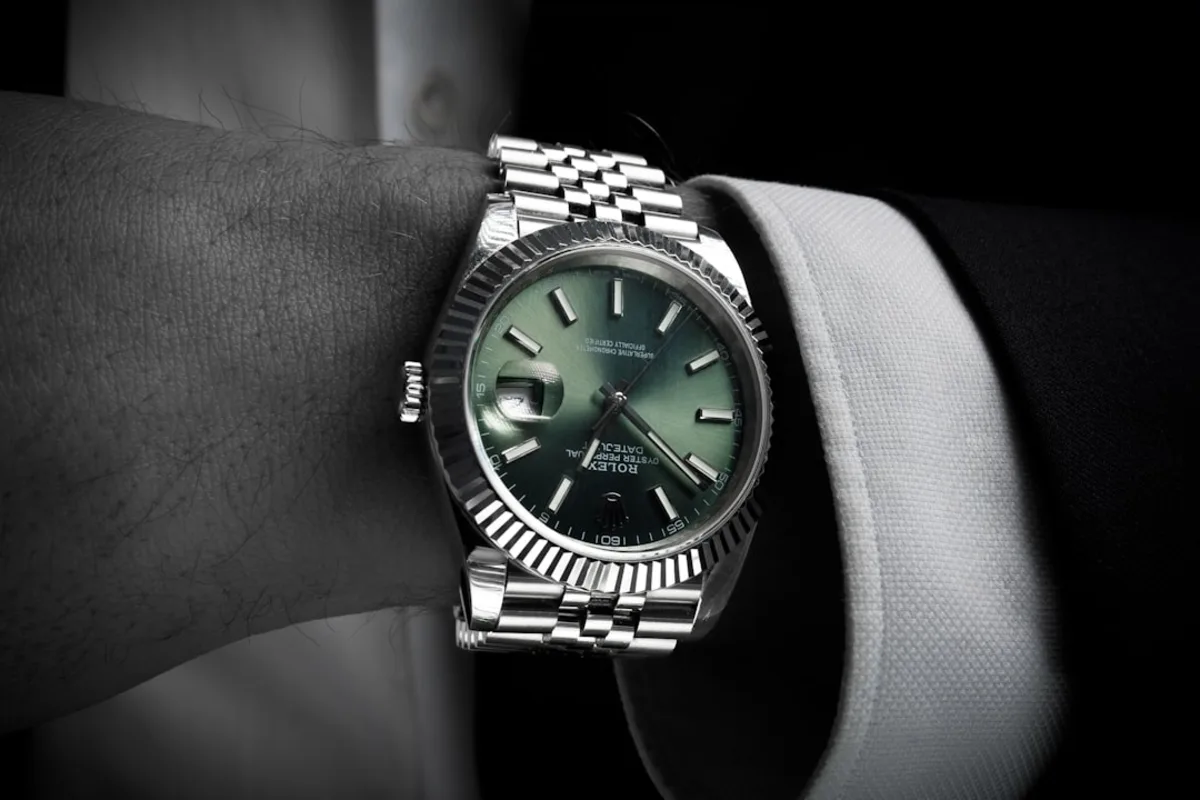
How to Clean a Watch and Bracelet Without Damaging It
A watch worn every day collects sweat, skin and grime, especially in a steel bracelet. Cleaning it takes minutes if you use the right method, and a few mistakes can cause real damage.
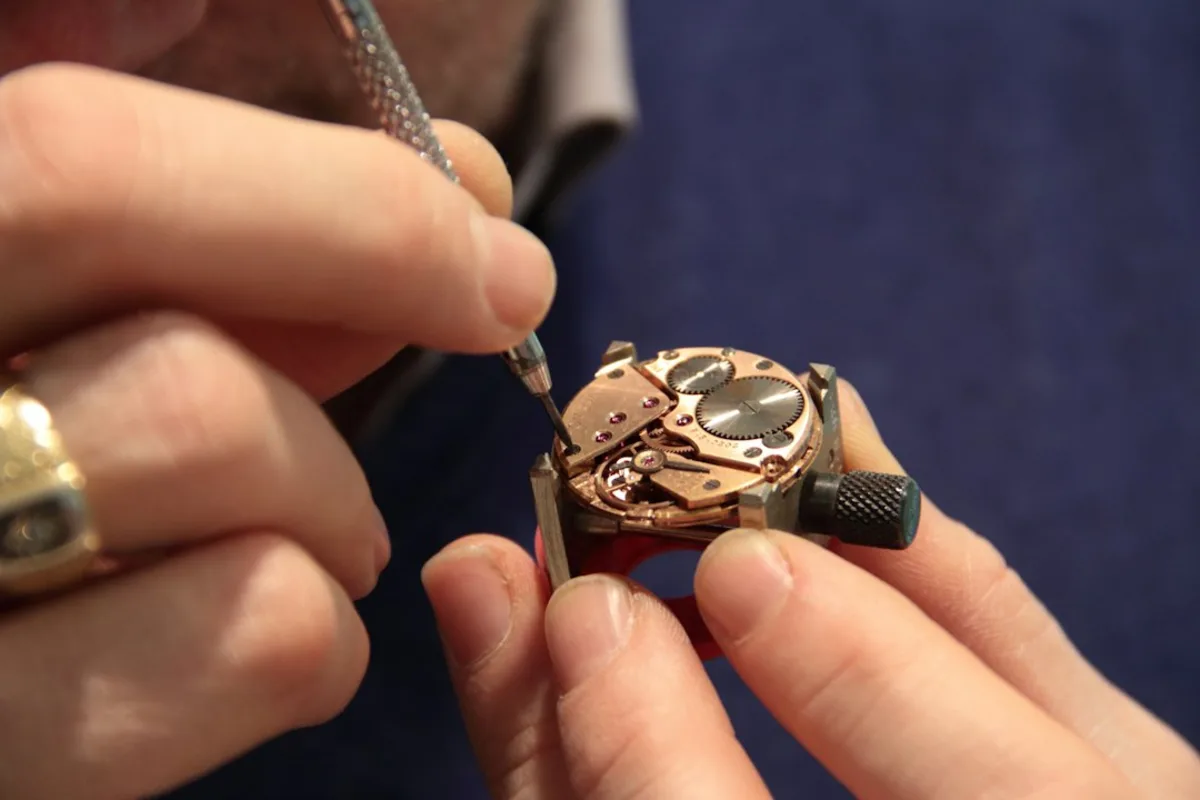
How to Wind and Set a Mechanical Watch Correctly
Winding and setting a mechanical watch takes seconds, but a few common mistakes can cause damage. Here is the correct way to do it, step by step.
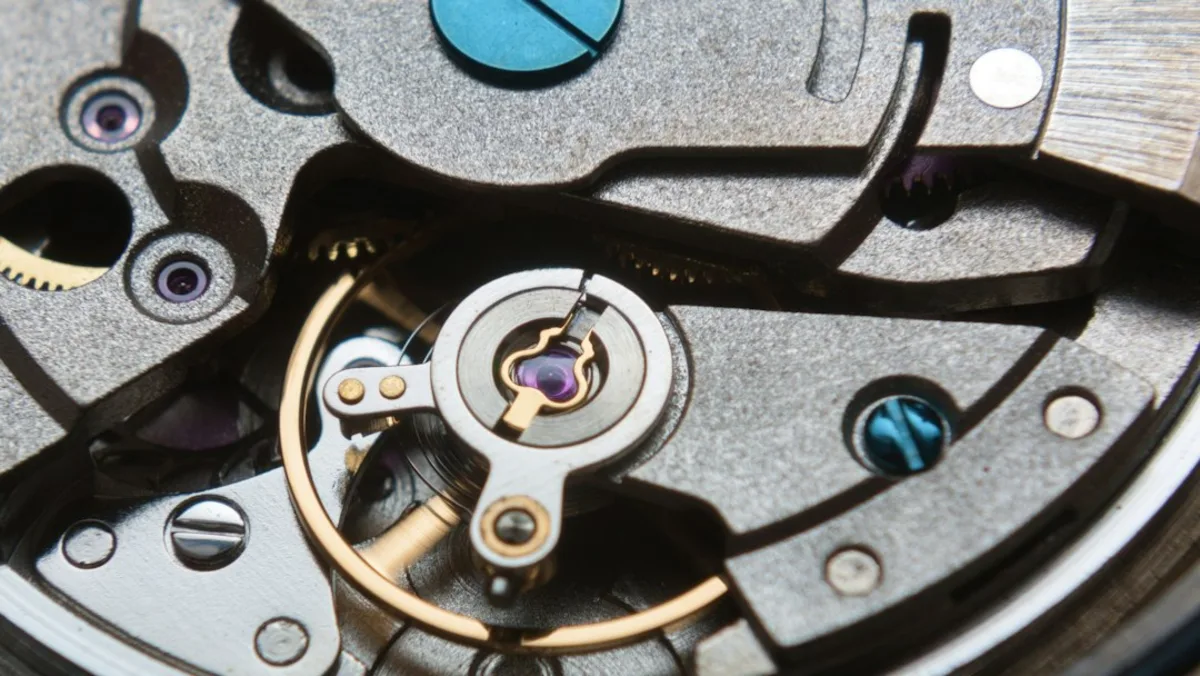
Automatic vs Manual Watch: Which Movement Suits You?
Both are mechanical, both use a mainspring, and both need no battery. The difference is how the mainspring gets wound, and that small detail changes how the watch fits into your life.