Is a Luxury Watch Worth the Investment? A Realistic Look
We cut through the hype to answer the question: can a luxury watch actually be a good investment? Spoiler: sometimes yes, often no, and here's why.
About this article: this is an informational article based on public sources: manufacturer specifications, published hands-on reviews by other outlets, owner feedback and current prices. We have not tested the watch ourselves, we are watch enthusiasts rather than professional journalists, and nothing here is buying advice. No brand paid for it. Our method
📑 Table of Contents
This is one of the most common questions in watch discourse, usually prompted by some headline about a Rolex flipping for triple retail. So let's be honest from the jump: yes, luxury watch investment can pay off. But it's nowhere near as simple as the hype merchants would have you believe.
The truth is messier. Some watches appreciate beautifully. Others tank. Most just sit there, worth roughly what was paid once you factor in servicing costs and inflation. And that's before we talk about the emotional side, which is the bit everyone ignores when they're busy calculating theoretical returns.
The Hard Reality of Watch Investment
First, let's get the uncomfortable bits out of the way. The watch market isn't the stock market. There's no regulated exchange, no guaranteed liquidity, and the barrier to entry (knowledge, not capital) is absurdly high. Stories abound of buyers dropping £15,000 on a watch they thought was a sure thing, only to discover six months later that the secondary market had moved on and they'd be lucky to get £11,000 back.
The post-2022 correction was brutal. References that were trading at two or three times retail in 2021 came crashing down. The Rolex Submariner Date in steel? It went from £18,000+ on the grey market to closer to £11,000. Still above retail, sure, but that's cold comfort for anyone who bought at the peak thinking they were getting in on the action.
And yet. Despite all that, certain watches have proven themselves over decades. Not months, not years. Decades. These are the ones worth talking about.
What Actually Appreciates (And Why)
Three factors matter above everything else: brand equity, scarcity, and cultural relevance.
Brand equity means Rolex, Patek Philippe, Audemars Piguet. That's not snobbery, that's just market reality. A £10,000 Grand Seiko might be a better watch than a £10,000 Rolex on every technical measure, but the Rolex will hold value better because more people want it. Fair? No. True? Absolutely.
Scarcity is trickier than it sounds. It's not just about limited production. It's about the gap between how many people want the watch and how many exist. The Rolex Daytona has been in continuous production for decades, but getting one from an authorised dealer is famously difficult. That gap creates value. Meanwhile, plenty of genuinely limited watches sit unsold because nobody actually wants them.
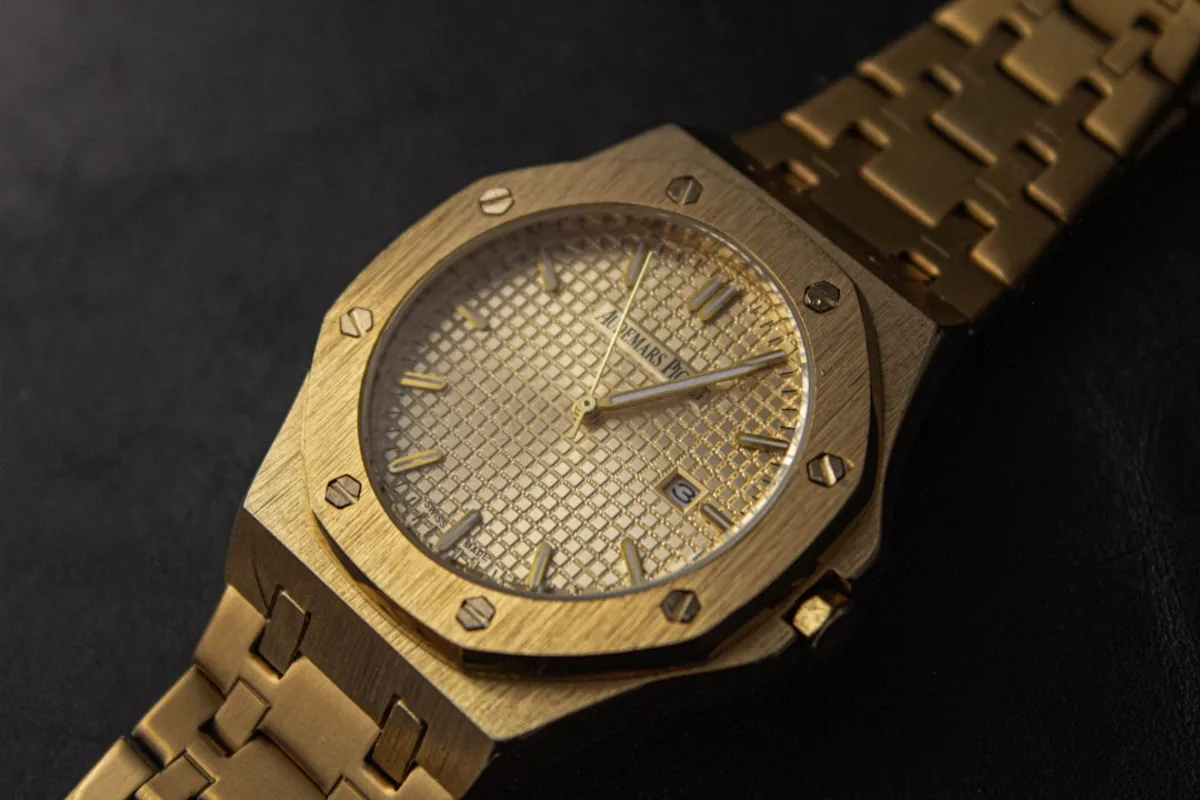
Cultural relevance is the secret sauce. The Patek Nautilus wasn't always worth six figures. It became that way because collectors decided it was important. Same with the AP Royal Oak. These watches tell a story that people want to be part of. That story has value.
The Inflation Hedge Argument
Here's where it gets interesting. Steel sports watches from top-tier brands have genuinely outpaced inflation over the long term. Take a Submariner bought in 1987 for around £900: that watch is commonly reported to be worth £8,000 to £9,000 today in good condition. Inflation alone would put it at maybe £2,500. So it worked as an inflation hedge and then some, on the figures widely cited for this reference and era.
But notice the phrase "long term". You can't flip these things annually and expect consistent returns. The pattern that shows up again and again is buying a great watch, holding it for 10 or 20 years, and only then finding it's worth multiples of the original price. That's a very different proposition from treating it like a trading commodity.
Plus, there's opportunity cost to consider. That £900 in 1987, if invested in an index fund, would likely be worth considerably more than £9,000 today. So even the success stories aren't slam dunks once you do the full accounting.
What to Actually Buy (If You're Going This Route)
Let's say you're convinced a watch might appreciate, but you also want something worth wearing. Here's what stands out, across different price points.
The Rolex Submariner or GMT-Master II
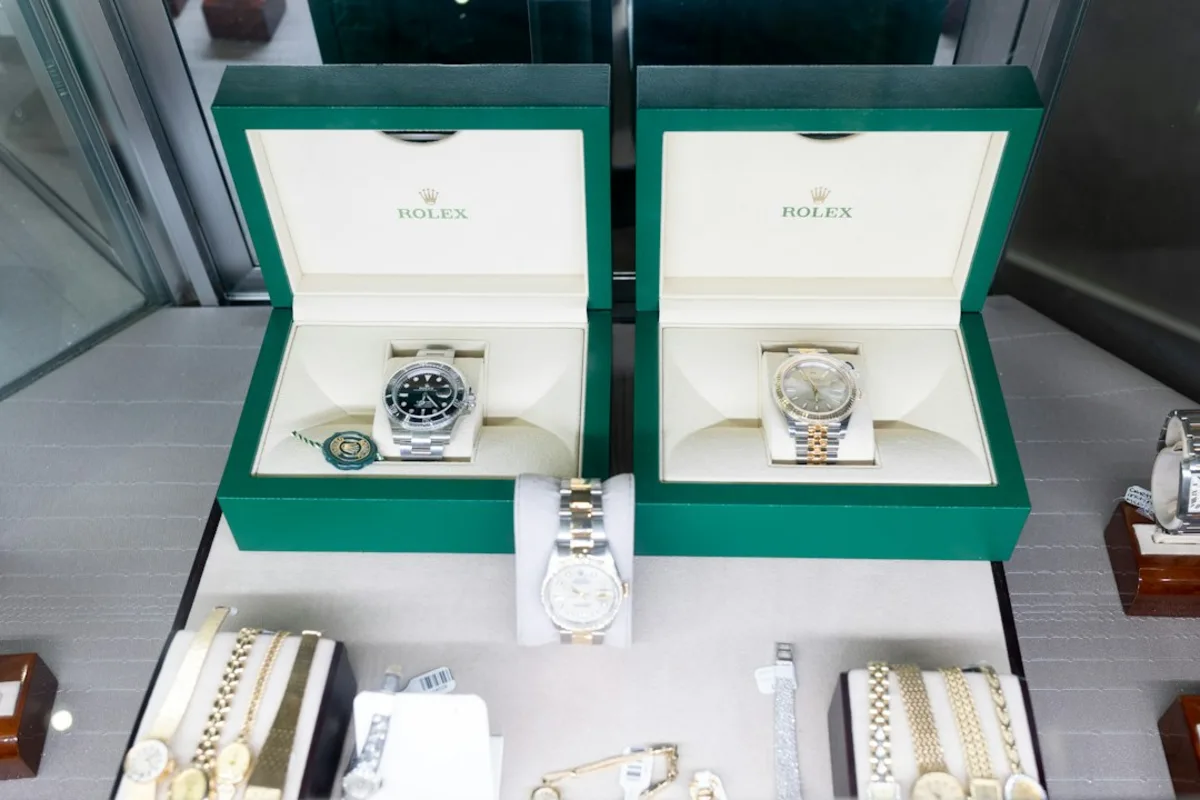
The boring answer is often the right answer. A stainless steel Submariner Date or GMT-Master II in current production, bought from an authorised dealer at retail, is about as close to a sure thing as this game offers. Waiting lists run for years, but the reward is an asset that has appreciated consistently for 50+ years. It's liquid (everyone wants one), it's wearable, and it's culturally bulletproof.
Retail is around £8,000 to £9,000 depending on the reference. Grey market is closer to £11,000 to £13,000. Getting one at retail is the ideal outcome. Paying grey market prices today is a bet that appreciation continues, and that's not a bet worth staking a mortgage on.
The Patek Philippe Aquanaut
For anyone who can stomach the entry price (north of £30,000 on the secondary market for a steel 5167A), the Aquanaut is one of the few modern Patek references that might still have room to run. It's younger than the Nautilus, which means it hasn't hit peak saturation yet. It's also more wearable than a Nautilus for most people, since the rubber strap means less babying.
The catch is buying at already-inflated prices. Retail is around £20,000, but availability at that price is scarce, so buyers are often paying a 50% premium out of the gate and hoping it goes higher. That's speculation, not investment. Know the difference.
The Audemars Piguet Royal Oak (37mm or 41mm)
The Royal Oak in steel is the other member of the holy trinity of steel sports watches. The 15500ST (41mm) or 15450ST (37mm) are the current references to watch. Retail is around £23,000 to £25,000. Secondary market is £40,000 to £60,000 depending on dial colour and condition.
Again, a massive premium. But the Royal Oak has earned its place. It's over 50 years old, it's an icon, and AP isn't flooding the market. For anyone who believes the long-term story of luxury sports watches, this is one of the pillars.
The Omega Speedmaster Professional
Now we're talking about something more accessible. The Speedmaster Pro (the Moonwatch) retails for around £5,500 to £6,000. It doesn't flip for huge premiums, but it holds value exceptionally well. Owners commonly report selling after years of wear for close to what they paid, which is not appreciation, but it's not depreciation either, and there's a genuinely great watch on the wrist in the meantime.
For anyone whose goal is to enjoy a great watch without losing money, the Speedy is hard to beat. It's also genuinely under-hyped relative to its historical importance. The only watch worn on the moon, in continuous production since the 1950s, and it can actually be bought without begging a dealer. Radical concept.
Vintage Rolex (If You Know What You're Doing)
Vintage is where the really interesting money has been made, but it's also where the amateurs get absolutely murdered. A birth-year Datejust in good condition might cost £4,000 to £6,000. A tropical-dial Submariner from the 1960s might be £30,000 or £300,000 depending on reference, condition, and originality.
The problem is knowledge. Buyers need to know what they're looking at. Frankenwatches (watches with non-original parts) are everywhere. Service dials, wrong hands, replaced bezels. Without the expertise to tell the difference, it's easy to overpay for a watch that serious collectors won't touch.
The sensible approach is to avoid vintage as an investment unless you've been collecting for at least five years and have handled dozens of examples. Even then, buying from reputable dealers and getting everything in writing is essential. The margins for error are tiny.
The Risks Nobody Talks About
Maintenance costs are real. A Rolex service runs £600 to £800 every five to ten years. Patek? Double that, easily. Holding a watch for 20 years means multiple services over that period. That eats into returns.
Insurance costs money too. A £40,000 AP needs to be insured properly, which is a few hundred quid a year minimum.
Storage matters. Watches deteriorate if not stored correctly. Humidity, temperature swings, magnetic fields all take a toll. A Nautilus left in a drawer for ten years won't come out pristine.
And liquidity is overrated. Yes, a Submariner can sell quickly. But getting top dollar requires patience, the right buyer, and often a dealer who'll take a cut. Factor in 10% to 20% in transaction costs when selling. Suddenly those returns look thinner.
The Emotional Angle (The Bit That Matters Most)
A pattern shows up again and again among long-term collectors: the watches people regret selling aren't the ones that appreciated most. They're the ones they loved wearing.
Take the Explorer II (the old 16570), a reference collectors often bought for around £3,200 and later sold for £5,800. A good return on paper, and yet it's a common story that the seller ends up thinking about that watch for years afterwards, precisely because the size, legibility and bracelet suited them so well. Selling it while the market was hot, purely to take profit, is a decision many later regret.
Compare that to the way owners describe their Speedmasters: watches worth essentially what they paid, that they have no intention of ever selling, because the watch has become a companion through job changes, relationships, and travel rather than a line item. It's not an investment in that case, it's a fixture. And that's worth more than any percentage return.
So the actual advice is this: buy a luxury watch because you love it. Buy one that fits your wrist, your lifestyle, your aesthetic. Buy one you'll want to wear in ten years, twenty years. If it appreciates, fantastic. If it doesn't, there's still something beautiful that brought genuine enjoyment.
That's the only investment thesis that actually makes sense.
The Bottom Line (For Real This Time)
Can a luxury watch be a good investment? Yes, if the right watch is bought at the right price, from the right place, and held for the right amount of time. Which is another way of saying: maybe.
The watches that have proven themselves, Rolex sports models, Patek Nautilus and Aquanaut, AP Royal Oak, are expensive and hard to acquire at retail. Buying them on the secondary market means paying inflated prices and gambling on continued appreciation.
For most people, the smarter play is this: buy a watch you genuinely love from a brand with strong resale value. Wear it, enjoy it, maintain it properly. In 20 years, it'll probably be worth what was paid, maybe more. That's not a spectacular return, but it's also not a total loss, and it comes with two decades of enjoyment.
For guaranteed returns, buy index funds. For a tangible asset that might appreciate while giving daily pleasure, buy a great watch. Just don't confuse the two.
And for the love of all that's holy, keep the box and papers.
Written by
RevieWatches Editorial Team
RevieWatches is an independent, informational watch site. We research specifications, track pricing across retail and grey markets, and summarise what published...
More in Luxury
How to Buy a Rolex at Retail: Waiting Lists Explained
Buying a Rolex at list price isn't impossible, it's just slow, political, and nothing like buying any other watch. Here's how the waiting list game actually works.
Farer Watches: British Design, Swiss Movements, Bold Colour
Farer is an independent British brand making colourful, Swiss-made watches sold direct. We looked at its movements, sizes, prices, guarantee and returns.
AIS Watches: Is This Pre-Owned Luxury Dealer Legit?
AIS Watches is an Atlanta dealer in pre-owned and new luxury watches with a strong review record. Its payment and return terms put more risk on the buyer than big platforms, so here is how to buy safely.