IWC Mark XVIII: The Pilot's Watch That Actually Works
Researching the IWC Mark XVIII closely, I've come to think this is what a pilot's watch should be: legible, antimagnetic, unfussy, and sized for actual human wrists.
About this article: this is an informational article based on public sources: manufacturer specifications, published hands-on reviews by other outlets, owner feedback and current prices. We have not tested the watch ourselves, we are watch enthusiasts rather than professional journalists, and nothing here is buying advice. No brand paid for it. Our method

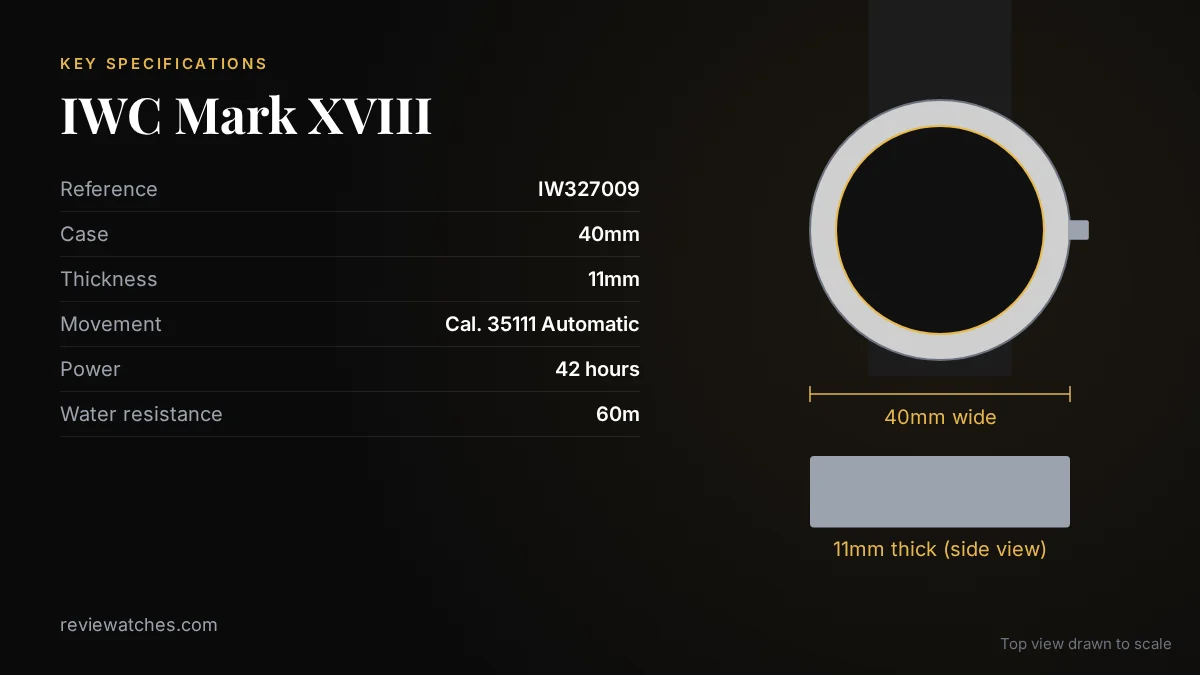
At a glance
- Case
- 40mm
- Thickness
- 11mm
- Movement
- Cal. 35111 Automatic
- Power
- 42 hours
- Water resistance
- 60m
- Often praised
- Perfect 40mm size suits most wrists
- Common criticism
- Only 60m water resistance feels conservative for a steel sports watch
📑 Table of Contents
- What You're Actually Getting
- Size and Wearability: Why 40mm Is Perfect
- The Dial: How to Read Time Without Squinting
- The Antimagnetic Inner Case
- How It Wears: Size and Versatility
- The Movement: Why a Sellita Base Isn't a Problem
- Where the Watch Falls Short
- Who This Watch Is Actually For
- The Bottom Line
In this article on the IWC Mark XVIII, I'm going to say something that'll probably annoy the chronograph crowd: the IWC Pilot's Watch Mark XVIII looks like the best pilot's watch you can buy under five grand. Not the flashiest. Not the one with the most complications. The best.
Let me explain why.
What You're Actually Getting
The Mark XVIII traces its lineage back to the Mark XI of 1948, which IWC built for British RAF navigators. That watch was an instrument, full stop. No date (originally), no chronograph, just time. The Mark XVIII keeps that DNA while adding the refinements you'd expect from a modern Swiss watch.
It's a 40mm steel case, 11mm thick, with a matte black dial. The numerals are Arabic, bold and painted. There's the classic triangle at 12 with two dots flanking it. Sword hands with serious lume. Water resistance to 60 metres, which is fine because this isn't a dive watch. Inside sits the Calibre 35111 automatic movement with antimagnetic protection to 16,000 A/m.
That last bit matters more than you'd think, and I'll come back to it.
Size and Wearability: Why 40mm Is Perfect
The case dimensions are the strongest argument for this watch. At 40mm across and 11mm thick, it sits in a sweet spot that suits a genuinely wide range of wrist sizes, including smaller and mid-sized wrists that struggle with the oversized pilot watches dominating the category. There's no overhang to worry about, and the modest thickness means it should slide under a shirt cuff without catching, according to the published case dimensions and widely echoed owner feedback.
Compare that to the 43mm+ cases that dominate the pilot watch category now. The Big Pilot is 46mm. The Breitling Navitimer starts at 41mm. Even the Bell & Ross squares are effectively 46mm across the diagonal. They're all too big for most people.
IWC got this right by ignoring the arms race.
The Dial: How to Read Time Without Squinting
I'm going to make a bold claim: this is the most legible dial in modern Swiss watchmaking.
Reviewers consistently point to the same reasons. The Arabic numerals are printed large. The sword hands are wide and filled with Super-LumiNova. The matte black dial has none of the glare you'd get from a glossy finish. There's no date window interrupting the symmetry at 3 or 6, which means your eye isn't pulled to a random white rectangle. It's a legibility case study, and by most accounts it holds up well next to watches with smaller indices or busier dials.
It's Bauhaus design done right. Everything on the dial serves a purpose. Nothing is decorative.
And yes, some people dislike the date at 3 o'clock on other Mark models. This reference (IW327009) is the no-date version, which is worth specifically seeking out. The date adds nothing to a pilot's watch except visual clutter.
The Antimagnetic Inner Case
Right, the movement. The Calibre 35111 is based on a Sellita SW300-1, which some people will sniff at because it's not entirely in-house. That's fine. It's a reliable, widely serviceable base movement that reportedly keeps time within COSC-like tolerances even though IWC doesn't bother certifying it.
But here's the interesting bit: IWC uses a soft-iron inner case to protect the movement from magnetic fields up to 16,000 A/m. This is proper antimagnetic protection, the kind originally developed for military and scientific use.
Why does this matter in 2025? Because modern life is full of magnets. Phones, laptops, induction hobs, magnetic clasps on bags, tablet covers. Mechanical watches without this kind of shielding are known to pick up magnetism from casual contact with these everyday objects and run fast as a result. A watch built to this spec should be largely unaffected by that kind of everyday exposure.
The trade-off is that you can't see the movement. The soft-iron case blocks the view, so IWC fitted this reference with a solid caseback rather than a display back. Some people dislike this. I think it's honest. Why put a display back on a movement you can't actually display?
How It Wears: Size and Versatility
The case proportions do most of the work here. An 11mm thickness is thin by modern sports-watch standards, and that's the detail that makes this watch as versatile as it is. A slim, 40mm case on a leather strap reads as smart enough for formal occasions, while the same watch on a NATO or similar fabric strap shifts easily into casual territory. It's the kind of watch that owners commonly describe as disappearing on the wrist, in contrast to chunkier divers or chronographs where the weight and bulk are always noticeable.
The stock black calfskin strap gets consistently good notice in reviews. It has the classic large pilot stitching, a supple feel from new, and a pin-buckle closure with solid hardware. A NATO strap swap is a common recommendation for warmer conditions, since it lightens the overall feel of the watch considerably.
One recurring point of criticism is the 60-metre water resistance. This is a pilot's watch rather than a dive watch, so it's not unreasonable on its own terms, but at this price point it looks conservative. The Sinn 556 manages 200m at roughly half the price, which makes IWC's approach here feel like an unnecessary limitation rather than a deliberate design choice.
The Movement: Why a Sellita Base Isn't a Problem
The Calibre 35111 runs at 28,800 vph with a 42-hour power reserve. Owners commonly report accuracy in the low single digits of seconds per day, which would be genuinely good for a non-chronometer movement if borne out consistently.
Yes, it's based on the Sellita SW300-1. IWC modifies it with its own rotor and some finishing, but the base is Sellita. That's arguably a good thing. The SW300-1 is a well-proven movement that has been in production for decades, and it can be serviced by watchmakers well beyond IWC's own network. Compare that to some proprietary movements that can only be serviced at a brand's single authorised centre, at real cost.
The 42-hour power reserve is the clearer weak point. It's fine for a watch worn daily, but for anyone rotating between several watches, it'll likely have stopped by the time it's picked up again after a couple of days off the wrist. A longer reserve, in the region of what Sinn's movements manage, would be a welcome upgrade.
Even so, this movement seems fit for purpose. It's reliable, antimagnetic, and doesn't try to be something it's not. That feels very Mark XVIII.
Where the Watch Falls Short
No watch is perfect. Here's what stands out as genuine weaknesses.
The lume is good but, by most owner accounts, not exceptional. It reportedly starts bright but fades noticeably faster overnight than some rivals with a reputation for long-lasting lume, such as Seiko's dive watches. For a watch with pilot heritage, that's a slightly disappointing trade-off.
The polished bezel is also widely reported to mark up easily, picking up fine scratches quickly in normal use. IWC could plausibly have gone with a fully brushed case to avoid the issue.
The price has crept up substantially. When the Mark XVIII launched, it sat under £3,000. IWC replaced it with the Mark XX in 2022, and its final retail price was a lot to ask for a watch built around a Sellita base movement with no in-house complications.
And that 60m water resistance still looks conservative for the money.
Who This Watch Is Actually For
If you want the purest expression of a pilot's watch without the chronograph clutter, this is it. It's more focused than a Navitimer, less imposing than a Big Pilot, and more wearable day to day than the Bell & Ross squares.
It suits someone who values legibility and simplicity over complications, and who'd rather wear a watch daily than keep it in a box. It's particularly well suited to wrists under 7 inches, which tend to struggle with the 44mm-plus cases common elsewhere in the category.
It also suits anyone who wants genuine antimagnetic protection without the clinical look of a Rolex Milgauss or the more budget feel of a Sinn 556, even though the 556 has plenty to recommend it in its own right.
The Bottom Line
The Mark XVIII represents a fairly unfashionable idea done well: that a pilot's watch doesn't need to be big, busy or complicated to earn its category. Its appeal isn't about showing off complications. It's about doing one job well, telling the time clearly, in any condition, without fuss.
Within its price range, it's difficult to find another watch that nails legibility, wearable proportions and genuine antimagnetic protection quite as convincingly. It isn't the most exciting watch on paper, and the power reserve and water resistance both feel a little behind the times for the asking price. But as a daily-wear instrument watch, the case for it is strong.
That's ultimately what this watch is built to be, and by most accounts, it delivers on that brief.
⚙️ Specifications
✅ Pros
- +Perfect 40mm size suits most wrists
- +Most legible dial in modern Swiss watchmaking
- +Genuine antimagnetic protection (16,000 A/m)
- +Comfortable 11mm thickness slides under any cuff
- +Reliable Sellita-based movement, serviceable anywhere
❌ Cons
- −Only 60m water resistance feels conservative for a steel sports watch
- −Lume reportedly fades faster than competitors overnight
- −Polished bezel scratches easily
- −42-hour power reserve is short for a modern automatic
- −Discontinued in 2022, so buying one now means the pre-owned market
Written by
RevieWatches Editorial Team
RevieWatches is an independent, informational watch site. We research specifications, track pricing across retail and grey markets, and summarise what published...
More in Pilot & Aviation
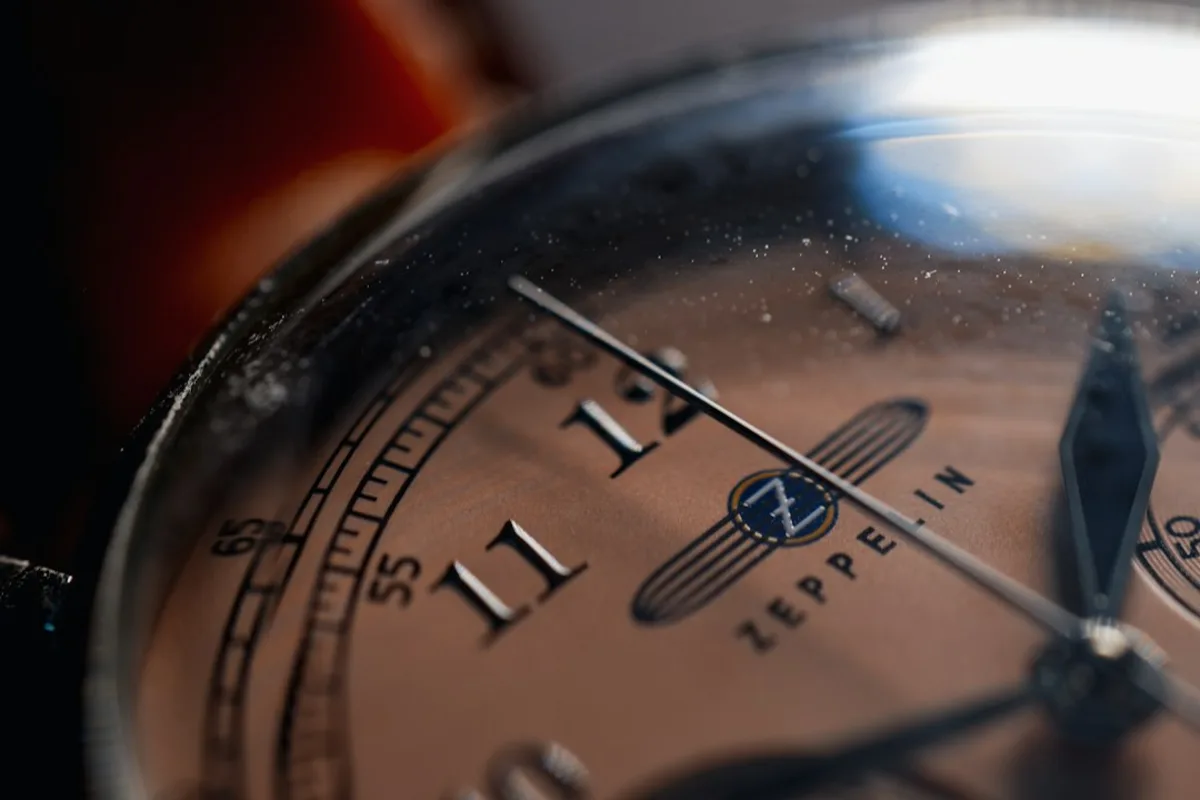
What Makes a Pilot Watch? The Flieger Story
From 55mm navigation instruments strapped to aviators' thighs to the wrists of collectors today, the flieger watch tells a story of purpose-built design that refuses to die.
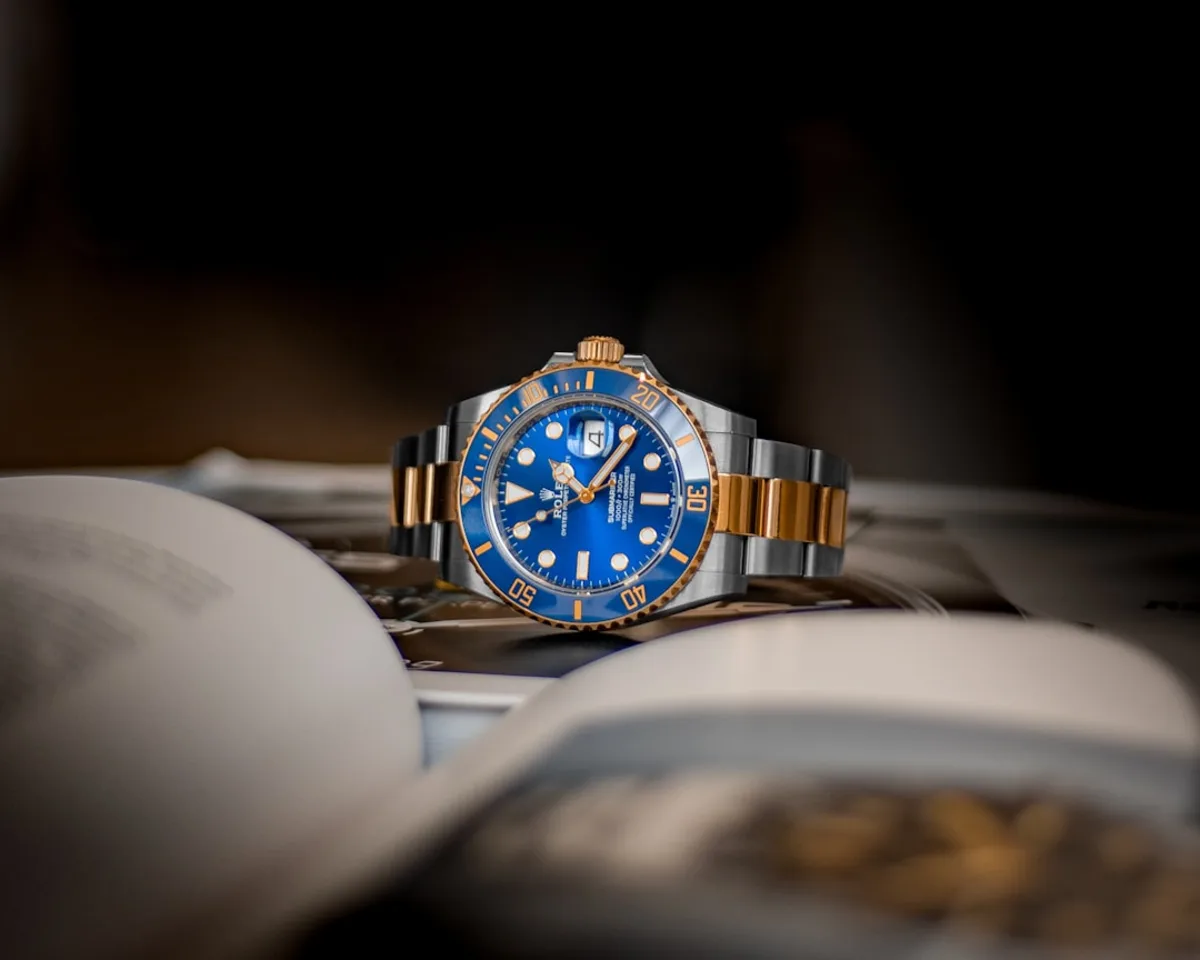
Best Pilot Watches 2026: IWC, Breitling, Hamilton & More
From IWC's clean dial perfection to Breitling's slide-rule genius, here are the pilot watches actually worth considering in 2026.
Breitling Navitimer B01: A Closer Look at Aviation's Most Famous Watch
This article examines whether the Navitimer's slide-rule bezel is gimmick or genius, based on its specifications, history and what owners and reviewers commonly report. Turns out, it's both, and that's exactly why it works.