Jaeger-LeCoultre Reverso Classic: The Elegant Complication You Never Use
The JLC Reverso has been on watch collectors' wish lists for decades. Here's a closer look at what makes this Art Deco flip-case dress watch so compelling, and why owners rarely use the mechanism that made it famous.
About this article: this is an informational article based on public sources: manufacturer specifications, published hands-on reviews by other outlets, owner feedback and current prices. We have not tested the watch ourselves, we are watch enthusiasts rather than professional journalists, and nothing here is buying advice. No brand paid for it. Our method
At a glance
- Thickness
- Slim profile (under 10mm typical for this model)
- Movement
- JLC in-house manual-wind calibre
- Power
- Approximately 40 hours
- Water resistance
- 30m (not for swimming)
- Often praised
- Iconic Art Deco design that's genuinely unique
- Common criticism
- Manual-wind versions need regular winding
📑 Table of Contents
- Size and Wearability
- What Owners Report: The Flip Mechanism in Daily Use
- The Movement: Hand-Wound and Perfectly Adequate
- Design: Art Deco Perfection (If You Like Art Deco)
- Strap Situation: Better Than Expected, Worse Than It Should Be
- How It's Perceived
- Value Proposition: Expensive But Not Insulting
- The Annoying Bits (Because Nothing's Perfect)
- Who This Watch Is For
- Final Thoughts
This article on the Jaeger-LeCoultre Reverso Classic starts where most encounters with the watch do: it has a habit of turning casual observers into obsessives. Someone sees the case flip over for the first time, sees the plain metal back tuck neatly against the wrist, and something clicks. It's one of the few genuinely mechanical party tricks left in watchmaking, and it's been performing it since 1931.
The Jaeger-LeCoultre Reverso Classic (or Reverso Classique, depending on the market and which authorised dealer is doing the talking, JLC has never quite settled on one name globally) is the dress watch that makes other dress watches look a bit... round. Too easy. The Reverso doesn't apologise for being a rectangle. It was designed for British polo officers in India who kept smashing their watch crystals during matches. The solution was to make the whole case swivel 180 degrees so the dial tucks against the wrist and a solid metal back faces outward. Completely bonkers. Completely brilliant.
Size and Wearability
The Medium variant (there's a Small and a Large, JLC has always liked giving buyers options) is reported by owners to wear smaller than its dimensions suggest on paper. That makes sense given the case shape: because it's a rectangle rather than a circle, it hugs the wrist along its length in a way round watches generally can't, sitting between the wrist bone and the base of the hand without much overhang for most wrist sizes.
What stands out on paper is the thinness. This isn't a chunky statement piece. The case dimensions suggest it should slip easily under a dress shirt cuff, which tracks with its original purpose. The Art Deco lines are crisp enough in photographs to look almost computer-rendered, with every edge clearly defined. The guilloche dial is widely reported to catch light in a way that shifts noticeably depending on the angle of the wrist.
The flip mechanism is the party trick, and it's mechanically straightforward: press the tabs at the top and bottom, slide the case sideways to unlock it, rotate 180 degrees, slide it back. According to owners, it becomes quick and confident with repetition, though most describe handling it very carefully at first, understandably, given the price of the watch and the fear of scratching the case or misaligning the mechanism.
What Owners Report: The Flip Mechanism in Daily Use
A common observation among Reverso owners is that the flip mechanism gets used far less than expected once the novelty settles. Most describe wearing it dial-side-up the vast majority of the time, simply because that's what a watch is for, telling the time.
But the consensus is that the option to flip it changes the relationship with the watch even when it isn't used. It's often compared to owning a convertible that rarely has its roof down, the possibility matters more than the frequency. The caseback can be left plain or engraved, and this personalisation choice, blank versus engraved, is something many owners deliberate over rather than resolve quickly.
The flip mechanism's original purpose, protecting the crystal during sport, is rarely tested in modern use. It's a watch designed for polo, a sport most owners will never play, in a colonial context that no longer exists. But the engineering still has practical relevance for anyone wearing it in situations where they'd rather not remove the watch entirely.
The Movement: Hand-Wound and Perfectly Adequate
The Reverso Classic runs on a JLC in-house calibre, manually wound, and finished to a good standard, although the solid caseback of the standard Classic keeps it out of sight. Manual movements of this type typically need daily winding, with a power reserve in this watch reported at around 40 hours, meaning it will stop if left unworn for more than a day or two. This is a point of contention for some buyers and a non-issue for others.
Daily winding is often described by owners as a small ritual rather than a chore, a brief moment of engagement before the day gets going. It also has a practical upside: because the watch is wound and checked daily, it rarely drifts unnoticed the way an automatic left in a drawer might.
The movement itself is deliberately unambitious. No chronograph, no perpetual calendar, just the time and small seconds. For a dress watch built around a single elegant idea, that restraint is arguably the correct choice. Complications on a Reverso would sit oddly with its Art Deco purity.
Accuracy figures for manual JLC movements of this type are generally reported by owners and reviewers to sit within a few seconds a day, in line with what's expected of a well-regulated mechanical movement, though individual results vary and the watch isn't COSC-certified.
Design: Art Deco Perfection (If You Like Art Deco)
This is a profoundly divisive watch design. Reactions tend to split cleanly between people who find it immediately beautiful and people who find a rectangular watch simply strange. There's not much middle ground. If round watches are the only acceptable shape in your mind, the Reverso is unlikely to change that. There are plenty of round dress watches, like the Patek Calatrava, that will suit that preference better.
For anyone drawn to 1930s design, Art Deco architecture or geometric furniture, the case proportions are often described as close to perfect. The lugs integrate into the case so that the whole thing reads as a single sculpted piece of metal rather than a case with straps attached. The dial follows the same restraint: applied indices, Dauphine hands, and a small seconds subdial at six o'clock, slightly recessed. Nothing extra, nothing missing.
The guilloche pattern on the dial is hand-finished on higher-tier Reversos, and likely machine-applied but well executed on this mid-tier model. Either way, it's designed to add texture without shouting about it, appearing almost flat in low light and coming alive under direct sun, a detail widely noted in photographs of the watch under different lighting.
The case on this model is stainless steel (gold and white gold versions also exist), polished on top and brushed on the sides. Like most polished steel, it's a fingerprint magnet, a known trait of this finish rather than a flaw specific to this watch. It's a case designed to be worn and to pick up the odd mark along the way, not one meant to live permanently in a safe.
Strap Situation: Better Than Expected, Worse Than It Should Be
It comes on a black leather strap with a deployant clasp. Reviewers generally describe the leather as good rather than exceptional, supple enough and reasonably well made without feeling special for the price. The deployant clasp itself is usually rated positively, solid and secure. A recurring complaint, though, is that the strap sizing doesn't suit every wrist and may need adjustment at an authorised dealer.
Many owners choose to replace the original strap with a third-party option, and makers such as Camille Fournet are commonly recommended for this watch. Reports suggest the Reverso's character changes considerably depending on strap choice, with something like a burgundy leather strap giving it noticeably more personality than the standard black option.
A NATO strap would be an odd pairing here, in this reviewer's opinion, working against the formality the case was designed for. It's a case that seems to call for leather rather than fabric.
How It's Perceived
Among the watches in this price range, the Reverso is widely reported to attract attention from people who aren't watch enthusiasts, more so than from those who are. Its shape and proportions tend to catch the eye of people with an interest in design or architecture rather than horology specifically, precisely because it doesn't look like a conventional watch.
The flip mechanism is consistently described as a strong conversation piece, though many owners note they don't volunteer to demonstrate it unprompted, since doing so unasked can come across as showing off. When asked, though, reviewers describe the reaction as reliably positive.
As a dress watch, it's generally considered highly versatile, suited to everything from smart casual to full formalwear. It's the kind of watch that's reported to work at both sombre and celebratory occasions without looking out of place at either. That flexibility, being formal without being stuffy, is one of its most consistently praised traits.
It is not, by any account, a sports watch. It's not designed for the gym or for hiking, and its metal case, like most metal watches, is likely to become uncomfortably warm in direct summer sun. Buyers should be clear-eyed about what the watch is for.
Value Proposition: Expensive But Not Insulting
This is not a cheap watch, and it sits at a price point that demands genuine deliberation. What that money buys is a JLC in-house movement, a case design that has remained essentially unchanged since 1931 because it got the proportions right the first time, and a level of finishing that holds up well against competitors in this bracket.
Whether it's worth it depends entirely on wanting a Reverso specifically. There are other watches, even other cars or holidays, available for the same money. None of them are a Reverso. That's not really a logical argument, and it doesn't need to be. Watch collecting rarely runs on pure logic.
One point worth noting is that the Reverso holds value comparatively well within its category. The vintage market is strong and demand remains consistent, which suggests resale value tends to hold up better than many watches in this range, if not to the extremes seen with certain sports models.
The Annoying Bits (Because Nothing's Perfect)
The lack of a date window is a common frustration among owners, even though its absence preserves the symmetry of the dial. JLC has shown no sign of changing this, and buyers who rely on a date complication daily should factor that in.
The crown is small, and multiple reviewers note that winding it with cold fingers or in cold weather can be genuinely fiddly. A larger crown would likely make winding easier but would also disrupt the clean lines of the case, which is presumably why JLC has left it as is.
The flip mechanism, while well engineered, is reported to require two hands to operate smoothly. Claims of one-handed operation should be treated with some scepticism. This limits its practicality as an actual protective mechanism in the moment, though this was arguably a more pressing concern for 1930s polo players than for anyone wearing the watch today.
Who This Watch Is For
Most people already know whether they're a Reverso person after seeing one. Those drawn to the rectangular case and Art Deco lines tend to feel it immediately, while those who prefer round cases are unlikely to be converted. Alternatives like a Nomos or a Cartier Tank might suit buyers who want a similar era of design without the flip mechanism.
It tends to appeal to people with an interest in older films, architecture and proportion, and to those who already own at least one item, clothing or otherwise, that predates them. It suits buyers who don't need a watch loaded with complications and want something that looks distinct from most of what's currently on the market.
It also suits buyers who'd rather not broadcast what their watch costs. The Reverso isn't instantly recognisable in the way a Rolex or Patek might be to a wider audience. It reads as understated taste rather than obvious spend, which for some buyers is precisely the point.
Final Thoughts
The Reverso is widely regarded, by collectors and reviewers alike, as one of the more durable choices in a collection, the kind of watch bought to be kept rather than traded on. It's frequently described as suited to significant occasions, and as a piece worth passing down given the timelessness of its design.
Whether it's worth recommending comes down to whether someone already wants one. This isn't a watch that makes obvious sense on paper. The flip mechanism is impractical for daily needs, manual winding is an added responsibility, and the shape won't suit every taste. None of that seems to matter much to the people who end up owning one.
Owners consistently describe noticing the dial catch the light and getting genuine satisfaction from the daily winding ritual. That's what a great watch is meant to do. It doesn't just tell the time. It's meant to make the wearer glad to be wearing it.
The Jaeger-LeCoultre Reverso Classic is, by most accounts, the best bad idea in watchmaking. And it's easy to see why it inspires such loyalty.
⚙️ Specifications
✅ Pros
- +Iconic Art Deco design that's genuinely unique
- +Reversible case mechanism is beautifully engineered and still impressive
- +Perfect dress watch proportions, wears smaller than dimensions suggest
- +In-house JLC movement, although the solid caseback keeps it out of sight
- +Strong vintage market and value retention
❌ Cons
- −Manual-wind versions need regular winding
- −Tiny crown difficult to operate with cold fingers
- −Original strap adequate but not exceptional for the price
- −Flip mechanism requires two hands to operate smoothly
- −Polarising rectangular design won't suit everyone
Written by
RevieWatches Editorial Team
RevieWatches is an independent, informational watch site. We research specifications, track pricing across retail and grey markets, and summarise what published...
More in Dress Watches
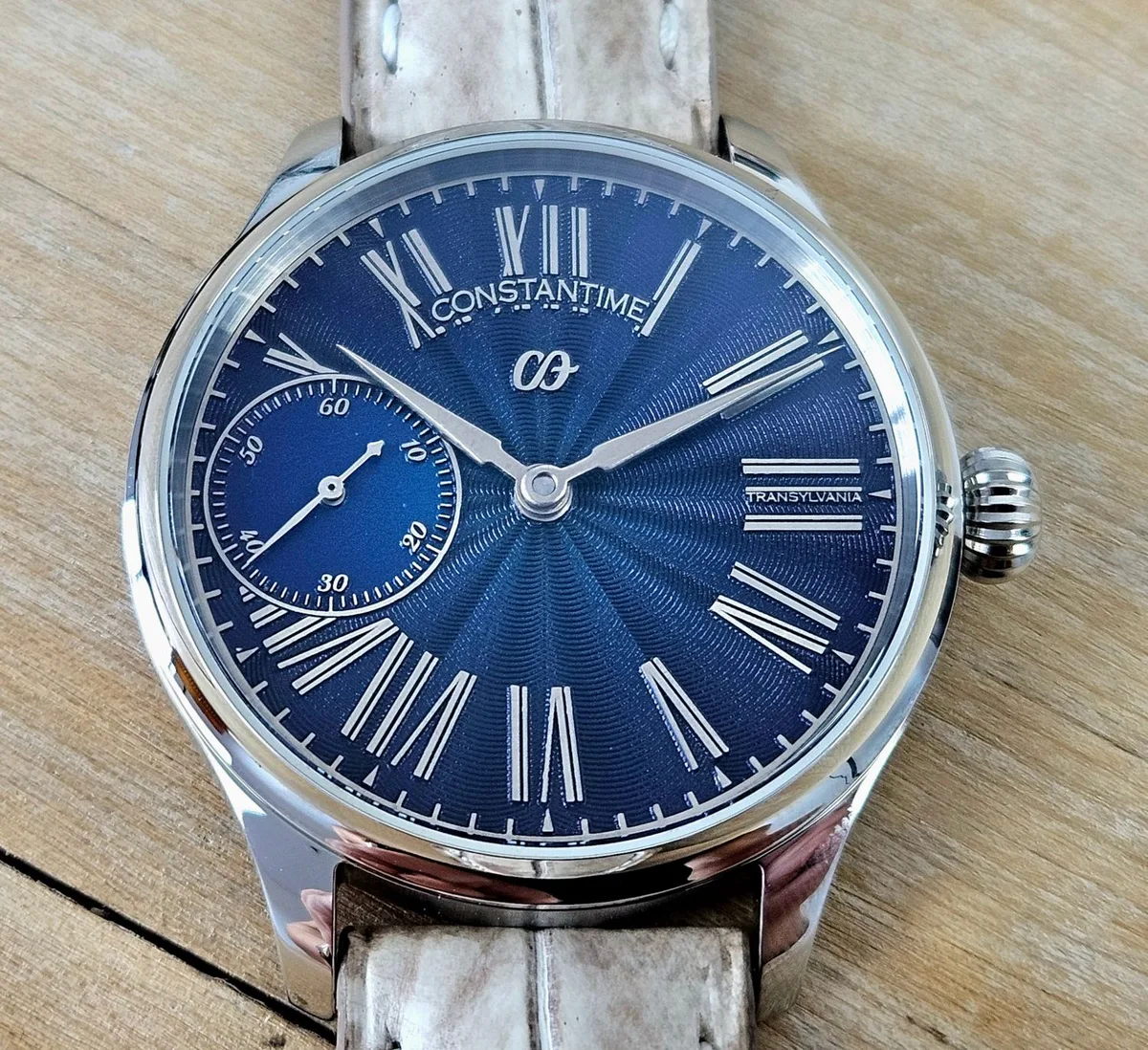
CONSTANTIME Genesis: A 25-Piece Hand-Wound Watch From Transylvania
The CONSTANTIME Genesis is a 41mm hand-wound dress watch with a dial and hands made in a small Transylvanian workshop, limited to 25 pieces. Specs, fit, price and what is made locally.
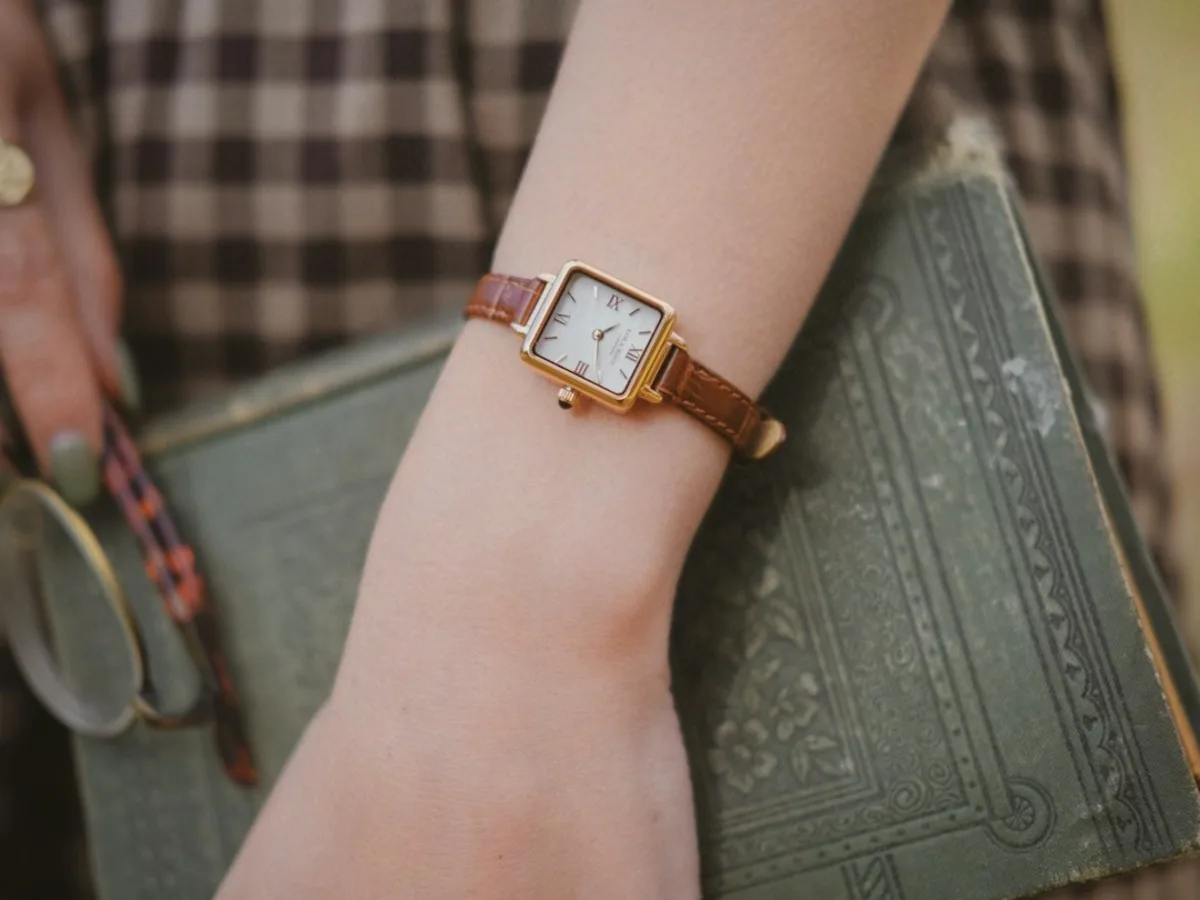
Jaeger-LeCoultre Reverso Buying Guide: Which Model to Choose
The Reverso family has grown into a proper maze of sizes, complications and dial layouts. Here's how to work out which version actually suits how you'd wear it.
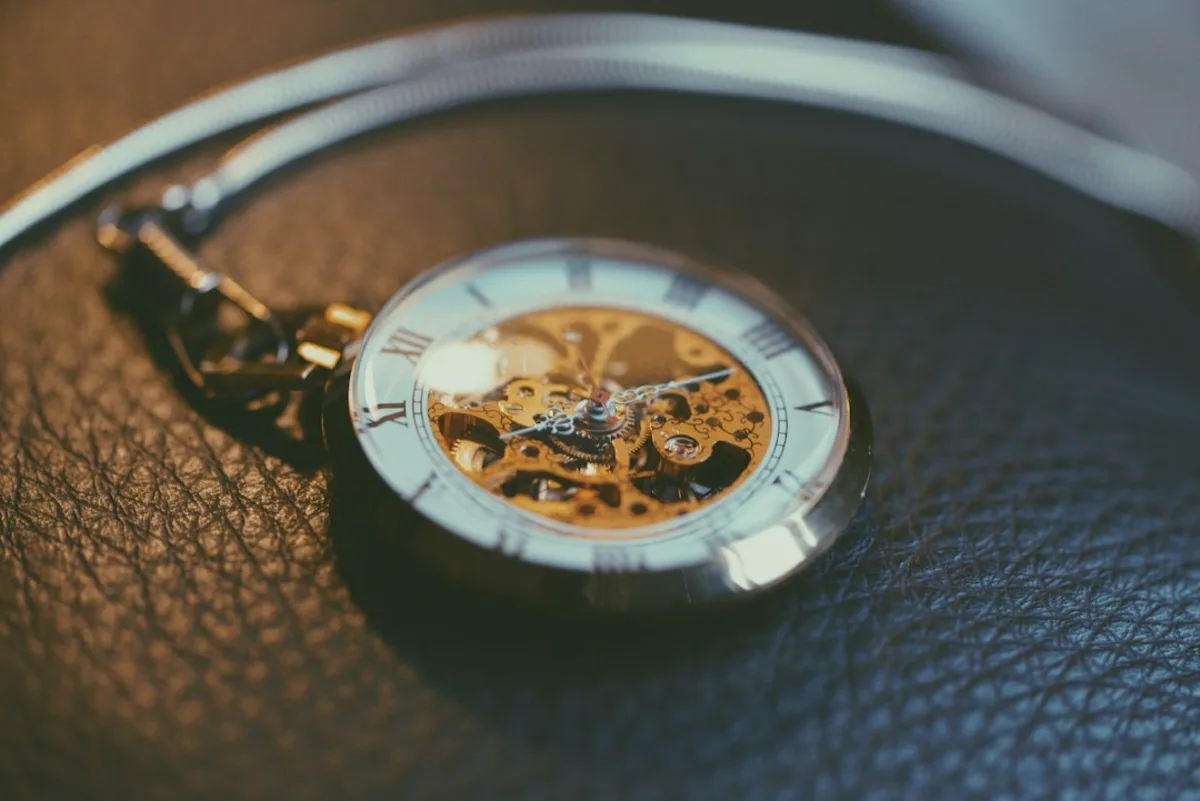
Aerowatch: Is This Small Swiss Watchmaker Any Good?
Aerowatch is a small, family-owned Swiss brand best known for pocket watches, skeleton dials and classical designs. We looked at its history, movements, prices and warranty.