Apple Watch Series 12: The Future Arrived, Then Tripped Over Its Own Feet
Apple's Series 12 brings proper on-device AI and a comeback ceramic case, but dodges the elephant in the room: battery life remains stuck in the past.
About this article: this is an informational article based on public sources: manufacturer specifications, published hands-on reviews by other outlets, owner feedback and current prices. We have not tested the watch ourselves, we are watch enthusiasts rather than professional journalists, and nothing here is buying advice. No brand paid for it. Our method

📑 Table of Contents
Apple announced the Apple Watch Series 12 on September 9, and going through the spec sheets, the launch materials and the wave of early hands-on coverage, one thing is clear: Apple's given us some genuinely clever improvements wrapped around some utterly baffling omissions.
Let's start with what's actually interesting.
The S11 Chip and On-Device AI (Finally)
Apple's been dancing around proper on-device AI for years now. Siri's been widely criticised since launch, requiring an internet connection for the simplest tasks while the phone sits there with a neural engine doing nothing. The Series 12 changes that. The new S11 chip handles Siri requests locally, processes voice commands faster, and (according to Apple) learns your health patterns without sending data to the cloud.
This matters more than you'd think. Smartwatch users have long complained about the single most annoying thing about every Apple Watch: waiting a couple of seconds for Siri to ping a server just to set a timer. Garmin devices handle this instantly. So do budget alternatives like Amazfit. Now, finally, the £399-and-up Apple Watch should too.
The AI angle extends to health tracking. Apple's calling it a "Redesigned Health Sensing System", which is marketing speak for "we sample your heart rate more often and crunch the numbers locally". You get a Readiness score each morning (hello, Whoop and Oura's entire business model) based on HRV, resting heart rate, sleep quality, and recent activity. Does this reinvent anything? No. Is it overdue? Absolutely.
Ceramic's Back, and I'm Conflicted
Remember the Series 2 and 3, when Apple offered a white ceramic case for people with more money than sense? It's back. Probably starts north of £1,200 based on past pricing, but we don't have official UK numbers yet. The ceramic looks gorgeous, scratches less than aluminium, and weighs about the same as stainless steel without the fingerprint magnet property.
Here's my issue: ceramic is brilliant until you drop it. Then it shatters. Aluminium dents. Steel scratches. Titanium laughs it off. Ceramic goes pop. Owners of the earlier ceramic Apple Watch models reported exactly this kind of catastrophic failure on hard impacts, turning an expensive watch into an expensive paperweight.
That said, Apple's added Ceramic Shield 2 to all models, not just the ceramic case. The display is supposedly 50% tougher than last year. That's worth reserving judgement on until independent drop tests appear, but if it performs anything like the iPhone's Ceramic Shield, which has a solid reputation for surviving nasty falls, it's a genuine improvement.
What's Missing (And Why It Matters)
Right. Deep breath. No blood glucose monitoring. None. Zero. We've had leaks about this for two years. The Apple Watch will "revolutionise diabetes care", they said. It'll happen when it happens, and Series 12 is not that day.
More frustrating: battery life is unchanged. Apple quotes "18-hour all-day battery" as if that's something to celebrate in 2026. Garmin watches routinely last two weeks on a charge. Withings hybrids can stretch to a month. Even Samsung is now managing two days. Apple's stuck at "charge it every night or else", and for a watch pushing hardcore health tracking (including sleep analysis, which requires wearing it at night), that's absurd.
Fast charging helps. You can supposedly get 8 hours of use from 15 minutes on the charger. Fine. But you know what's better than fast charging? Not needing to charge as often. Apple has the engineering talent and the chip efficiency to pull off 36 hours minimum. They're choosing not to, probably because the Watch team reports to the iPhone team, and multi-day battery life means fewer chances to interact with your phone.
And Touch ID? Still missing. Face ID on your wrist makes zero sense, granted, but Touch ID in the crown would be brilliant for Apple Pay without needing to type a passcode. Apple owns the patent. They did it on iPads and MacBooks. Just do it here.
The 5G Question Nobody Asked
Series 12 supports 5G. So did Series 11. And Series 10. Cellular Apple Watches have been around since Series 3, and by most accounts the cellular connection sees fairly light use for most owners, a nice safety net for the moments a phone isn't nearby (GPS-only models lose functionality if you're away from your phone), but 5G specifically? On a watch? Why?
5G drains battery faster than LTE. It requires more complex antennas. It costs more to manufacture. And for what? Streaming music slightly faster? Downloading podcast episodes that could just as easily sync at home over Wi-Fi? This feels like box-ticking for carrier partnerships rather than genuine user benefit.
Bluetooth 5.3 is a better upgrade. Lower latency for audio, better connection stability, improved range. It's a genuinely noticeable improvement for anyone using AirPods regularly, unlike 5G on the wrist, which most people would never notice unless they went looking for it.
Should You Wait for This?
Goes on sale September 18. Starts at $399, which presumably translates to £399 in the UK because Apple's pricing team hates exchange rates. If you're on a Series 8 or newer, nothing here screams "upgrade now". On-device AI is neat, not essential. Ceramic is lovely if you trust yourself not to smash it.
If you're on a Series 6 or older, though, this is a solid jump. The health sensors are meaningfully better. The display is brighter. WatchOS keeps getting smarter (though it'll run on older models too, just slower). And frankly, for anyone whose current Watch battery has degraded to the point where it dies by dinner, Series 12's "all-day" claim will feel like an improvement.
My take? Apple's playing it safe. They've added the features that Android watches already had (on-device processing, frequent HRV tracking, readiness scores), wrapped them in gorgeous hardware, and called it revolutionary. It's not. It's iterative. But iteration done well is still worth buying, especially for anyone locked into the Apple ecosystem and using AirPods, iPhone, and Mac daily. The integration remains unmatched.
Just don't expect miracles. Expect a very good smartwatch that still can't last two days on a charge, still can't check your blood sugar, and still costs as much as a decent mechanical watch that'll outlive you. That's the Apple Watch in 2026. Better than ever, but not as much better as it should be.
The Bigger Picture
What frustrates me most about the Series 12 launch is how little it moves the conversation forward. Smartwatches in 2026 should be solving battery anxiety, health monitoring gaps, and over-reliance on smartphones. Instead, we're getting incremental processor bumps and material choices.
Garmin's pushing solar charging. Withings has a hybrid that lasts 30 days. Samsung's experimenting with health sensors Apple won't touch for regulatory reasons. And Apple? Apple's refining the same formula since Series 4, making it slightly better each year without taking real risks.
That's not necessarily wrong. The Apple Watch is the best-selling smartwatch by miles. Why mess with success? But for anyone who has followed these devices for a decade, it's getting a bit samey. Apple's original Watch surprised people in 2015, and the Series 4 redesign did the same in 2018. Series 12 doesn't do that.
It's a good watch. It'll sell millions. But it's not the future of wearable tech. It's the present, slightly polished.
Written by
RevieWatches Editorial Team
RevieWatches is an independent, informational watch site. We research specifications, track pricing across retail and grey markets, and summarise what published...
More in Smart Watches
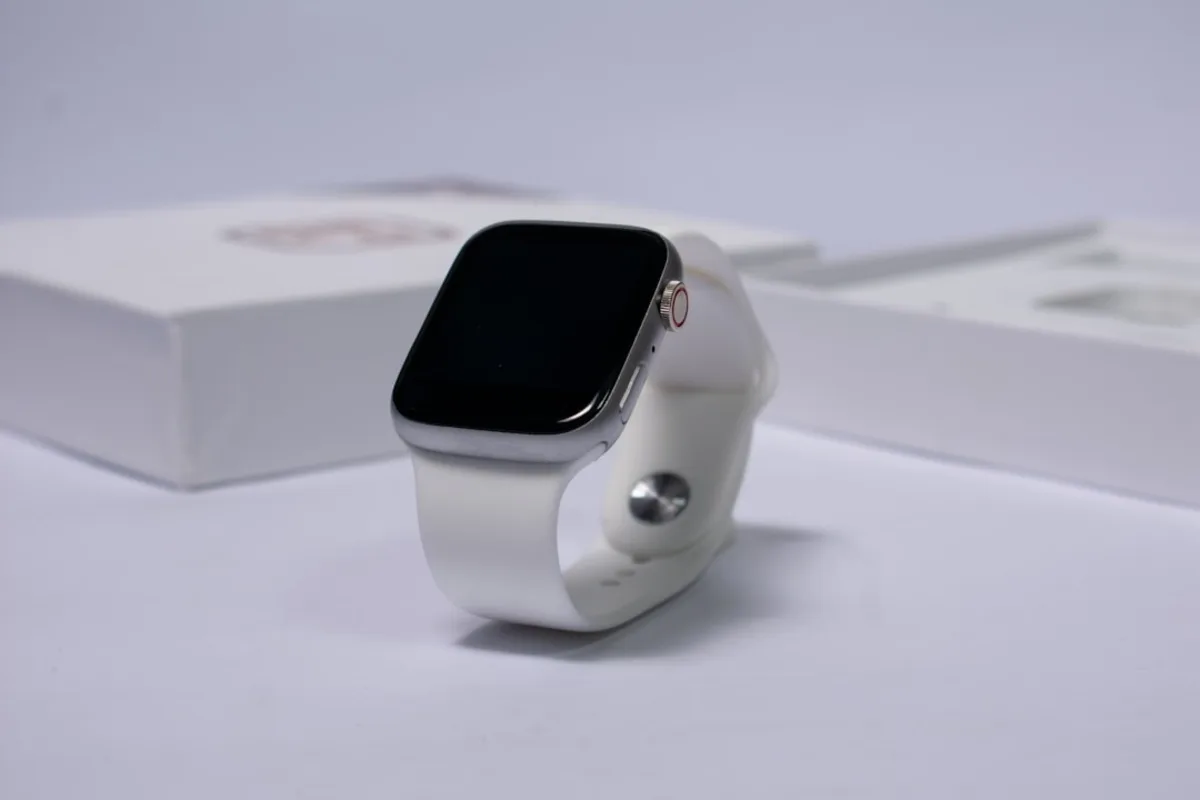
Should You Upgrade to the Apple Watch Series 12?
The Series 12 arrived in September with faster charging, better glass, and a few exclusive features. Whether you should buy one depends entirely on which watch is sitting on your wrist right now.
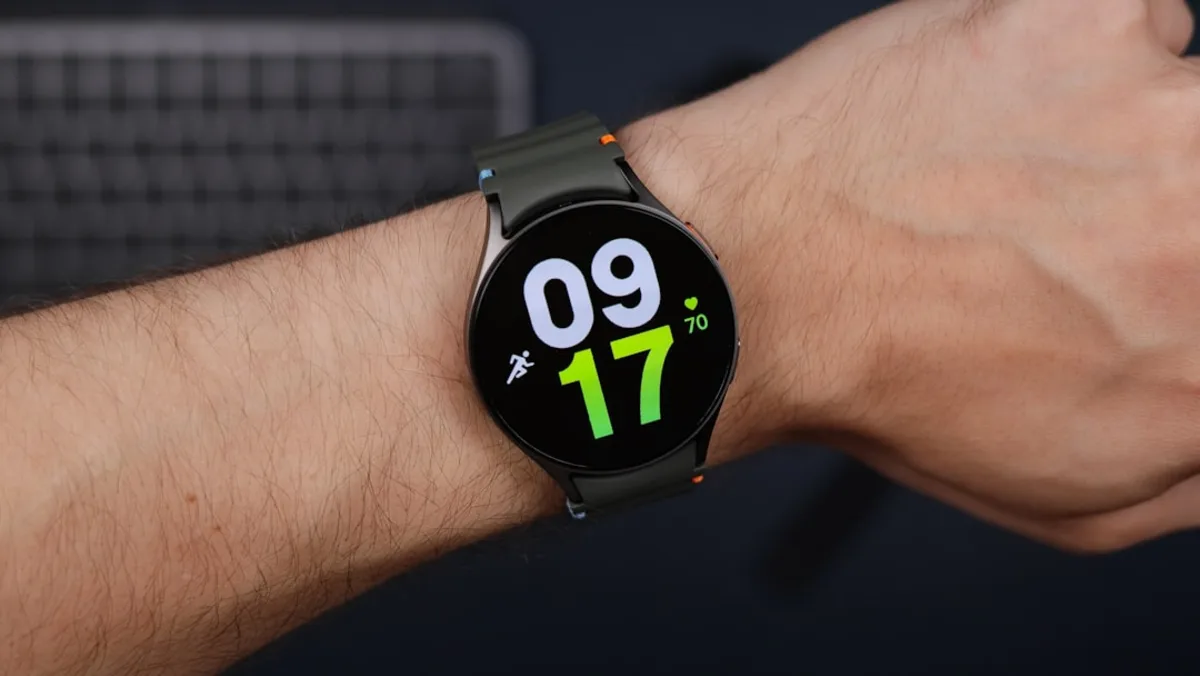
Galaxy Watch 9 vs Pixel Watch 5: The Android Smartwatch Fight Gets Real
Samsung and Google just dropped their latest smartwatches within days of each other. Here's which one actually makes sense based on the specs.

Apple Watch Ultra 4: The Smart Watch That Finally Gets Serious
Apple's latest Ultra lands with 50-hour battery, on-device AI, and a clear message: smartwatches can do endurance now. But does it change the game for proper watch people?