Should You Upgrade to the Apple Watch Series 12?
The Series 12 arrived in September with faster charging, better glass, and a few exclusive features. Whether you should buy one depends entirely on which watch is sitting on your wrist right now.
About this article: this is an informational article based on public sources: manufacturer specifications, published hands-on reviews by other outlets, owner feedback and current prices. We have not tested the watch ourselves, we are watch enthusiasts rather than professional journalists, and nothing here is buying advice. No brand paid for it. Our method
📑 Table of Contents
Apple's Series 12 goes on sale today, and the obvious question is whether an Apple Watch Series 12 upgrade is worth it. The short answer is maybe. The longer answer depends on what you're wearing now, because this is the most stratified Apple Watch lineup we've seen.
The biggest change is one Apple buried halfway through their announcement event: the S11 chip. This isn't just a speed bump. The Series 10 and Series 11 both ran the same S10 silicon, so the Series 11 brought no new chip at all. The Series 12 pairs the S11 with twice as much RAM. Apps should hold state better, and switching between faces should be instant instead of nearly instant.
Is that worth $399 on its own? No. But it's the foundation everything else sits on.
If You Own a Series 11
Don't bother. The Series 12 is better than the Series 11 in measurable ways, but none of them matter enough to spend $399.
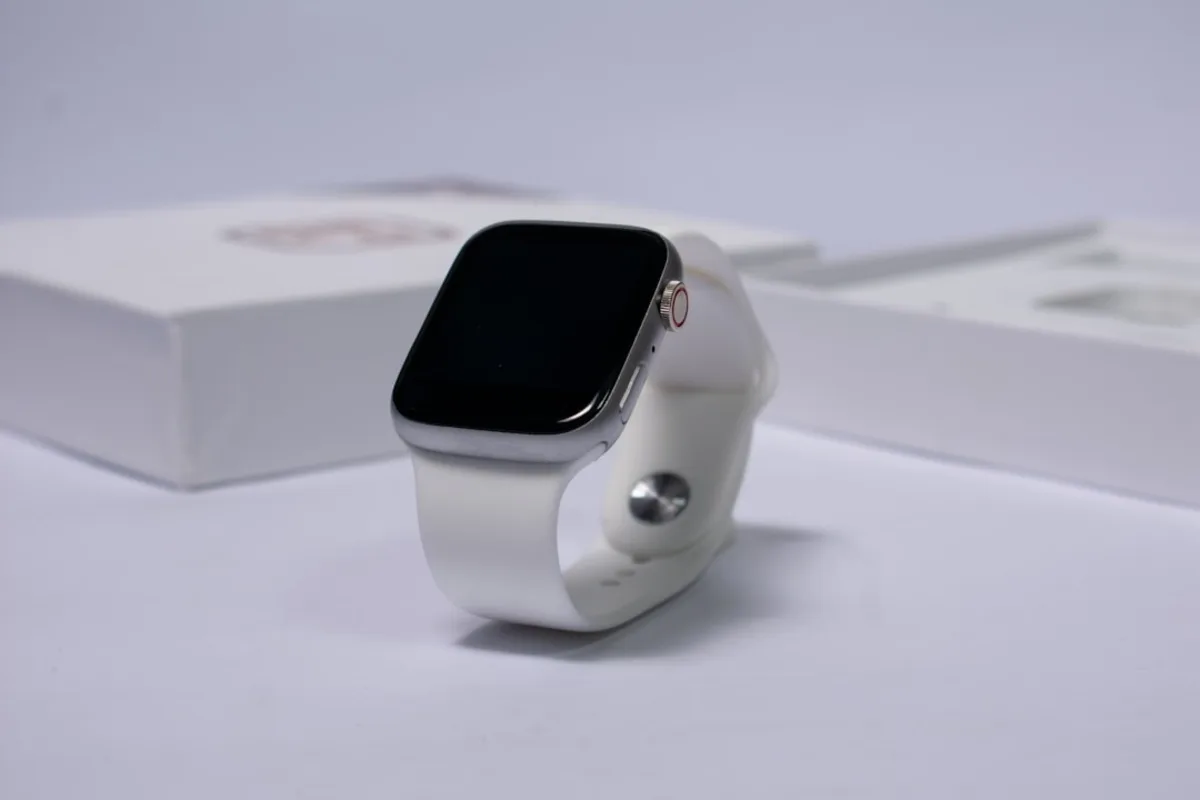
Yes, the Ceramic Shield 2 glass is supposedly 60 percent tougher. Cracked screens are relatively rare in practice, and most owners tend to be careful with these things anyway, so this is a marginal gain for most people. The ceramic case options look lovely in photos, particularly the Pearl White, but aluminium was never really the problem.
The exclusive health features sound good on paper. Continuous heart rate tracking instead of periodic sampling, Recovery HRV, the Readiness score that tells you whether to train or rest. But here's the thing: if you weren't missing these features last week, you probably won't miss them next week either. Whoop and Oura have been doing this for years. Apple's implementation will be polished, sure, but it's not revolutionary.
Fast charging is nice. Fifteen minutes for twelve hours is genuinely useful for anyone who showers in the morning and needs a quick top-up before work. Series 11 owners already have decent battery life, so this just makes the good slightly better.
Skip it. Put that money toward a decent mechanical watch instead, or just keep it.
If You Own a Series 10
This is where it gets interesting, because you skipped the Series 11 (a reasonable call) and now you're technically two generations behind. Except you're not really, since the 10 and 11 were basically twins under the skin.
The calculus here is similar to Series 11 owners, but with one difference: you've already waited a year. If you can wait longer, a future model may well be a bigger jump. Apple tends to do this. Incremental update, incremental update, then a proper redesign with new sensors.
That said, the S11 chip is a genuine step forward from the S10. If you use your watch for workouts and have noticed sluggishness when logging intervals or switching between metrics, the extra RAM should help. Workout tracking matters most if you do long trail runs or cycle centuries. Some outdoor athletes reportedly carry battery packs for anything over four hours, which now seems unnecessary. Ten hours should handle most real-world use cases.
Audio Intelligence is the wildcard. Sound Recognition alerts (smoke alarms, doorbells, crying babies) are genuinely useful for people with hearing loss or anyone wearing noise-cancelling headphones all day. Live Rewind, which shows the last fifteen seconds of conversation as text, sounds gimmicky until you consider how often people miss something in a noisy pub or on a windy platform. Siri Recap and always-on Shazam detection are nice-to-haves.
If you use your watch primarily for fitness and do long outdoor sessions, upgrading makes sense. If the new health features don't matter to you, there's no rush. Apple will almost certainly add blood glucose monitoring by then, and that'll be the real story.
If You Own a Series 9 or Older
Yes. Upgrade. No question.
The jump from Series 9 to Series 12 is enormous. You're getting two newer generations of Apple silicon, all the health features that debuted in the 10 and 11, plus everything exclusive to the 12. The charging alone is worth it. Going from dead to a full day in fifteen minutes changes how people use the device day to day. There's less need to worry about overnight charging when you can top up while making breakfast.
Even more of a slam dunk from here. Build quality is reported to be night and day, and performance is said to sit in a different league.
The improvement from an older device is usually dramatic. Owners moving up from a Series 9 or earlier commonly compare it to swapping an ageing phone with a cracked screen and a failing battery for a new one: everything just works the way it's supposed to.
If You Don't Own an Apple Watch
The Series 12 is the best standard Apple Watch yet. Obviously. That's how technology works. But it's also the first one in a while that feels like a complete product rather than a stepping stone to next year's model.
Whether you should buy one at all is a different question. But if you're already in the Apple ecosystem, use your phone for everything, and are curious about fitness tracking or notification management, this looks like a good entry point. You wouldn't be buying into something that feels obsolete in six months.
The ceramic case looks beautiful but is reportedly more fragile. Aluminium remains the sensible choice unless you're very careful or don't mind the risk. The colour options are strong this year, and the Pearl White ceramic is particularly striking, though it seems like the kind of finish that would show damage quickly.
What Apple Didn't Give Us
No blood glucose sensor. This has been rumoured for three years running. It's the holy grail of wearable tech, the thing that would make the Apple Watch genuinely indispensable for millions of people managing diabetes. Still not here. Apple's clearly working on it (there's too much smoke for there to be no fire), but the engineering challenges are brutal. Non-invasive glucose monitoring through skin is hard. Doing it reliably, in a consumer device, at scale, without regulatory issues, is another level entirely.
Battery life is unchanged from the Series 11, so plan on charging it most days, especially with heavy workout tracking. A three-day watch would be ideal, or even a week-long one, but Apple's evidently made the calculation that fast charging is good enough. For most people, that's probably the right call.
No major design changes. Apart from the returning ceramic option, the design is familiar. We're firmly in the iterative years now.
The Bottom Line
If you own a Series 11 or 10, skip the Series 12 unless you desperately need the exclusive health features or the faster charging. You're not missing much.
If you own a Series 9 or older, upgrade. The cumulative improvements are substantial, and the difference should be noticeable immediately.
If you don't own an Apple Watch and you're thinking about it, the Series 12 looks like a solid buy. It's not perfect (nothing is), but it's the most complete version of Apple's smartwatch vision so far.
What would be worth seeing next year: longer battery life without relying on fast charging, blood glucose monitoring that actually works, and a design refresh that makes the watch feel new again. Apple's gotten very good at incremental updates. Too good, maybe. The Series 12 looks excellent, but it doesn't feel exciting. It feels inevitable.
And maybe that's fine. Not every product launch needs to be revolutionary. Sometimes good enough is good enough, especially when good enough is genuinely very good. What matters is knowing what you're buying into, and what you're upgrading from. The answer to "should I upgrade" is never universal. It's always personal.
Written by
RevieWatches Editorial Team
RevieWatches is an independent, informational watch site. We research specifications, track pricing across retail and grey markets, and summarise what published...
More in Smart Watches
Galaxy Watch 9 vs Pixel Watch 5: The Android Smartwatch Fight Gets Real
Samsung and Google just dropped their latest smartwatches within days of each other. Here's which one actually makes sense based on the specs.

Apple Watch Ultra 4: The Smart Watch That Finally Gets Serious
Apple's latest Ultra lands with 50-hour battery, on-device AI, and a clear message: smartwatches can do endurance now. But does it change the game for proper watch people?

Apple Watch Series 12: The Future Arrived, Then Tripped Over Its Own Feet
Apple's Series 12 brings proper on-device AI and a comeback ceramic case, but dodges the elephant in the room: battery life remains stuck in the past.