Best Vintage Watches to Invest In (2026)
Which vintage watches offer the best appreciation potential in 2026? Our guide to investment-grade Rolex, Omega, and Patek references with proven track records.
About this article: this is an informational article based on public sources: manufacturer specifications, published hands-on reviews by other outlets, owner feedback and current prices. We have not tested the watch ourselves, we are watch enthusiasts rather than professional journalists, and nothing here is buying advice. No brand paid for it. Our method
📑 Table of Contents
- Best Overall Investment: Vintage Rolex GMT-Master 1675
- Most Affordable Entry: Omega Speedmaster Professional (Vintage)
- Why These Two Win
- The Dark Horse: Heuer Autavia (1960s/70s)
- If You Have Serious Money: Patek Philippe Calatrava (1950s/60s)
- The Underdog: Universal Genève Polerouter
- What to Avoid (This Will Save You Money)
- Investment Strategy (The Boring But Important Bit)
- Final Thoughts
- The Bottom Line
The vintage watch market in 2026 looks completely different to what we saw in 2021. The hype bubble has deflated. The speculators have moved on to NFTs or whatever's next. What remains? Actual collectors, actual watches, and the best vintage watches to invest in for anyone chasing real opportunity.
Vintage watches are a hybrid asset: wearable, beautiful, and capable of significant appreciation. But not every old watch is a good investment. This guide focuses on references with proven track records and strong secondary markets. These are pieces that can actually be found, authenticated, serviced, and sold when the time comes.
The goal here isn't to promise overnight riches. It's to point towards watches that have held value through multiple market cycles, that people will still want in ten years, and that won't leave a buyer stuck with an illiquid asset that can't be unloaded.
Best Overall Investment: Vintage Rolex GMT-Master 1675
Produced from 1959 to 1980, the Rolex GMT-Master 1675 is among the most liquid and consistently appreciating vintage tool watches. Budget $15,000 to $30,000 for an honest example. Cleaner condition pieces have doubled in value over the past decade, and the market hasn't shown signs of softening the way some other references have.
Why does it work? First, the 1675 was in production for two decades. That means there are enough examples out there to actually find one, but not so many that supply drowns demand. Second, it's a proper tool watch with a GMT complication that remains genuinely useful today, and reviewers and owners consistently describe it as a piece that draws attention on the wrist in a way few modern watches manage.
The market correction that hit in 2022 and 2023 landed hard on modern Rolex sports models. The 1675 held up better than most. That tells you something about its position in the collecting hierarchy. This isn't a hype watch. It's a cornerstone piece.
What to look for: original dial (no repainting), unpolished case with strong lugs, original bracelet if possible. The insert will be faded (that's expected), but check for cracks. Service history is nice but not essential if the watch runs well. Papers and box add 20% to value but aren't make-or-break.
Most Affordable Entry: Omega Speedmaster Professional (Vintage)
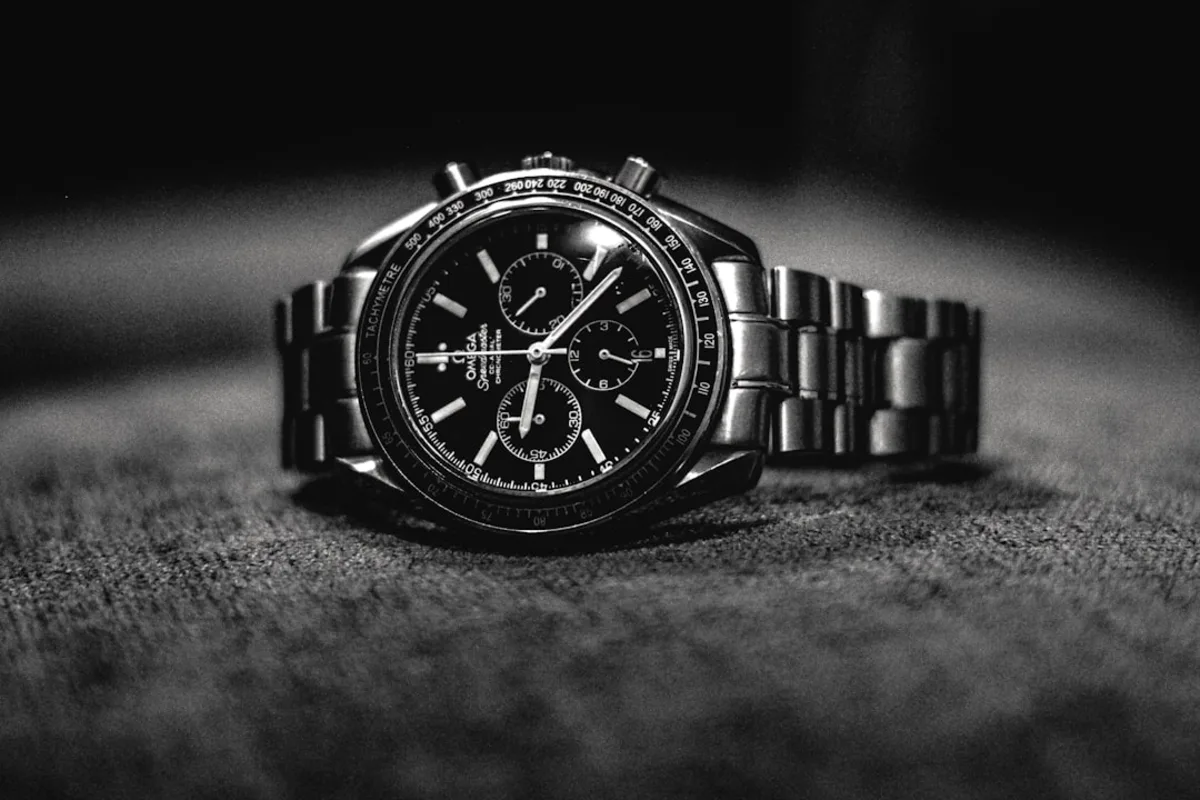
Reference 145.022, produced from 1968 to 1988, gives collectors a true vintage Moonwatch with the same calibre 861 movement that visited the moon. Expect to pay $4,000 to $7,000 for a decent example. The vintage Speedmaster Professional market is liquid and growing, particularly as younger collectors who can't afford vintage Rolex look for alternatives with genuine heritage.
Prices for clean examples have risen steadily over the past decade, and the trajectory reflects real demand rather than speculation. It's a watch many owners describe wearing regularly and enjoying, rather than treating purely as a safe-deposit asset.
The 145.022 sits in the sweet spot. Earlier references (pre-1968) command serious premiums. Later ones (post-1988) feel too modern to be properly vintage. This period hits the Goldilocks zone: old enough to have character, new enough to service easily.
What to watch out for: replacement dials are common. Original tritium plots should be evenly aged. Check the pushers (they should feel crisp, not mushy). The case back should be tight. These watches were worn hard, so some wear is normal, but heavily polished examples that have lost their case definition are best avoided.
Why These Two Win
Before getting into deeper cuts, it's worth explaining why the GMT-Master 1675 and Speedmaster 145.022 form the foundation of any vintage investment strategy.
Liquidity: Both have active auction markets at Phillips, Christie's, and Antiquorum. These watches can typically sell within a week if priced fairly. Try that with a vintage Longines chronograph. Good luck.
Service support: Rolex and Omega both service vintage references. Yes, Rolex service is controversial (they love replacing parts), but independent watchmakers have deep parts inventories for both brands. Owners aren't likely to be stuck with a dead watch.
Authentication infrastructure: Multiple specialist dealers offer guarantees. Forums have decades of reference photos. Frankenwatches exist, but they're easier to spot than with obscure brands.
Cultural significance: Both have decades-long collector communities. That matters because watches are worth what people will pay, and people pay for stories, history, and shared enthusiasm.
The Dark Horse: Heuer Autavia (1960s/70s)
For something less obvious, the Heuer Autavia from the 1960s and 1970s (before TAG bought them) has been quietly appreciating for years. Expect to pay $8,000 to $20,000 depending on reference and condition.
Why the Autavia? It's Steve McQueen-adjacent without being the actual McQueen watch (that's the Monaco, which now costs a great deal more). The Autavia has genuine motorsport heritage, came in dozens of dial variants, and uses the well-regarded Valjoux 72 movement, which is serviceable by any competent watchmaker. That matters more than people think.
Examples with spotted or lightly aged dials are sometimes overlooked by buyers who are wary of condition issues, yet the broader Autavia market has continued to strengthen even for pieces with minor cosmetic flaws, as more collectors discover the reference.
The Autavia market is thinner than Rolex or Omega, which cuts both ways. It's harder to sell quickly, but there's also room for appreciation as awareness grows. Think of it as a 7-10 year hold rather than a 3-5 year flip.
If You Have Serious Money: Patek Philippe Calatrava (1950s/60s)
Any vintage Patek is arguably an investment-grade watch, but the Calatrava references from the 1950s and 1960s are particularly strong. Budget $15,000 to $50,000 depending on reference, complications, and condition.
Patek has done an extraordinary job protecting its brand equity. It's one of the only makers where vintage pieces genuinely hold or appreciate almost regardless of market conditions. Long-term holders of these references have often reported modest but steady annual returns, reportedly in the region of 6 to 8 percent, on top of owning a genuinely beautiful watch.
The catch? Buyers need to know what they're doing. The Patek market is full of polished cases, replacement dials, and dodgy service history. Buying from established dealers only is essential. Expect to pay a premium for that confidence, but it's worth it. A bad Patek purchase can cost 50% of value instantly.
References to look at: 96, 570, 2526, 3445. Simple time-only pieces in yellow or rose gold. Nothing fancy. These are quiet wealth watches that will outlast trends.
The Underdog: Universal Genève Polerouter
A bit of a left-field choice, but hear it out. The Universal Genève Polerouter from the 1950s and 1960s is one of the most undervalued vintage watches right now. Decent examples can still be found for $2,000 to $5,000.
These watches were designed by Gérald Genta before he became famous. They use excellent in-house microrotor movements. The dials are gorgeous, with gilt printing and interesting sector designs. And at 34-36mm, they're small enough to feel properly vintage without looking comically tiny on modern wrists.
Why invest? Because the market is finally waking up to Universal Genève. Five years ago, these were $800 watches. Now they're three times that and climbing. As Rolex and Omega push beyond reach for average collectors, pieces like the Polerouter become the next tier down.
Risk factor: Universal Genève isn't making watches anymore (the brand exists but it's zombie-status). Service can be tricky. Parts are available but not abundant. Think of this as a collector's piece more than a daily wearer.
What to Avoid (This Will Save You Money)
Let's talk about the landmines. These are mistakes that recur across the vintage market, and they're worth learning before spending serious money.
Refinished or service-replacement dials: Instant 50% value reduction, sometimes more. Original dial patina is everything in vintage. Even a perfectly executed refinishing job by a master dial restorer will crater value. The market is ruthless about this.
Polished cases: Expect a 40% value hit if the case has been heavily polished. Collectors want sharp lugs and case definition. Polishing rounds everything off. Once it's gone, it's gone forever. Some light polishing is acceptable (most old watches have been touched up), but heavy polishing is a deal-killer.
Aftermarket parts: Replacement bezels, wrong bracelets, incorrect crowns. These all signal an inexperienced seller to knowledgeable collectors. Even if the rest of the watch is perfect, wrong parts will kill a sale.
Unknown provenance: Always demand papers, photos, or auction history. A watch with zero documentation is a gamble. Maybe it's fine. Maybe it's a Frankenwatch assembled from three donor watches. Papers don't guarantee authenticity, but they help enormously.
Investment Strategy (The Boring But Important Bit)
This isn't financial advice, but here are some sensible practices worth following for anyone treating vintage watches as an investment:
Set a 5-10 year horizon minimum. Vintage watches aren't stocks. They can't be flipped in six months with meaningful returns. Transaction costs alone (dealer margins, auction premiums, service) eat into short-term gains.
Insure the watch. Standard art insurance, not a jewellery rider. Jewellery insurance often has weird exclusions for vintage pieces. A proper fine art policy will cover agreed value, which matters if the watch appreciates.
Service every 5-7 years. A dead watch is worth less than a running watch, always. Budget $500-$1,000 per service for most pieces. Patek will cost more.
Keep original boxes and papers. Even without them at purchase, documentation should be accumulated over time. Every receipt, every service record, every photo adds to provenance.
Avoid buying at peak market prices. The 2022-2023 vintage Rolex peak has corrected significantly. Watches that sold for $40,000 in 2022 are now $28,000. That's a brutal lesson for anyone who bought at the top. Corrections always come eventually, and patience tends to be rewarded.
Final Thoughts
The vintage watch market in 2026 rewards patience and knowledge. The easy money has largely been made or lost. What remains is a market for people who actually care about watches, not just asset appreciation.
A sensible order for someone starting today: begin with the Speedmaster 145.022. Live with it for a couple of years and learn the market. Then move up to the GMT-Master 1675 or a Heuer Autavia. Those with serious money and the right dealer relationships might add a Patek Calatrava. The Polerouter is for collectors who've caught the bug and want something interesting to talk about.
But honestly, buying vintage watches purely for investment returns is the wrong approach. They're worth buying because they're loved, because they connect people to history, because they're beautiful mechanical objects. Appreciation is a pleasant side effect. It shouldn't be the main reason.
The market has plenty of stories of buyers who picked up modern Daytonas at retail and flipped them within a couple of years for triple the price. It also has quieter stories of long-term owners who held vintage Speedmasters for a decade, wore them regularly, and eventually sold for double. Both routes can make money. Only one of them comes with a decade of genuine enjoyment attached.
The Bottom Line
The Vintage Rolex GMT-Master 1675 is the best vintage investment for serious collectors with the budget to play at that level. The Omega Speedmaster Professional (ref. 145.022) offers the best risk/reward for newcomers to vintage collecting. Everything else on this list is either higher risk (Polerouter), higher capital requirement (Patek), or requires deeper market knowledge (Autavia).
Buy smart. Buy what you love. Hold long. The rest will sort itself.
Written by
RevieWatches Editorial Team
RevieWatches is an independent, informational watch site. We research specifications, track pricing across retail and grey markets, and summarise what published...
More in Vintage
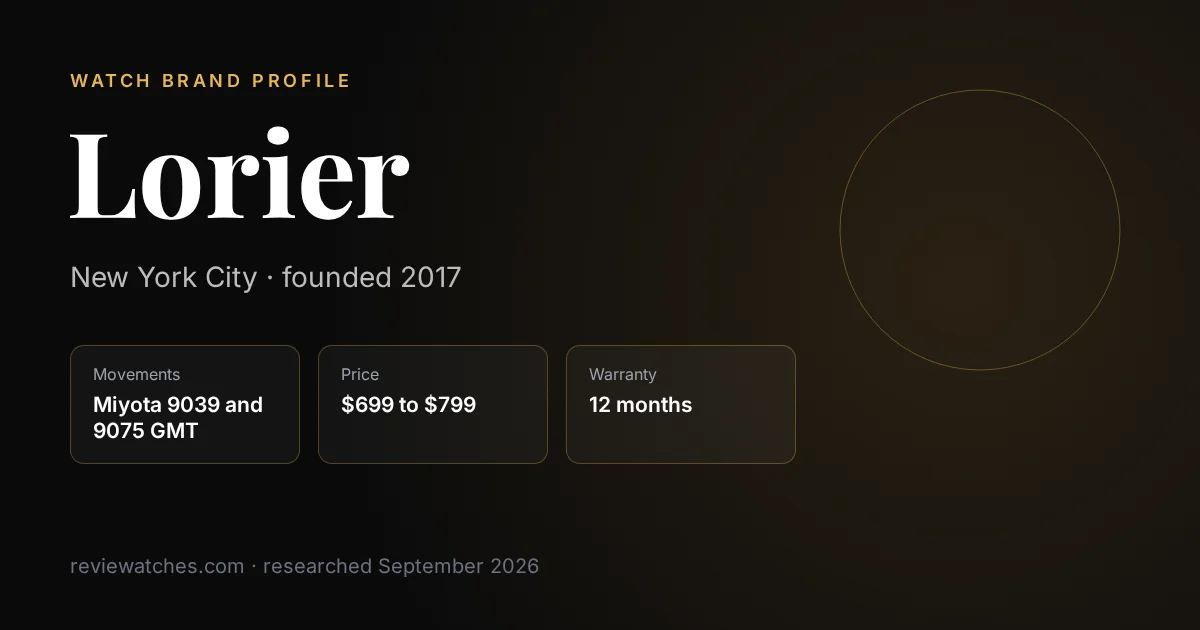
Lorier Watches: New York Microbrand, Mid-Century Style
Lorier is a husband-and-wife microbrand from New York making compact, mid-century inspired watches. We looked at the current range, movements, prices and policies.
Buying Vintage Seiko: What to Check Before You Pay
Vintage Seiko watches offer brilliant value, but the market's full of traps. Here's how to spot redials, franken builds, and dodgy mods before you hand over cash.
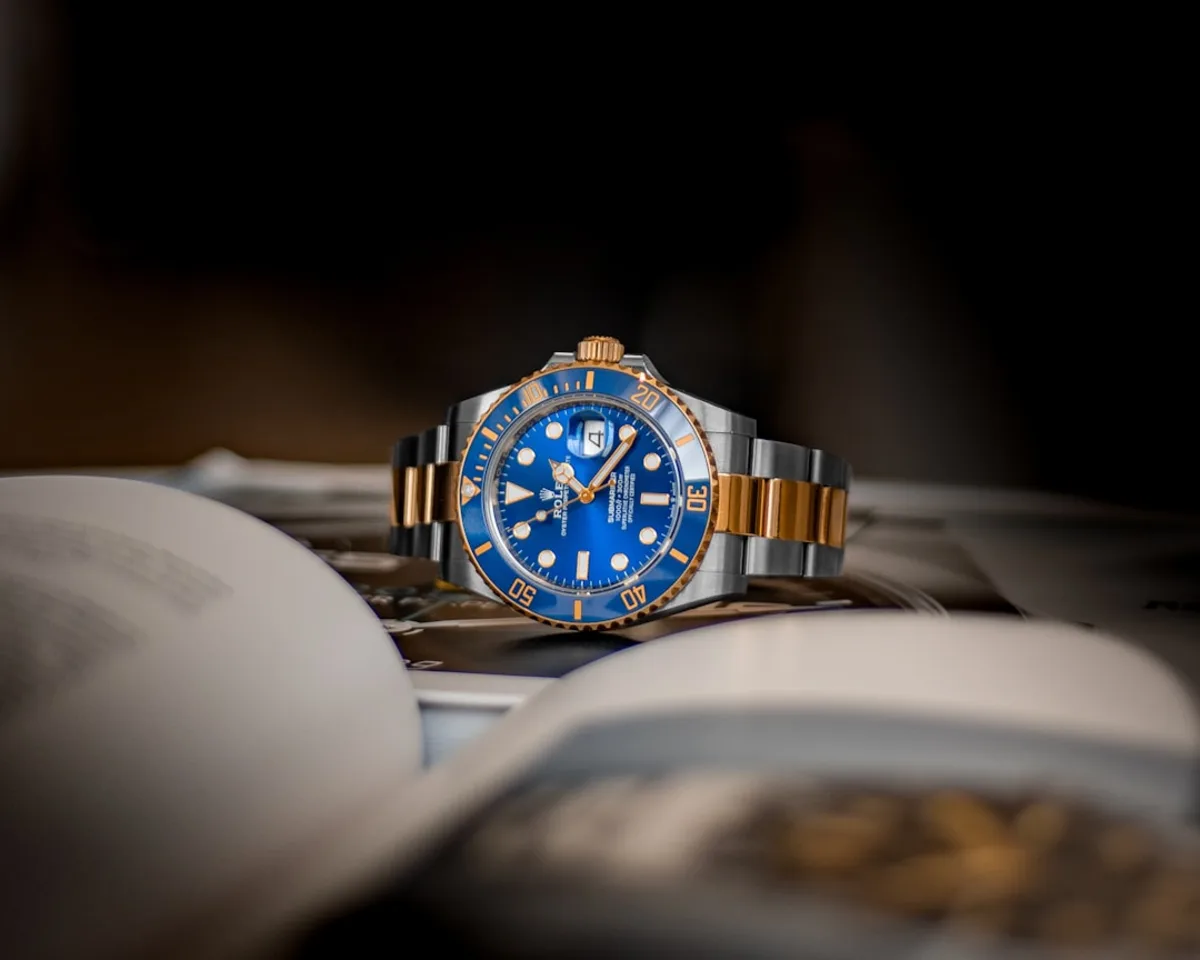
Buying a Vintage Rolex GMT-Master 1675: What Buyers Need to Know
The 1675 is one of the most heavily faked and refinished vintage Rolex references on the market. Here's how to avoid the common mistakes and find a proper one.