Best Watches for Hiking in 2026: A Practical Guide
Seven watches worth considering for a multi-day trek, from budget G-Shocks to solar-powered Garmins, based on their specifications and what owners and reviewers commonly report.
About this article: this is an informational article based on public sources: manufacturer specifications, published hands-on reviews by other outlets, owner feedback and current prices. We have not tested the watch ourselves, we are watch enthusiasts rather than professional journalists, and nothing here is buying advice. No brand paid for it. Our method
📑 Table of Contents
The best watches for hiking vary widely in what they promise compared with what actually matters on the trail. A watch marketed as rugged can still let you down if you forget to charge it, while a basic G-Shock is widely reported to keep working through rain, cold and rough handling without much fuss.
The research here points to a simple conclusion: the best hiking watch isn't the one with the longest spec sheet. It's the one you don't have to worry about. One that tells you the time, maybe the altitude, and doesn't need babying. Bonus points if it can take a knock against granite.
So here are seven watches that make sense for a week in the backcountry, based on their specifications and what owners and reviewers commonly report. Different budgets, different priorities.
1. Casio G-Shock Rangeman GW-9400 (£250-300)
The Rangeman has been a default choice for hikers for years because it simply works. It has a triple sensor setup (altimeter, barometer, compass), solar charging, and a reputation for toughness, with owners rarely reporting failures from normal use. It's widely regarded as dependable in poor weather, the kind of watch that keeps going through sustained rain without complaint.
The altimeter is decent, though not lab-grade accurate, and calibrating it at known elevations is recommended. The compass is more useful than it might seem when orienting a paper map at a trail junction. Solar charging means battery life is rarely something owners need to think about at all.
Downsides? It's chunky, wearing like a small dinner plate on the wrist, and the negative display can be hard to read in certain light. For the money, though, few watches match this feature set.
2. Garmin Instinct 2 Solar (£350-400)
This is the option for proper GPS tracking without the fragility associated with Garmin's higher-end fenix line. The Instinct 2 is Garmin's rugged line, and the solar version's battery claims are broadly backed up by owner reports of going weeks between charges even with regular GPS use on multi-hour hikes.
GPS accuracy is widely praised. It's commonly used to trace routes, mark waypoints and follow breadcrumb trails back if the path gets confusing. The barometric altimeter is a step up from the G-Shock's, and the heart rate sensor is generally reported to perform well, though it's not essential for hiking purposes.
What stands out most is the screen: an always-on display readable in bright sun or darkness, with physical buttons rather than a touchscreen that becomes awkward with wet or gloved hands.
The watch is plastic and feels a bit cheap for the price, and the companion app carries Garmin's usual clutter of overlapping features and confusing menus. On the trail, though, it's excellent.
3. Suunto 9 Peak (£450-500)
Suunto used to dominate the outdoors watch market before Garmin overtook it. The 9 Peak is the brand's answer, and it's a genuinely strong watch. It's thinner than the Instinct, uses nicer materials (titanium bezel, with a sapphire crystal option), and Suunto specifies impressive GPS battery life, with reviewers generally confirming over 20 hours of continuous tracking on a single charge.
The routing features are widely considered more intuitive than Garmin's. Suunto's FusedAlti system combines GPS and barometric data, and reviewers commonly note that it handles sudden weather changes well.
The downside is the ecosystem, with fewer third-party integrations than Garmin offers. The app is sleeker but less feature-dense, and the titanium and sapphire come at a premium. Worth it for anyone who wants something that looks less "tactical dad" and more "actual mountaineer".
4. Casio Pro Trek PRG-340 (£180-220)
The Pro Trek line is Casio's more refined take on outdoor watches. It uses the same triple sensor technology as the Rangeman, in a slimmer, more traditionally watch-like package.
Solar-powered, with a tough resin case and proper pushers that work with gloves, the altimeter and barometer are solid performers and the compass is fine for rough orientation. It isn't trying to be a GPS navigator, and that's fine. Sometimes you just want to know the time, the altitude, and whether the pressure is dropping.
This is a sensible option for someone who hikes occasionally but doesn't want to look kitted out for Everest on a Sunday stroll. It wears comfortably, doesn't shout about how seriously it takes itself, and costs less than a decent pair of boots.
5. Apple Watch Ultra 2 (£750-800)
A controversial pick, admittedly, but worth considering. For anyone already embedded in the Apple ecosystem, it's a surprisingly capable hiking watch. The GPS is excellent, the altimeter is fast and accurate, and Apple's low-power mode claims are generally borne out in owner reports of two to three days of battery life with moderate GPS use.
The action button is well suited to marking waypoints mid-stride. Cellular connectivity means a phone can stay in the pack while still allowing emergency calls, and the compass with waypoints overlay is genuinely useful for finding a cairn marking a trail junction.
The obvious problems are the price, the lock-in to Apple's ecosystem, and a build that won't survive the abuse a G-Shock shrugs off. It's not one to take canyoneering, but for well-maintained trails and the occasional scramble it's better than watch purists tend to admit.
6. Coros Vertix 2 (£600-700)
Coros is the brand favoured by serious mountain athletes. It carries less marketing weight than Garmin, but reportedly offers better battery life and a cleaner interface. The Vertix 2 is the flagship, and its GPS battery life is genuinely remarkable, with Coros specifying around 140 hours in standard mode, a figure reviewers have found broadly credible even over week-long treks.
Build quality is serious, with a titanium case, sapphire crystal and screwed lugs that hold up well. It feels like a tool rather than a toy. The altimeter uses both GPS and barometric pressure, and reviewers commonly report it being more stable than Garmin's in rapidly changing conditions, such as during a thunderstorm.
The maps are basic compared with Garmin's, offering breadcrumb navigation rather than full colour topography, and the app is functional rather than pretty. This is a watch for people who care more about data accuracy than app polish. For that audience, it's exceptional.
7. Timex Expedition North Tide-Temp-Compass (£80-100)
Not every hike needs a £500 GPS watch. Sometimes something cheap, light and reasonably useful is all that's required. This Timex has a digital compass, a thermometer, and an Indiglo backlight that actually works, unlike the weak blue LEDs found on many cheap digital watches.
Owner reports suggest the compass is slow to settle and not hugely accurate, though good enough to roughly orient a map. The thermometer tends to read body heat when worn, which makes it largely decorative. The backlight, though, is consistently praised, and battery life is reported to run to several months of regular use.
It's a resin-cased quartz watch that costs less than a round of drinks, so expectations should be managed accordingly. For anyone on a budget, or who wants something they won't mourn if it ends up in a river, it does the job.
What Actually Matters
Across all these watches, what stands out most is readability, reliability, and not having to think about the watch at all. The fanciest GPS features count for little if the battery dies on day three. The most accurate altimeter is pointless if the screen can't be read in bright sun.
A basic G-Shock that can be trusted completely often makes more sense than a flagship smartwatch that needs constant attention. Priorities will differ. Some want full mapping, others want heart rate data, others just want to know when to start heading back to camp.
The right choice depends on how someone actually hikes, not how they imagine hiking. And it's worth testing any new watch on a day hike before relying on it for a week-long trek.
Written by
RevieWatches Editorial Team
RevieWatches is an independent, informational watch site. We research specifications, track pricing across retail and grey markets, and summarise what published...
More in Sports Watches
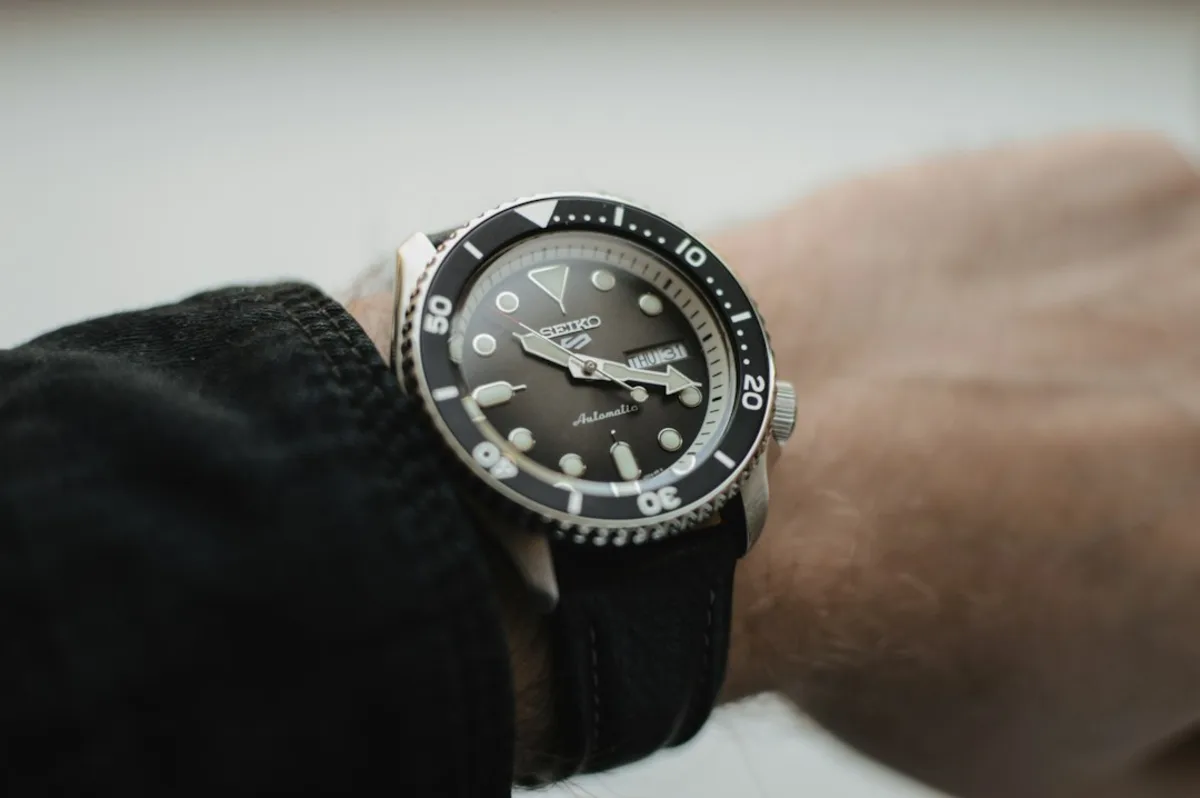
What Is a Tool Watch? A Clear Definition
Tool watch is one of the most used and least defined terms in watch collecting. Here is what it actually means, and the features that separate a real tool from a watch that just looks like one.
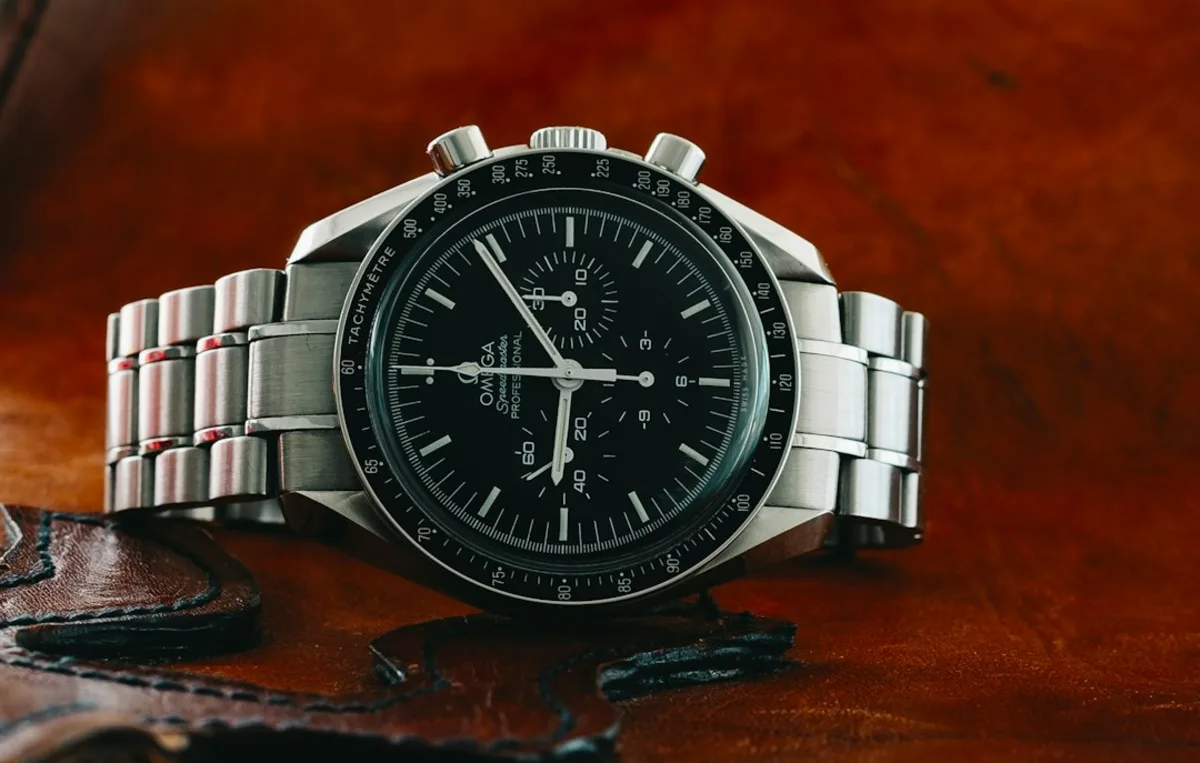
Omega Speedmaster Moonwatch Buying Guide: Hesalite or Sapphire?
The Moonwatch has barely changed in decades, but the choice between versions still matters. Here is what separates the Hesalite and Sapphire Sandwich models, and the older calibres.
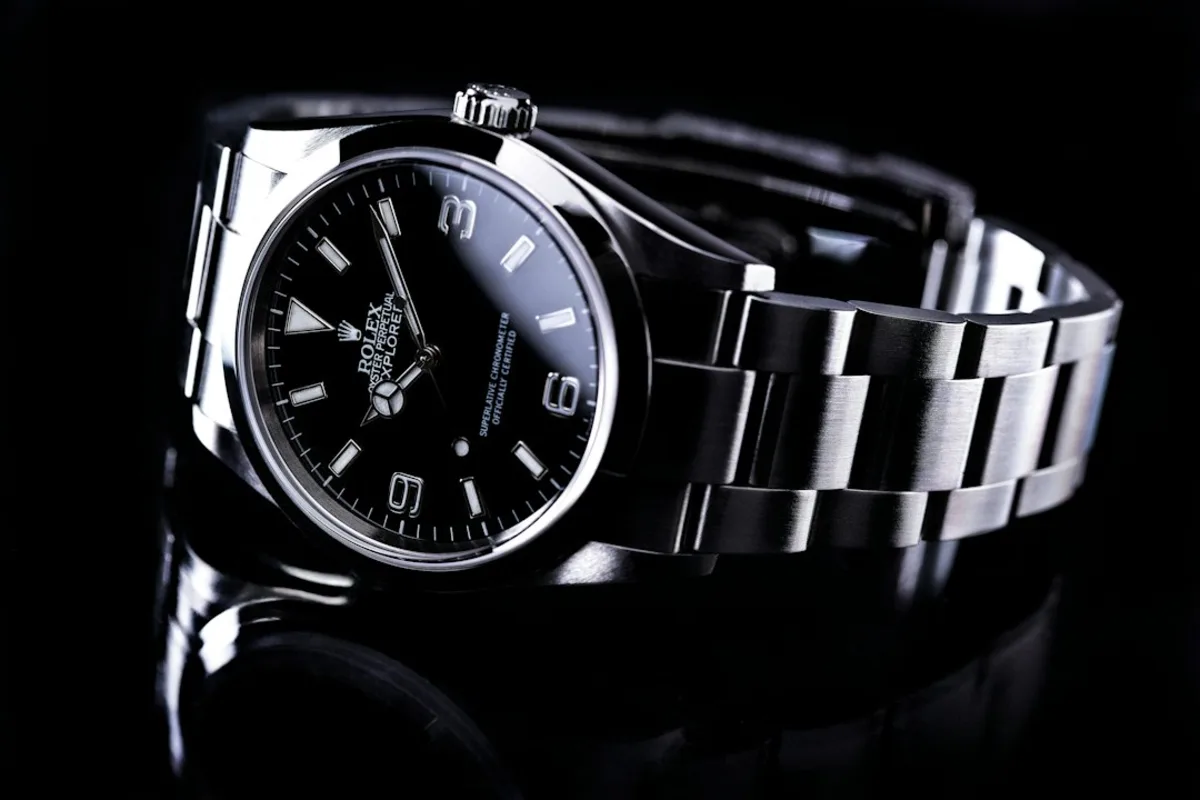
Rolex Explorer vs Explorer II: Which One Is for You?
They share a name, but the Explorer and Explorer II are very different watches. One is a pared-back three-hander, the other a 42mm GMT with a fixed 24-hour bezel.