Best Sports Watches 2026: GPS Trackers to Mechanical Chronos
From a £40 G-Shock to a £9,800 Breitling chronograph, the right sports watch depends on what you're actually doing. Here's what we'd recommend for running, swimming, motorsport, and everything in between.
About this article: this is an informational article based on public sources: manufacturer specifications, published hands-on reviews by other outlets, owner feedback and current prices. We have not tested the watch ourselves, we are watch enthusiasts rather than professional journalists, and nothing here is buying advice. No brand paid for it. Our method
📑 Table of Contents
Finding the best sports watches starts with understanding that "sports watch" covers a huge amount of ground. It can mean a £40 Casio for casual jogging, a £1,000 Garmin Fenix for ultra-marathons, or a £9,800 chronograph for the pit lane. Owners who buy a watch for the wrong use case tend to be disappointed: a mechanical chronograph is not built for lap-swimming, and a GPS multisport watch is overkill if you just want something that survives the gym without fuss.
So let's be specific. This guide covers each use case with a top pick and a runner-up where it matters.
Best for Running and Multisport: Garmin Fenix 7X Sapphire Solar
If you're serious about running, cycling, or triathlon, you've probably already come across the Fenix line. The Fenix 7X Sapphire Solar is the flagship, and on paper it's an absurd amount of watch. Multi-band GPS that reviewers report holds up well in urban canyons. Preloaded topographic maps. Training metrics deep enough to make Strava look basic.
Battery life is rated at 37 days with solar charging, and owners commonly report getting close to that in practice with only occasional top-ups. Garmin's solar charging is widely regarded as one of the more effective implementations on the market rather than a gimmick, with owners noting a visible difference after leaving the watch in daylight for an afternoon. The sapphire lens adds scratch resistance, and the build (titanium bezel, reinforced case back, MIL-STD-810 rating) is aimed squarely at people who bang their watch around outdoors.
Downsides? It's enormous. The case is 51mm, so if you have small wrists, the Fenix 7S (42mm) is the better fit. It's not cheap either, though Garmin devices tend to hold their resale value better than most smartwatches.
Why this beats a Suunto or an Apple Watch: reviewers consistently rate the GPS accuracy above both rivals, and the battery life means it can genuinely be used across multi-day events without a charger. The Apple Watch Ultra 2 is excellent, but expect to charge it every other day if you're tracking workouts regularly.
Best for Daily Sports Wear: Casio G-Shock GW6900
This is the watch to reach for when you don't want to think about whether it will survive whatever you're about to do to it.
Solar power, atomic timekeeping (it syncs via radio signal, so accuracy isn't really in question), 200m water resistance, and an effectively indestructible resin case. The GW6900 has built a reputation over years as one of the toughest watches you can buy for the money, with owners routinely reporting mountain biking, sea swimming and general daily abuse without issue. There's no battery to replace, since the solar cell handles that.
It costs around £100, sometimes less on sale.
It's not smart. No GPS, no heart rate monitor, no apps, just time, a stopwatch and an alarm. That's rather the point: for CrossFit or five-a-side football, you don't want to be worrying about scratching a £5,000 watch. The G-Shock is built to take that abuse and keep going.
The GW6900 specifically has three time zones and world time, useful if you travel. Its negative display (dark background, light digits) reads as more grown-up than the standard G-Shock layout, though it's still unmistakably a G-Shock. You know what you're getting.
The Casio Duro (MDV106) is worth a mention as a runner-up, a £50 dive watch that punches well above its price. 200m water resistance, day-date, rotating bezel, and a look that's more "proper tool watch" than its price suggests. But the G-Shock edges it out on sheer durability.
Best Sports Chronograph: TAG Heuer Carrera
For a mechanical sports watch with genuine heritage, the TAG Heuer Carrera is the obvious choice. Its motorsport lineage goes back to 1963. The modern 39mm case is widely considered the right size (earlier Carreras ran larger and less balanced), and the in-house TH20-00 movement is well regarded, with an 80-hour power reserve and COSC certification.
The case proportions and dial layout make it a watch that reads as dressy enough for a suit and sporty enough for jeans and a t-shirt, which is presumably why it turns up so often in both contexts. The panda dial (white with black subdials) is generally considered the best-looking configuration, though the all-black version has its own following.
Why this over a Speedmaster or a Daytona? The Speedmaster is more famous, but it's also thicker on the wrist according to its published dimensions, which makes it harder to wear casually. The Daytona is effectively unobtainable at retail, with grey-market prices well into the tens of thousands. The Carrera, at around £4,500 retail and often less, is actually available, wearable day to day, and carries motorsport credentials that aren't just marketing.
Is it a sports watch in the Garmin sense? No, it won't track your VO2 max. But if "sports watch" means a chronograph you could wear to the gym, the race track and dinner afterwards, this is the one.
Best Value Sports Watch: Garmin Fenix 5
The Fenix 5 is several generations old now (released in 2017), which is exactly why it represents good value. Used examples go for around £200 to £300, and they still cover most of what the Fenix 7X does: GPS tracking, heart rate monitoring, dozens of sport modes, smart notifications.
What you lose compared with the 7X: an older GPS chipset (so slightly less accurate), shorter battery life (around two weeks in smartwatch mode versus 37 days), no solar charging, and a slower interface. But for a runner on a budget who wants proper training metrics, it remains hard to beat, and it's a frequently recommended option in used-watch buying guides for exactly that reason.
Garmin's free Coach training plans work on the Fenix 5 just as well as on newer models, and owners training for first marathons commonly cite the mapping feature as genuinely useful when running unfamiliar routes.
The Fenix 5 also looks smarter than most GPS watches, with a stainless bezel and proper buttons rather than an all-plastic build. It's not dress-watch territory, but it's closer than most fitness trackers manage.
Premium Sports Choice: Tudor Black Bay Pro
For a luxury sports watch that can genuinely handle 200m of water resistance and an in-house movement built to a high standard, the Black Bay Pro at around £4,000 is hard to beat.
It's a GMT, giving a second time zone. The fixed bezel (rather than the rotating bezel on the standard Black Bay) keeps the profile slim, and the 39mm case wears smaller on paper than the Rolex Explorer II it takes inspiration from. The yellow GMT hand is the kind of detail that will either make or break the watch for a given buyer; it's a design choice that works, in our view.
The bracelet is widely praised in reviews as a proper tool-watch bracelet, with fitted links and solid end pieces, and the clasp includes micro-adjustments that owners report are genuinely useful when wrist size changes through the day.
The movement (the MT5652) has a 70-hour power reserve and a silicon hairspring, making it resistant to magnetic interference, a genuinely useful trait for anyone who takes a watch off for a few days and expects it to still be keeping reasonable time when they put it back on.
Why this over a Rolex Submariner? The Submariner is around £7,500 and notoriously difficult to buy at retail. The Black Bay Pro is around £4,000 and available through Tudor authorised dealers without the waiting-list game. We'd also argue the Pro's proportions are the more successful of the two designs, whereas the Sub can feel like it's leaning too hard on its own iconography.
Honourable Mentions
Apple Watch Ultra 2: If you're already in the Apple ecosystem, the Ultra 2 is widely regarded as excellent for swimming and cycling, with the best smartwatch fitness tracking currently available. The trade-off is frequent charging and a shorter useful lifespan before the hardware feels dated, whereas a Fenix 7X should still be perfectly usable years from now.
Omega Seamaster Aqua Terra: A sports watch for people who don't want to look like they're wearing one. Dress-watch aesthetics, 150m water resistance, an anti-magnetic movement, and a starting price around £5,500. Handsome, but not the watch we'd suggest for the gym.
Seiko Prospex SPB143 (62MAS reissue): A vintage-inspired dive watch that works well as an everyday sports watch, with 200m water resistance, well-regarded lume and bracelet, at around £1,000. The one caveat is the 6R35 movement, which isn't COSC-accurate and runs to a published tolerance of around +/- 15 seconds a day.
How to Choose by Sport
Running and multisport: Garmin Fenix 7X. GPS accuracy, training load metrics, and battery life built for ultra-distance events.
CrossFit and gym: Casio G-Shock GW6900. Barbells and dumbbells aren't kind to watches, so something cheap and indestructible makes sense.
Cycling: Garmin Fenix 7X with a chest HR strap (wrist-based heart rate is generally considered less accurate on a bike). Or use a dedicated bike computer and wear whatever watch you like.
Swimming: Apple Watch Ultra 2 or Garmin Fenix 7X. Both track laps automatically and handle pool chemistry fine according to their specifications. The Fenix has the better battery life, the Apple Watch the better screen.
Motorsport (or just the look): TAG Heuer Carrera. Chronograph, genuine heritage, and a design that wears well both on and off the track.
The Bottom Line
For pure athletic capability, the Garmin Fenix 7X Sapphire Solar wins. Multi-band GPS, 37-day battery, training metrics that border on obsessive. It's expensive, but for serious training it arguably pays for itself in data.
For tough, low-maintenance reliability, the G-Shock GW6900. Solar, atomic, effectively indestructible, and around £100.
For mechanical chronograph appeal with real motorsport heritage, the TAG Heuer Carrera. It looks the part, wears well by all accounts, and carries 60 years of racing history.
And for one watch that covers gym durability and evening smartness, the Tudor Black Bay Pro. Around £4,000, available now, and built to a standard that should outlast most trends.
Each of these earns its place for a specific kind of use. Match the watch to what you're actually doing, and you won't be disappointed.
Written by
RevieWatches Editorial Team
RevieWatches is an independent, informational watch site. We research specifications, track pricing across retail and grey markets, and summarise what published...
More in Sports Watches
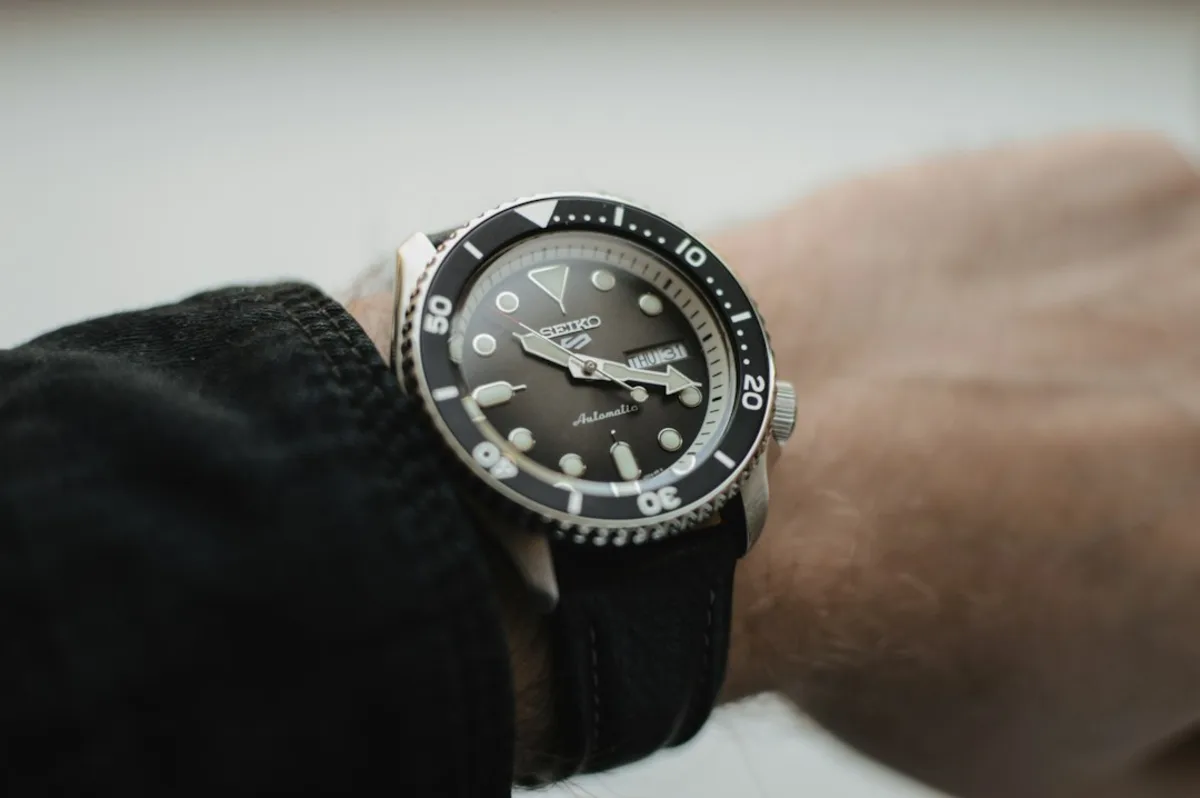
What Is a Tool Watch? A Clear Definition
Tool watch is one of the most used and least defined terms in watch collecting. Here is what it actually means, and the features that separate a real tool from a watch that just looks like one.
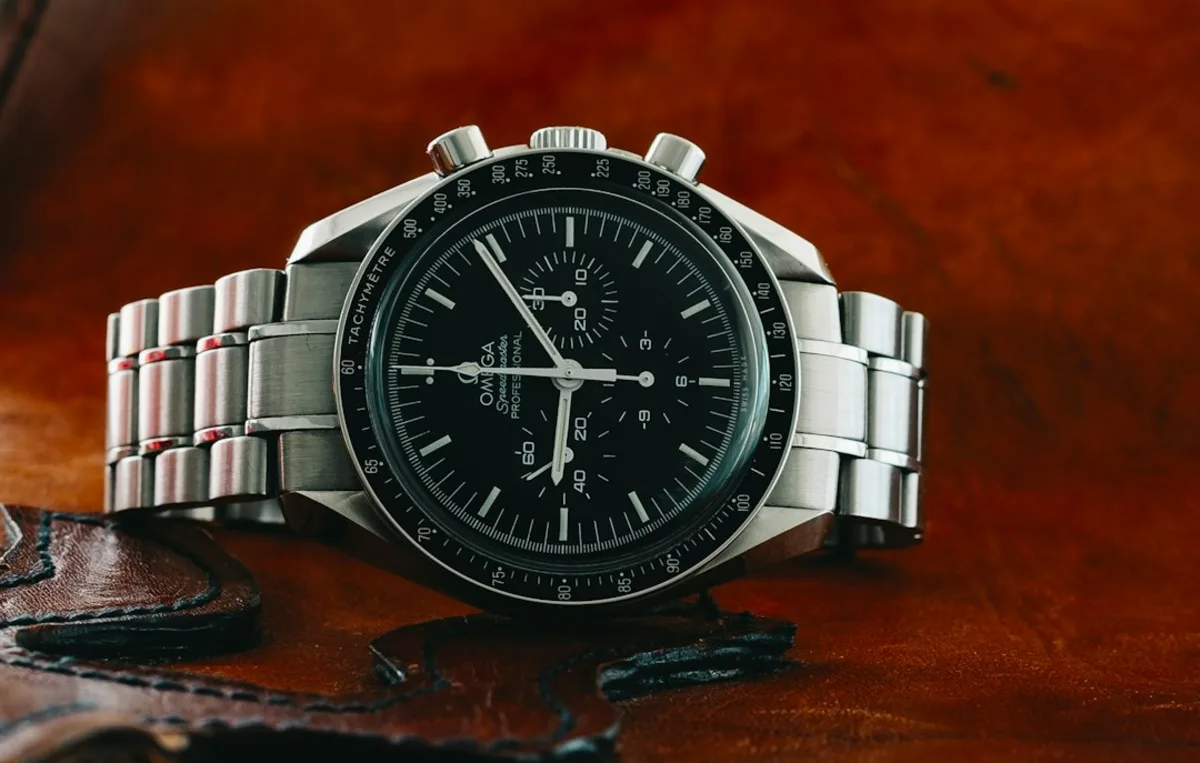
Omega Speedmaster Moonwatch Buying Guide: Hesalite or Sapphire?
The Moonwatch has barely changed in decades, but the choice between versions still matters. Here is what separates the Hesalite and Sapphire Sandwich models, and the older calibres.
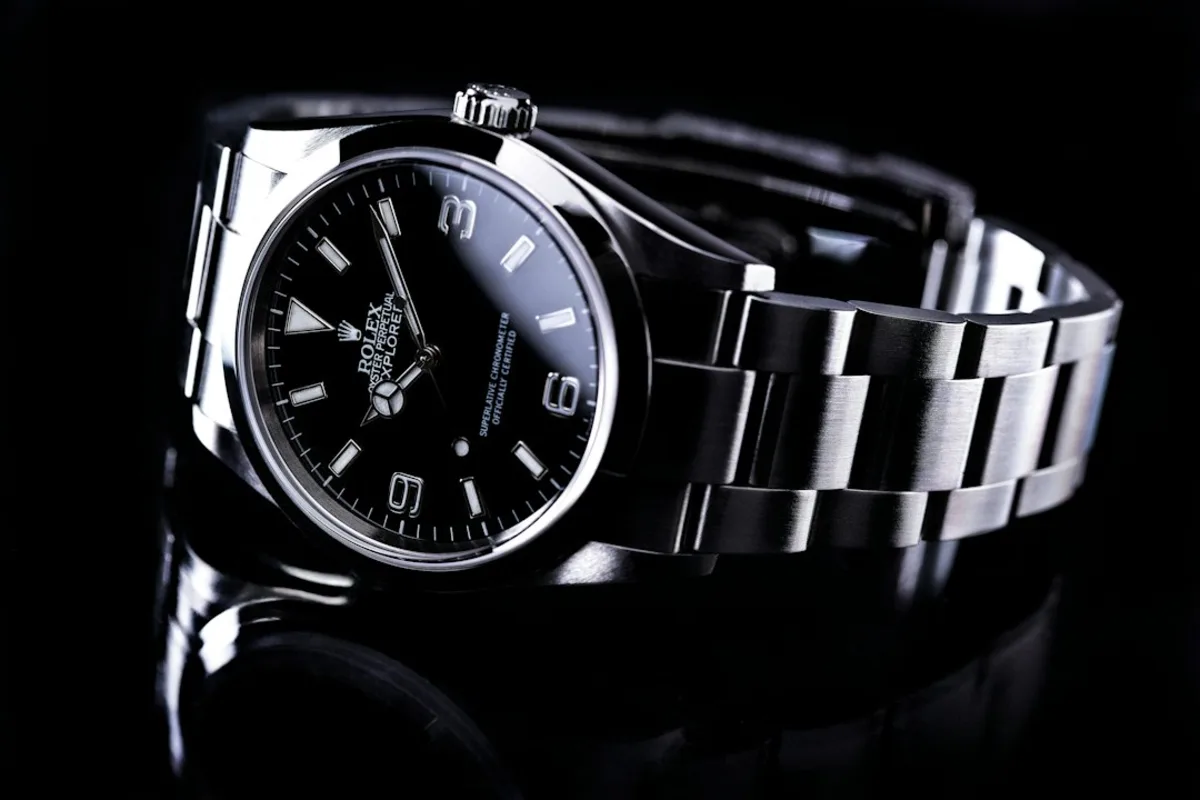
Rolex Explorer vs Explorer II: Which One Is for You?
They share a name, but the Explorer and Explorer II are very different watches. One is a pared-back three-hander, the other a 42mm GMT with a fixed 24-hour bezel.