What Is a Tool Watch? A Clear Definition
Tool watch is one of the most used and least defined terms in watch collecting. Here is what it actually means, and the features that separate a real tool from a watch that just looks like one.
About this article: this is an informational article based on public sources: manufacturer specifications, published hands-on reviews by other outlets, owner feedback and current prices. We have not tested the watch ourselves, we are watch enthusiasts rather than professional journalists, and nothing here is buying advice. No brand paid for it. Our method
📑 Table of Contents
What is a tool watch? The term is everywhere in watch reviews and forums, yet it is rarely defined. Put simply, a tool watch is a watch designed first and foremost to do a job reliably in demanding conditions. Its design follows its function, and anything decorative comes second.
The Core Idea
A dress watch is designed to look elegant. A tool watch is designed to be useful. That usually means it is legible at a glance, robust enough to survive knocks, water and temperature changes, and equipped with a specific function, such as timing a dive, tracking a second time zone or measuring elapsed time.
Many of the most famous watches in history began as tools: dive watches for navy divers, chronographs for racing drivers and pilots, and field watches for soldiers.
Features That Define a Tool Watch
- Legibility: high-contrast dials, large markers and hands, and strong luminous material for low light.
- Robustness: solid cases, scratch-resistant crystals and good shock resistance.
- Water resistance: usually at least 100 metres, often with a screw-down crown.
- A purposeful function: a dive bezel, a chronograph, a GMT hand, a slide rule, or simply clear time-telling in hard conditions.
- Serviceability: a movement that can be maintained and repaired for decades.
The Main Types of Tool Watch
Dive Watches
Dive watches have a unidirectional rotating bezel for timing a dive, strong lume and high water resistance. The international standard for dive watches, ISO 6425, sets out requirements including a minimum water resistance of 100 metres, legibility in darkness and a way of measuring elapsed dive time.
Pilot Watches
Pilot watches prioritise legibility, often with large numerals and oversized crowns designed for use with gloves. Some include a chronograph or a slide rule bezel for flight calculations.
Field Watches
Field watches trace back to military issue watches: simple, legible, tough and easy to read. They are among the most affordable tool watches and some of the most versatile.
GMT and Travel Watches
A GMT watch tracks a second time zone with a 24-hour hand, originally for airline pilots crossing time zones.
Chronographs
A chronograph adds a stopwatch function, historically used for timing races, flights and scientific work.
Are Luxury Tool Watches Still Tool Watches?
Many of today's most coveted luxury watches, including the Rolex Submariner and the Omega Speedmaster, started life as genuine tools. Today most of them are bought as everyday watches and status objects rather than equipment. They still have the capability, but their role has shifted. I think the fair answer is that they remain tool watches by design, even if very few owners use them as tools.
Tool Watch vs Smartwatch
A smartwatch can do far more than any mechanical tool watch, from GPS to heart rate. But traditional tool watches are designed to work without charging, for years at a time, and to be repairable decades from now. For many people that independence is the appeal.
How to Choose a Tool Watch
- Start with what you actually do: swimming and diving point to a dive watch, travel to a GMT, general outdoor use to a field watch.
- Prioritise legibility and water resistance over complications you will never use.
- Consider size and weight carefully, since a tool watch should be comfortable enough to forget about.
- Choose a movement that is easy to service where you live.
Good Places to Start
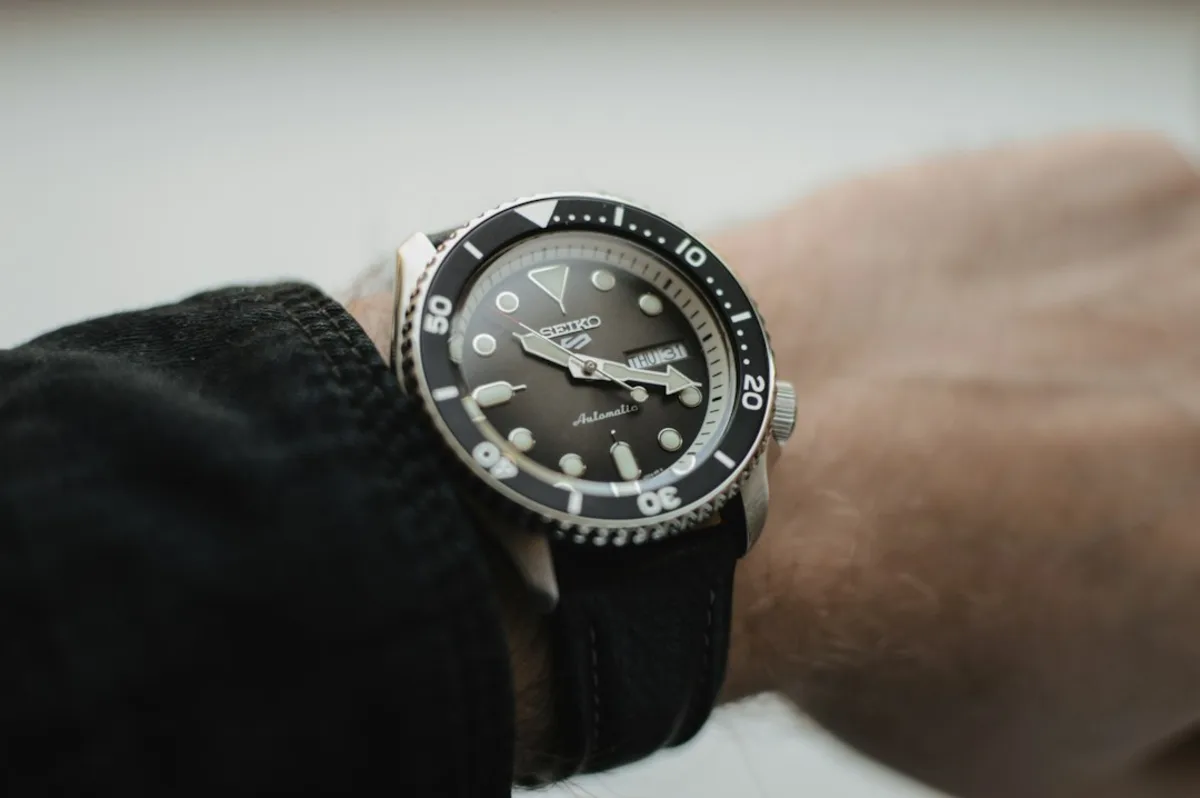
Affordable options with genuine tool watch credentials include automatic divers such as the Seiko 5 Sports and Orient Mako II, and field watches such as the Hamilton Khaki Field Mechanical. At the higher end, the Tudor Black Bay, Rolex Submariner and Omega Speedmaster show how far the tool watch has travelled from its working origins.
Related reading
- What Is a Field Watch? A Buyer's Guide
- What Makes a Pilot Watch? The Flieger Story
- ISO 6425 Explained: What Actually Makes a Dive Watch a Dive Watch
Frequently Asked Questions
What makes a watch a tool watch?
A tool watch is designed around a practical job: clear legibility, robust construction, useful water resistance and a specific function such as a dive bezel, chronograph or GMT hand.
Is a dive watch a tool watch?
Yes. Dive watches are one of the best-known types of tool watch, with rotating bezels for timing dives, strong lume and high water resistance.
Is a Rolex Submariner still a tool watch?
By design, yes. It was created as a dive watch and still has the capability, even though most owners today wear it as an everyday luxury watch rather than diving equipment.
What is a good first tool watch?
Affordable options such as the Seiko 5 Sports, the Orient Mako II and the Hamilton Khaki Field Mechanical are widely recommended starting points.
Written by
RevieWatches Editorial Team
RevieWatches is an independent, informational watch site. We research specifications, track pricing across retail and grey markets, and summarise what published...
More in Sports Watches
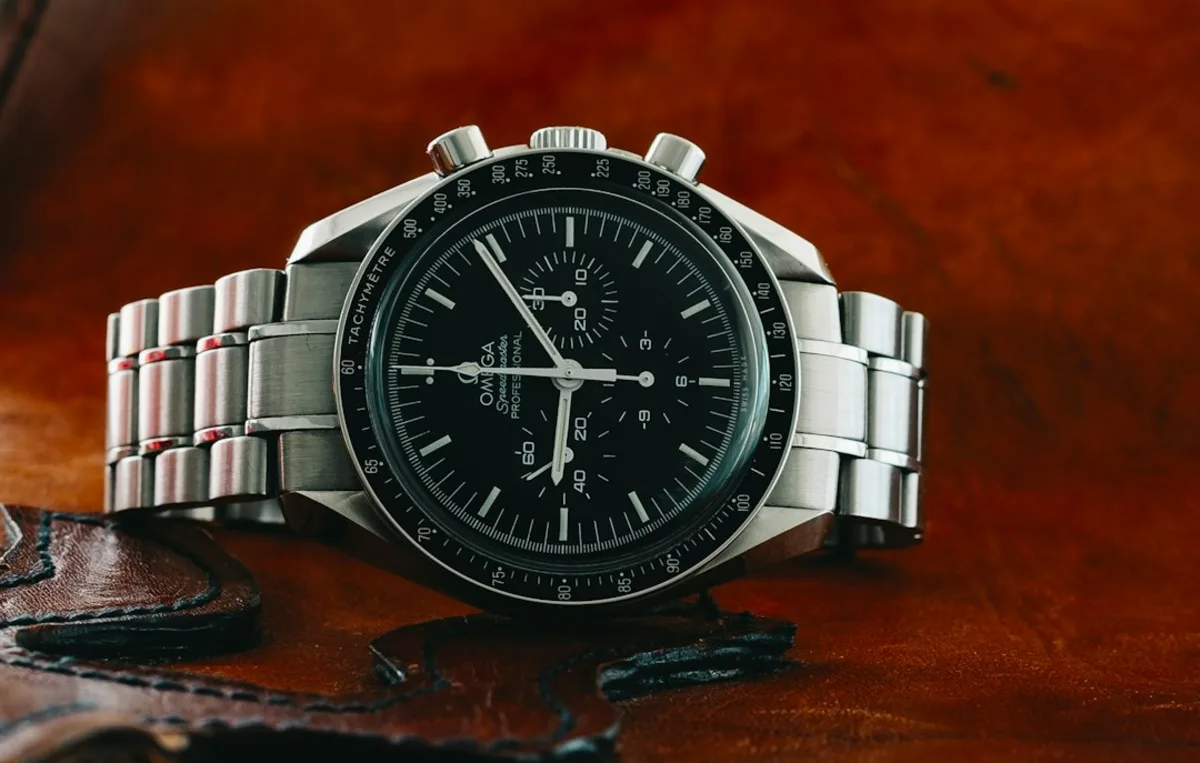
Omega Speedmaster Moonwatch Buying Guide: Hesalite or Sapphire?
The Moonwatch has barely changed in decades, but the choice between versions still matters. Here is what separates the Hesalite and Sapphire Sandwich models, and the older calibres.
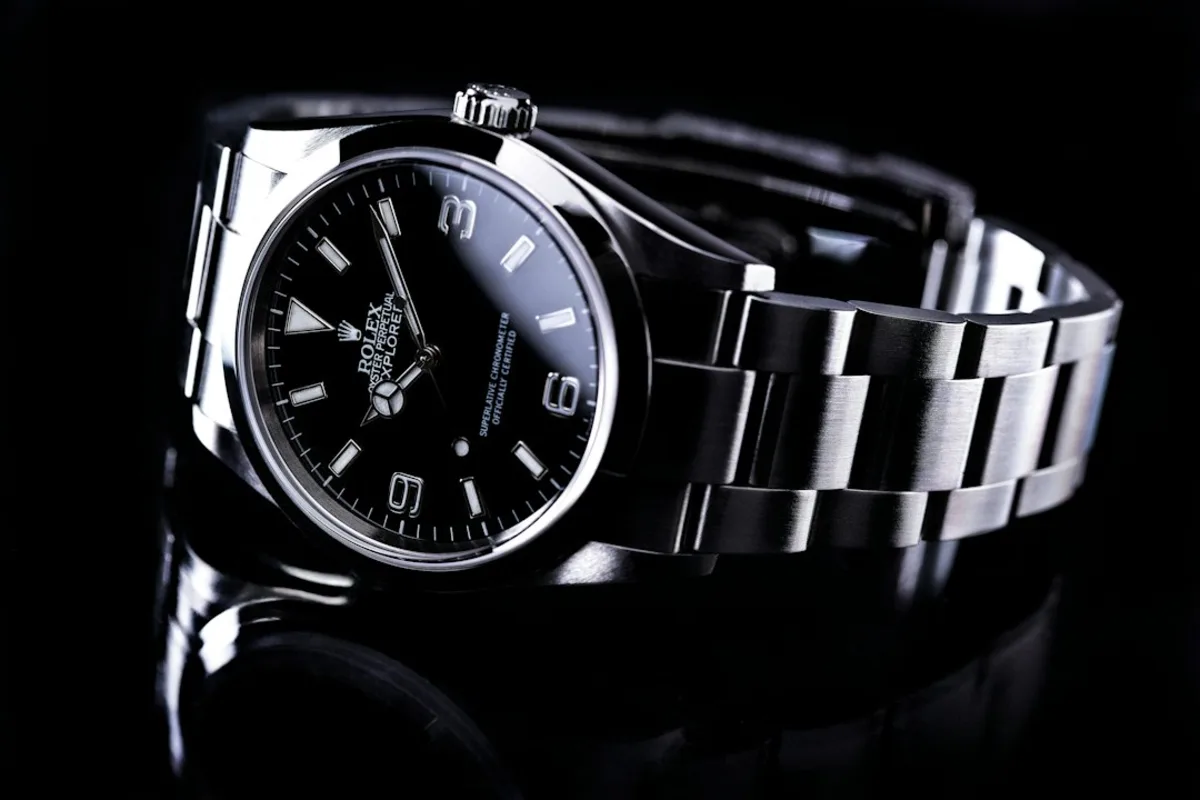
Rolex Explorer vs Explorer II: Which One Is for You?
They share a name, but the Explorer and Explorer II are very different watches. One is a pared-back three-hander, the other a 42mm GMT with a fixed 24-hour bezel.
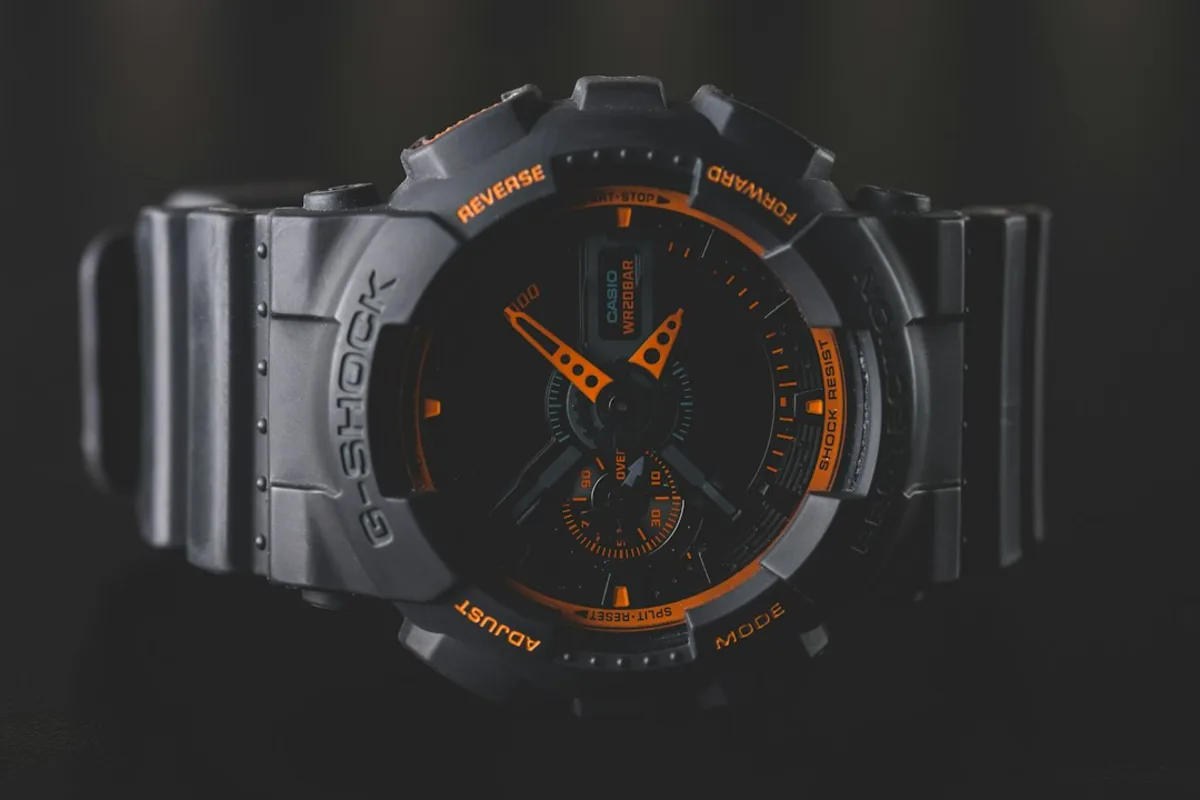
Casio G-Shock Buying Guide: Which Series Is Right for You?
Casio's G-Shock range runs from ten-quid resin squares to four-figure titanium dive watches. Here's how to work out which tier actually suits how you live, not just how it looks on a wrist shot.