What Makes a Pilot Watch? The Flieger Story
From 55mm navigation instruments strapped to aviators' thighs to the wrists of collectors today, the flieger watch tells a story of purpose-built design that refuses to die.
About this article: this is an informational article based on public sources: manufacturer specifications, published hands-on reviews by other outlets, owner feedback and current prices. We have not tested the watch ourselves, we are watch enthusiasts rather than professional journalists, and nothing here is buying advice. No brand paid for it. Our method
📑 Table of Contents
I've got a thing for pilot watches. Not the modern overstyled chronographs with fake slide rules and three sub-dials you'll never use. I mean proper flieger pilot watches. The ones with massive numerals, triangles at twelve, and a dial designed to be read at a glance in a cockpit. There's a reason that design refuses to die more than eighty years later, and it's got nothing to do with fashion.
The B-Uhr: Navigation on Your Wrist (Sort Of)
Let's go back to the 1930s. German military aviation was expanding fast, and it needed watches that could do a specific job: help navigators fix their aircraft's position using an octant. These weren't wristwatches in the sense we'd recognise today. They were observation watches, Beobachtungsuhren, abbreviated to B-Uhr. Think navigation instruments that happened to strap onto a human.
The cases were 55mm. Fifty. Five. Millimetres. Absurd by wrist standards. They had to be that large because they housed movements originally designed for pocket watches. These weren't casual watches. Pilots strapped them over their flight suits, sometimes on their thighs. The size wasn't a design flourish. It was necessity.
Every B-Uhr had a few things in common. Hacking seconds, so time could be synchronised precisely by pulling the crown. A soft iron inner cage to protect the movement from magnetic fields, which were everywhere in an aircraft cockpit. Massive legibility, because reading the time while navigating at altitude in poor light wasn't optional. And all of them were tested and certified by the German Naval Observatory, adjusted in six positions and three temperatures. These were precision instruments first, watches second.
Type A and Type B: Two Ways to Tell Time
Here's where it gets interesting. There were two dial designs, and both are still copied relentlessly today.
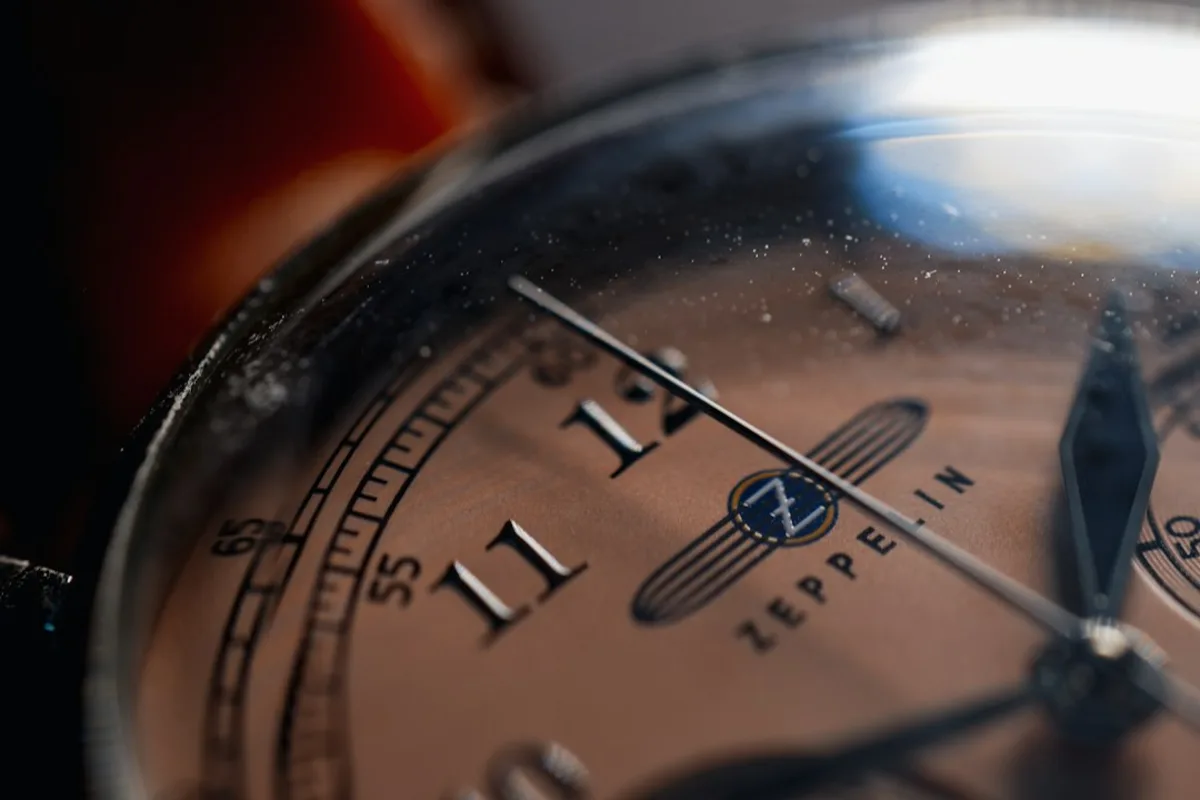
The Baumuster A, made from 1940 to January 1941, had hour numerals from 1 to 11 arranged normally around the dial. At twelve o'clock, instead of a numeral, there was a triangle with a dot on either side. Clean, simple, unmistakable orientation even in the dark. The triangle became iconic. You see it on pilot watches now and know exactly what lineage they're claiming.
Then came the Baumuster B in January 1941. This one flipped the script. Large minute numerals, 5 to 55, dominated an outer ring. Inside that, a smaller hour ring. The logic was sound. When navigating, minutes and seconds matter more than hours, so the important information was made bigger. It's a brilliant bit of functional design, and it looks fantastic. Type B dials have a busy, technical look that reads as more overtly aviation than the cleaner Type A. Both work. Both have their fans.
Five manufacturers made these watches: A. Lange & Söhne, Laco (then Lacher & Co), Stowa (then Walter Storz), Wempe (then Chronometerwerke Hamburg), and IWC. Each built to the same exacting spec. You couldn't tell them apart at a glance, and that was the point. Standardisation. Interchangeability. These were tools.
Why Flieger Design Still Works
So why do we still want these designs? Why does nearly every watch brand with even a tenuous connection to aviation history make a flieger homage?
Because the design works. It's legible, genuinely and meaningfully so, in a way that most modern watches aren't. A good flieger dial can be read in a half-second glance thanks to the high contrast, the simple layout, and the lack of visual clutter, all of which serve the original purpose of reading the time instantly under difficult conditions.
And there's an honesty to it. Flieger watches don't pretend to be anything they're not. No fake patina, no invented vintage backstory, no lifestyle marketing about adventure. Just a dial, some numbers, maybe a triangle. The design language is strong enough that it doesn't need embellishment.
I also think there's something appealing about a design that came from genuine necessity rather than a marketing meeting. The B-Uhr wasn't created to sell units. It was created because aviators needed to navigate, and it needed to work or people died. That sounds dramatic, but it's true. A modern flieger carries the echo of that seriousness of purpose.
What to Look For in a Modern Flieger
If you're thinking about buying a flieger-style watch today, here's what actually matters.
First, legibility. This should be obvious, but plenty of modern pilot watches mess it up with busy dials, too many complications, or poor lume. A good flieger should be instantly readable. A dial that demands squinting or tilting the wrist to catch the light isn't doing its primary job.
Lume quality is huge. The original B-Uhrs used radium, which glowed continuously (and also slowly killed you, but that's another story). Modern watches use Super-LumiNova or similar. Look for lume that's genuinely bright and rated to last well through the night. Owners of cheaper fliegers commonly report weaker lume performance, so it's worth checking specifications rather than assuming.
Hacking seconds. The crown should stop the seconds hand when pulled out. This was essential in the originals for synchronisation, and it's still a nice feature today. Not a dealbreaker if it's missing, but it shows attention to the heritage.
The crown itself is usually large, sometimes called an onion crown. Easier to grip with gloves on. On a modern watch, gloves are unlikely, but the large crown is part of the aesthetic and owners often note it makes winding more comfortable.
Size is tricky. The originals were 55mm, which would be unwearable for most people today. Modern fliegers range from 36mm to 44mm. I'd argue that anything over 42mm starts to lose the point. These were tools, not statement pieces. A 40mm flieger, based on typical case dimensions in that range, should sit comfortably on most wrists and keep the spirit of the design without overwhelming it.
Dial type is personal. Type A is cleaner, more versatile. It can be worn with a suit if you're so inclined, though that slightly misses the point. Type B is more technical, busier, more overtly a pilot watch. I lean towards Type A as the more everyday option, but I understand the appeal of Type B. Both are correct.
The Brands That Still Make Them
Three of the original five manufacturers are still around and still making pilot watches: Laco, Stowa, and IWC.
Laco and Stowa both offer modern interpretations at various price points. They're honest about their heritage, they don't try to inflate their importance, and they make good watches. Both do Type A and Type B dials. Both understand what made the originals work. If you want a flieger without spending stupid money, either brand is a solid choice.
IWC took a different path. It's now a luxury brand under the Richemont umbrella, and its Big Pilot watches are expensive, well-made, and frankly enormous. IWC has leaned into the oversized aesthetic in a way that feels more modern luxury than wartime utility. The craftsmanship is respected, but at a certain point, you're paying for brand prestige more than the functional design that made fliegers compelling in the first place.
There are also countless homages from brands that had nothing to do with the original B-Uhrs. Some are good. Many are cynical cash-grabs trading on the flieger aesthetic without understanding it. A flieger with a date window at 3 o'clock, cutting through the numerals, misses the point entirely. The design is about clarity, and a date window breaks that.
Does It Still Mean Anything?
Here's the uncomfortable question. Does wearing a pilot watch mean anything when you're not a pilot, when aviation has moved on to GPS and glass cockpits, when the octant navigation these watches were built for is a museum curiosity?
I think it does, but not in the way marketing departments want you to believe. It's not about channelling the spirit of aviation. It's about wearing a piece of design that solved a real problem elegantly, and that elegance has survived because it's genuinely good design, not just nostalgia.
The flieger dial is as readable today as it was in 1940. That triangle at twelve still gives instant orientation. The high contrast still works in low light. The simplicity still cuts through visual noise. Those things don't expire just because their original context has changed.
And there's value in wearing something that was built for a reason beyond selling a lifestyle. The best watches, the ones that last, came from necessity. Dive watches for saturation diving. Racing chronographs for timing laps. Pilot watches for navigation. Strip away the marketing and ask what the watch needed to do, and you tend to get better design.
Fliegers are a reminder that form following function produces beauty almost accidentally. Nobody set out to make an iconic design. They set out to make a navigation instrument that worked, and seventy years later, we're still copying it because they got it right the first time.
That's worth something.
Written by
RevieWatches Editorial Team
RevieWatches is an independent, informational watch site. We research specifications, track pricing across retail and grey markets, and summarise what published...
More in Pilot & Aviation
Best Pilot Watches 2026: IWC, Breitling, Hamilton & More
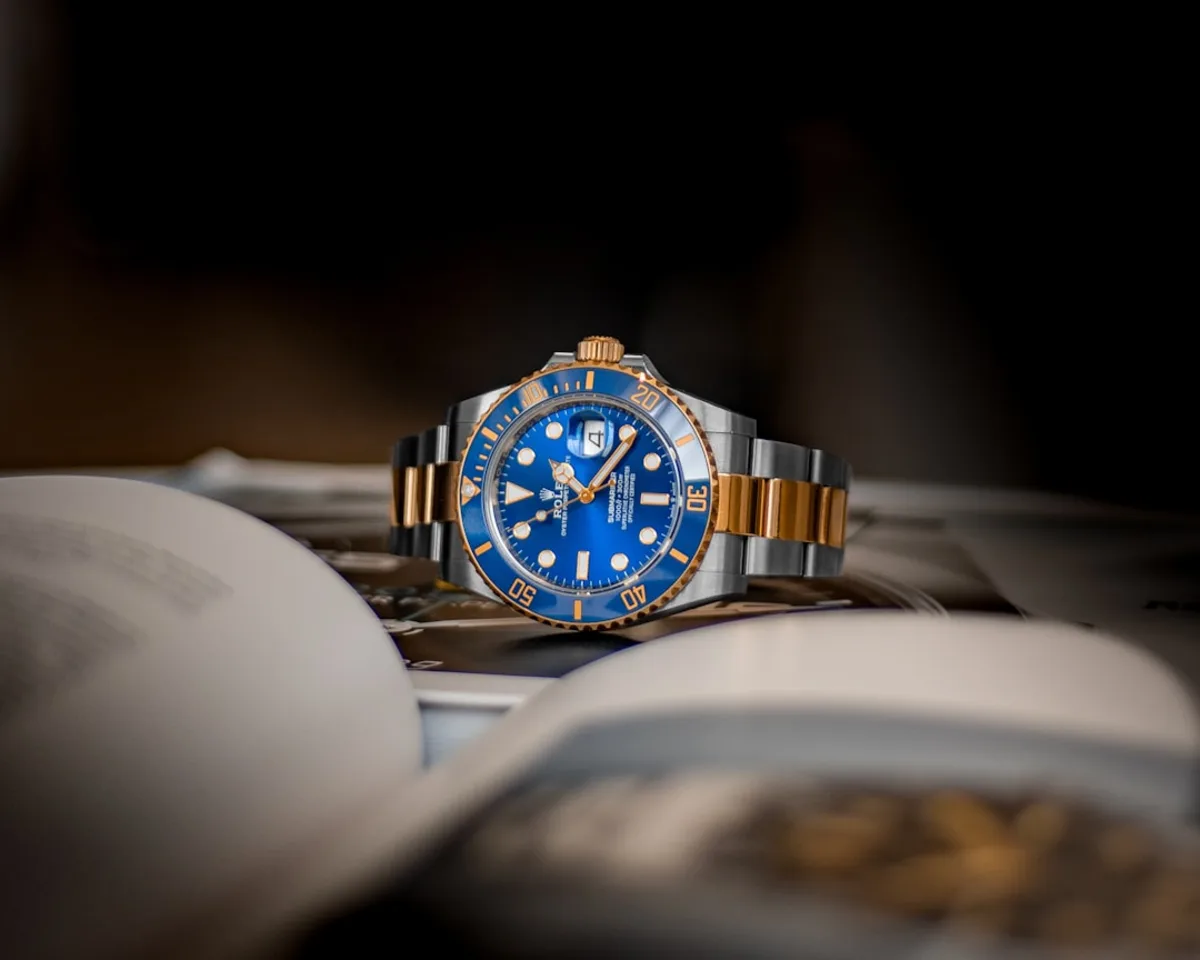
From IWC's clean dial perfection to Breitling's slide-rule genius, here are the pilot watches actually worth considering in 2026.
IWC Mark XVIII: The Pilot's Watch That Actually Works
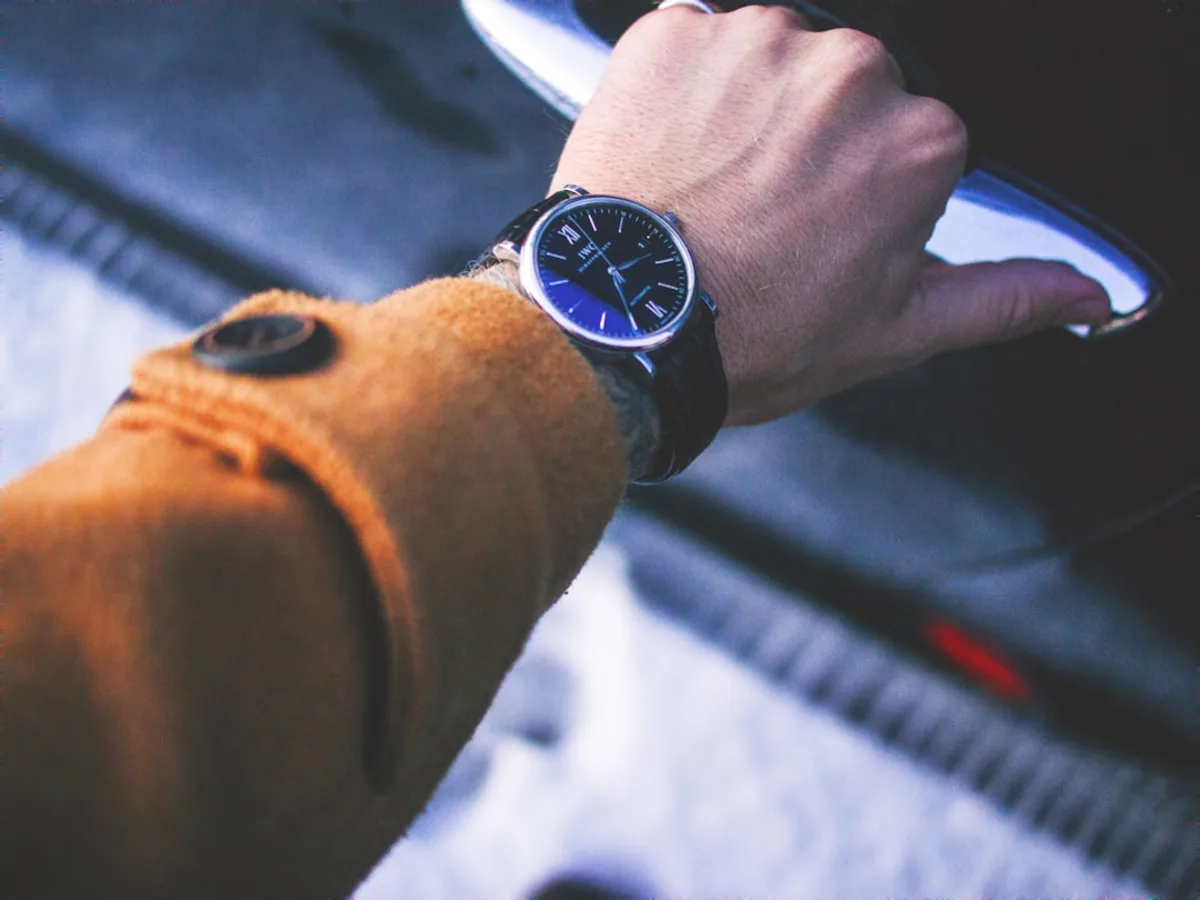
Researching the IWC Mark XVIII closely, I've come to think this is what a pilot's watch should be: legible, antimagnetic, unfussy, and sized for actual human wrists.
Breitling Navitimer B01: A Closer Look at Aviation's Most Famous Watch
This article examines whether the Navitimer's slide-rule bezel is gimmick or genius, based on its specifications, history and what owners and reviewers commonly report. Turns out, it's both, and that's exactly why it works.