Best Pilot Watches 2026: IWC, Breitling, Hamilton & More
From IWC's clean dial perfection to Breitling's slide-rule genius, here are the pilot watches actually worth considering in 2026.
About this article: this is an informational article based on public sources: manufacturer specifications, published hands-on reviews by other outlets, owner feedback and current prices. We have not tested the watch ourselves, we are watch enthusiasts rather than professional journalists, and nothing here is buying advice. No brand paid for it. Our method
📑 Table of Contents
- Best Pure Pilot Watch: IWC Pilot's Watch Mark XVIII
- Best Pilot Chronograph: Breitling Navitimer B01 Chronograph
- Best Value Pilot Watch: Hamilton Khaki Aviation Pilot Auto
- Best Tool Pilot Watch: Citizen Promaster Sky CB5848
- Best Vintage-Style Pilot Watch: Laco Augsburg 42
- Best Modern Pilot Watch: Bell & Ross BR 03-92
- How to Choose Your Pilot Watch
- Final Thoughts
Pilot watches remain, in my view, the most honest tool watch category going. There's no manufactured backstory about dive depths nobody reaches, no motorsport tie-in with a brand that's never been near a pit lane. These are watches designed for actual pilots who needed to tell the time at altitude while wearing gloves.
The core DNA hasn't changed since the 1940s: clean dials you can read in turbulence, large crowns you can operate in winter flight gloves, and that signature triangle at 12 o'clock flanked by dots (the B-Uhren trademark). Some add slide-rule bezels for navigation calculations. Others strip everything back to pure legibility.
Here's what's actually good in 2026, from entry-level Swiss to mortgage-threatening grails.
Best Pure Pilot Watch: IWC Pilot's Watch Mark XVIII
The IWC Mark XVIII is close to the platonic ideal of a pilot's watch. If you asked someone to sketch a pilot watch from memory, they'd probably draw something very like this.
It traces its lineage back to the 1948 RAF Mark XI, and looking at surviving Mark XIs today, IWC appears to have changed remarkably little. Same proportions, same dial logic, same insistence that less is more.
The modern version runs the Cal. 35111 automatic movement, based on the Sellita SW300-1, so no need to get precious about in-house movements. It's antimagnetic to ISO 764, which matters if you're actually in a cockpit surrounded by avionics, and for everyone else it simply means the watch should be dependable and easy to service.
Case is 40mm, which sounds small on paper but is a genuinely practical pilot watch size, one that would slide under a flight suit cuff without protest. The dial is matte black with Arabic numerals and sword hands. No date window (though IWC does offer a date version).
This is the pilot watch I'd point to as the benchmark: clean, legible, historically grounded, and understated enough not to shout in a meeting.
Best Pilot Chronograph: Breitling Navitimer B01 Chronograph
The Breitling Navitimer is the most "pilot" pilot watch on the market, assuming your definition of pilot includes someone who might actually use a slide-rule bezel for navigation calculations.
Few owners likely use it for actual flight planning today, but the circular slide rule has been part of the Navitimer since 1952 and it genuinely works: you can calculate fuel consumption, rate of climb and distance conversions. There are entire online communities dedicated to teaching people how to use it, which says something about how seriously the function is still taken.
The B01 movement is COSC-certified with a 70-hour power reserve. It's Breitling's in-house chronograph calibre, built around a column wheel and vertical clutch, and it's widely regarded as one of the best chronograph movements in its class.
The dial is busy, no point pretending otherwise. Three subdials, slide-rule markings, chronograph hands and a date window, it's a lot going on. But it all serves a function, and most owners report that it stops feeling cluttered and starts feeling complete once you live with it for a while.
This is the watch for people who want their pilot watch to actually do pilot things, or at least look convincingly like it could.
Best Value Pilot Watch: Hamilton Khaki Aviation Pilot Auto
Around £900, the Hamilton Khaki Aviation Pilot Auto answers the question of how to get a Swiss pilot watch without Breitling money.
It runs an ETA-based automatic (the H-10, with an 80-hour reserve), has a classic military aviation dial, and by most accounts wears like something costing considerably more. It's become a popular recommendation for people starting a collection.
The aesthetic leans more military field watch than cockpit instrument, which fits given Hamilton's history supplying the US military. Big Arabic numerals, a simple handset, date at 3 o'clock. The case is 42mm, brushed steel, and the lume is widely reported to be strong, well suited to reading the time in low light.
What you lose versus the IWC: finishing, brand cachet, antimagnetic protection. What you gain: several thousand pounds back in your pocket and a watch that does most of what the Mark XVIII does for a fraction of the price.
This is the one I'd recommend to anyone starting a collection. Wear it for a year, then decide if you need to spend more.
Best Tool Pilot Watch: Citizen Promaster Sky CB5848
Controversial take: the best actual tool watch for actual pilots in 2026 might be a £700 Citizen with Eco-Drive solar and radio-controlled atomic timekeeping.
It's quartz, yes. It has an LCD display alongside the analogue hands, and it looks like something you'd wear to a LAN party rather than a black tie dinner. And yet, for a commercial pilot flying transatlantic routes who needs one watch that always shows the correct time across multiple zones, never needs a battery change, and can survive being banged against overhead lockers, this makes a strong case.
The solar charging is reportedly bulletproof, with owners commonly noting that the watch keeps running even after long periods unworn. The atomic time sync means you're never more than a second off. The perpetual calendar accounts for leap years through 2100, and you can set four time zones simultaneously.
It's ugly in the way tool watches used to be ugly, before "tool watch" became a luxury marketing category. But by every account it works, and works well.
This is the one for pilots, frequent travellers, or anyone who values function over form and doesn't care what watch forums think.
Best Vintage-Style Pilot Watch: Laco Augsburg 42
Laco made B-Uhren watches for the Luftwaffe during World War II. That's documented history, not marketing, alongside IWC, A. Lange & Söhne, Stowa and Wempe.
The modern Laco Augsburg 42 is a faithful recreation of those original observer watches. A substantial 42mm case (small by original B-Uhr standards), matte black dial, cathedral hands, and the signature triangle and dots at 12. It runs a Miyota automatic movement, which keeps purists up at night but keeps the price under £500.
The oversized crown is, by most accounts, genuinely easier to operate with gloves than a standard crown, and the onion shape isn't purely decorative, it serves that grip function. The lume is reported to be strong enough for easy reading in the dark.
The Type A dial layout (large hour numerals from 1 to 12) is less common than Type B (large minute numerals on the outer ring with a small inner hour track), which gives it a more distinctive look. You don't see these on every wrist.
This is the watch for history enthusiasts who want an authentic B-Uhr silhouette without paying Lange money. Fair warning: the Wehrmacht connection understandably bothers some people, and it's worth considering whether you're comfortable with that heritage before buying.
Best Modern Pilot Watch: Bell & Ross BR 03-92
Bell & Ross makes watches shaped like cockpit instruments, square cases with circular dials inside. It could easily be a gimmick, but the design translates well to the wrist and becomes one of the more distinctive pilot watches available.
The BR 03-92 (42mm square case, which wears closer to 46mm round) has that instrument panel aesthetic down to the screws in the corners. The dial is matte black with white printing for maximum legibility, and the date window is integrated cleanly enough that it barely registers.
The movement is ETA-based, which is fine, since the appeal here is the case design rather than the movement. The case itself is polarising: people either love it or find it novelty. I'm firmly in the love camp.
According to Bell & Ross, the case is curved on the underside so it should sit against the wrist rather than perching flat like a tile. The strap is calfskin with a rubber liner, an unusual combination that reportedly works well in practice.
This is the watch for people bored of round cases who want something that looks like nothing else at the dinner table.
How to Choose Your Pilot Watch
By Use Case
Pure aesthetics and heritage: IWC Mark XVIII. You're buying into 70 years of design refinement.
Slide-rule function and chronograph: Breitling Navitimer B01. The only choice if you want that rotating bezel.
Daily wear on a budget: Hamilton Khaki Aviation. Swiss, reliable, looks great with everything from suits to T-shirts.
Modern tool functionality: Citizen Promaster Sky. Set it, forget it, never change a battery.
Vintage military aesthetic: Laco Augsburg 42. As close as you'll get to a WWII flieger without buying vintage.
Conversation starter: Bell & Ross BR 03-92. Unmistakable, modern, distinctive.
Key Pilot Watch Features to Look For
Triangle at 12 with flanking dots: The classic B-Uhr identifier. Not every pilot watch has this, but the ones that do are signalling their lineage back to German observer watches from the 1940s.
Large crown: Should be operable with gloves. If you can't grip it easily with bare fingers, it's not a real pilot watch.
Sword or syringe hands: Not necessarily better than other handsets, but they've become the signature pilot watch style. High contrast against the dial for legibility.
Antimagnetic protection: Matters if you're around cockpit electronics. For everyone else, it's a nice-to-have that suggests the watch was built to a serious spec.
Legible dial: This is non-negotiable. If you can't read the time at a glance in poor light, it's not doing its job. Matte black dials with white printing or white dials with black printing both work. Complicated dials with too much going on don't.
Final Thoughts
The IWC Pilot's Watch Mark XVIII wins for pure pilot watch design. It's the platonic form, the standard against which everything else gets measured.
The Breitling Navitimer wins for unique functionality. That slide-rule bezel remains the defining feature of aviation chronographs, and nobody does it better.
At entry level, the Hamilton Khaki Aviation is the best Swiss value going. You get most of the experience for a fraction of the price.
But here's the thing about pilot watches as a category: they're among the most wearable in horology. They work with a suit, jeans, a flight suit, hospital scrubs. The design language is neutral and functional enough that it never really clashes with anything.
Pilot watches earn their keep by doing one thing well: telling the time clearly. In an era of overwrought complications and manufactured heritage, that honesty feels genuinely rare.
Pick the one that fits your budget and wrist. Wear it, and enjoy the fact that it was designed with actual purpose, not just vibes.
Written by
RevieWatches Editorial Team
RevieWatches is an independent, informational watch site. We research specifications, track pricing across retail and grey markets, and summarise what published...
More in Pilot & Aviation
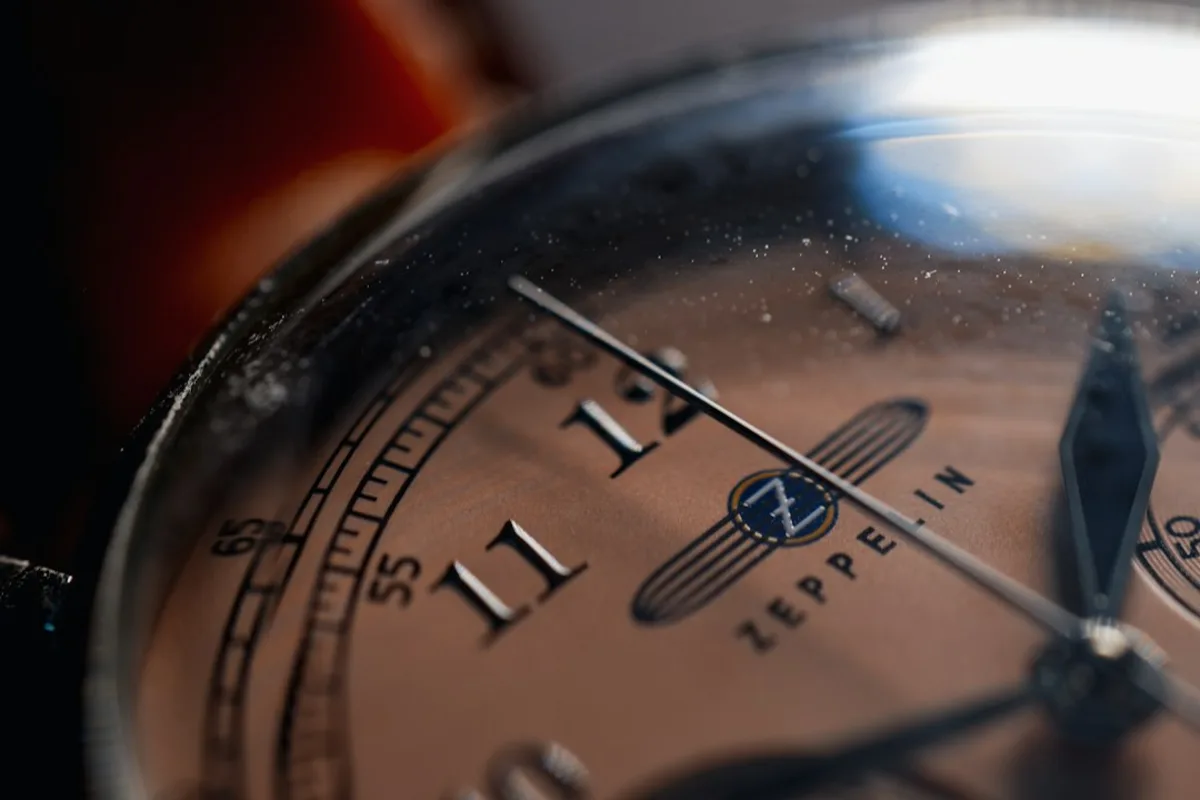
What Makes a Pilot Watch? The Flieger Story
From 55mm navigation instruments strapped to aviators' thighs to the wrists of collectors today, the flieger watch tells a story of purpose-built design that refuses to die.
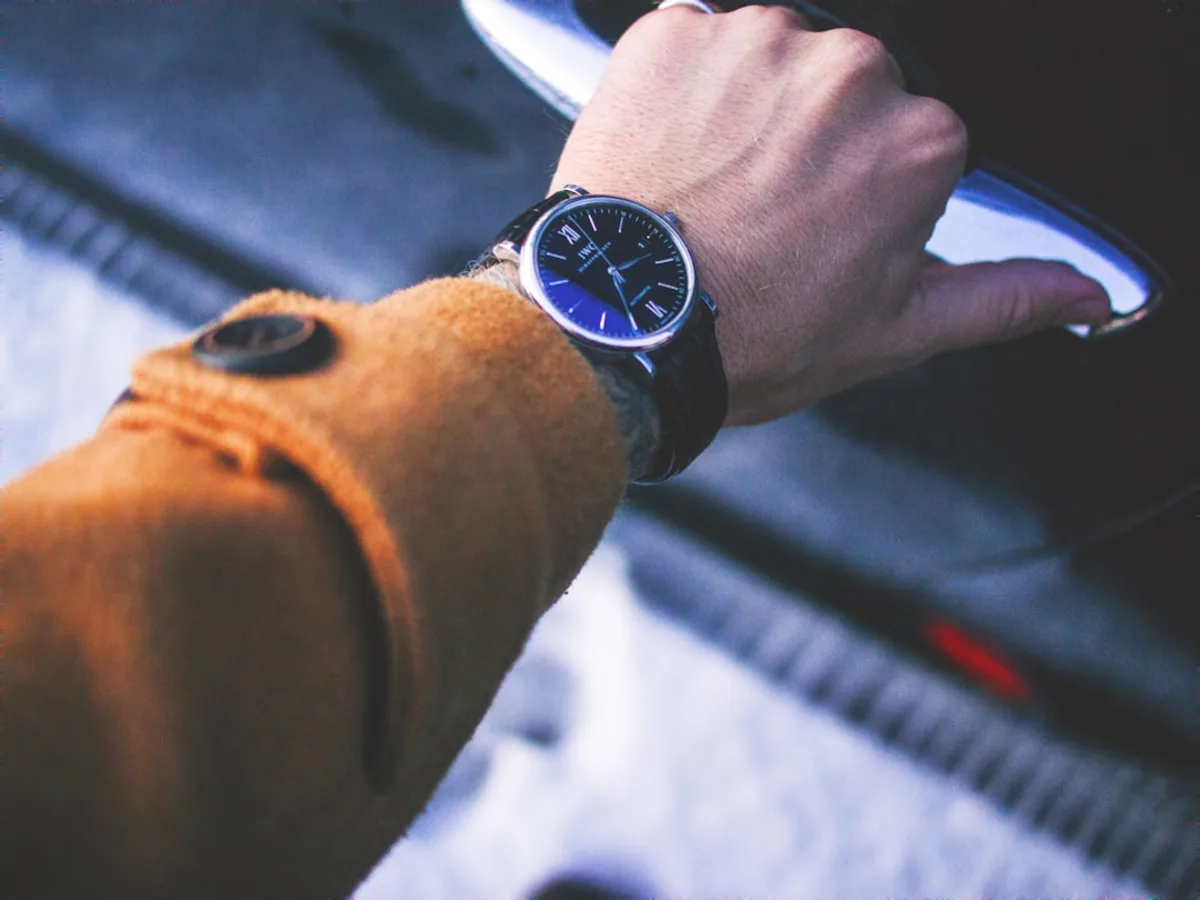
IWC Mark XVIII: The Pilot's Watch That Actually Works
Researching the IWC Mark XVIII closely, I've come to think this is what a pilot's watch should be: legible, antimagnetic, unfussy, and sized for actual human wrists.
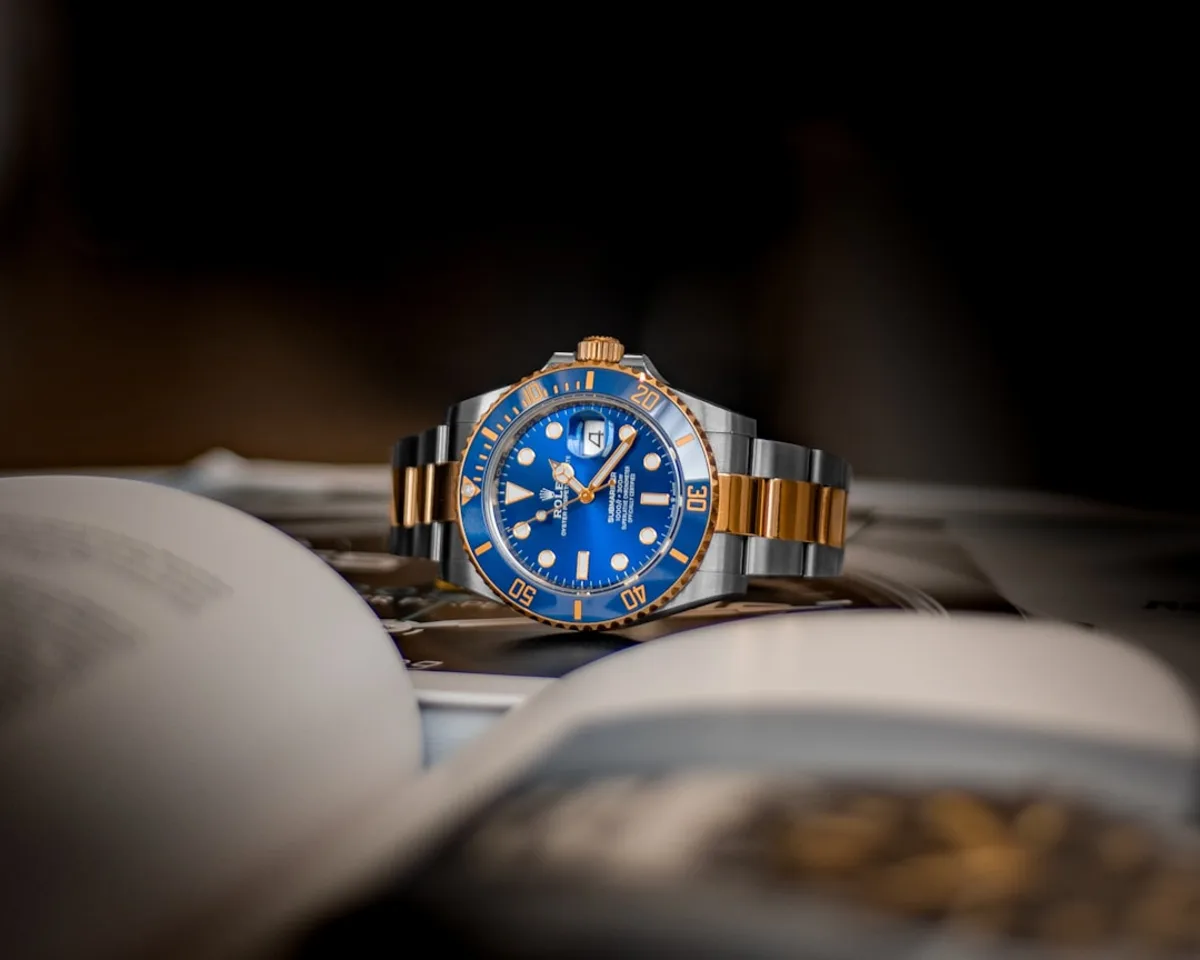
Breitling Navitimer B01: A Closer Look at Aviation's Most Famous Watch
This article examines whether the Navitimer's slide-rule bezel is gimmick or genius, based on its specifications, history and what owners and reviewers commonly report. Turns out, it's both, and that's exactly why it works.