How to Pick the Right Watch Size for Your Wrist (Without Guessing)
Forget the 'rules'. Here's how to actually figure out what watch size works for your wrist, from measuring techniques to why lug-to-lug matters more than diameter.
About this article: this is an informational article based on public sources: manufacturer specifications, published hands-on reviews by other outlets, owner feedback and current prices. We have not tested the watch ourselves, we are watch enthusiasts rather than professional journalists, and nothing here is buying advice. No brand paid for it. Our method
📑 Table of Contents
- Measure Your Wrist First (Properly)
- Case Diameter Is Overrated (Seriously)
- Lug-to-Lug: The Measurement That Actually Matters
- Thickness: The Forgotten Dimension
- Bezel and Dial Proportions Change Everything
- Bracelet vs Strap: The Fit Changes
- Try Before You Buy (Even If It's Awkward)
- The 'Slide a Finger Under the Strap' Test
- Ignore the 'Rules', Trust Your Eyes
- When In Doubt, Go Smaller
It's easy to buy a watch online based on case diameter alone, then wonder why a 40mm diver swallows the wrist while a 42mm dress watch fits perfectly. The numbers lie, or rather, they don't tell the whole story about picking the right watch size for your wrist.
Picking the right watch size isn't about memorising some magic formula. It's about understanding a handful of measurements that matter, knowing your own wrist, and being honest about what you actually like wearing. Let's break it down properly.
Measure Your Wrist First (Properly)
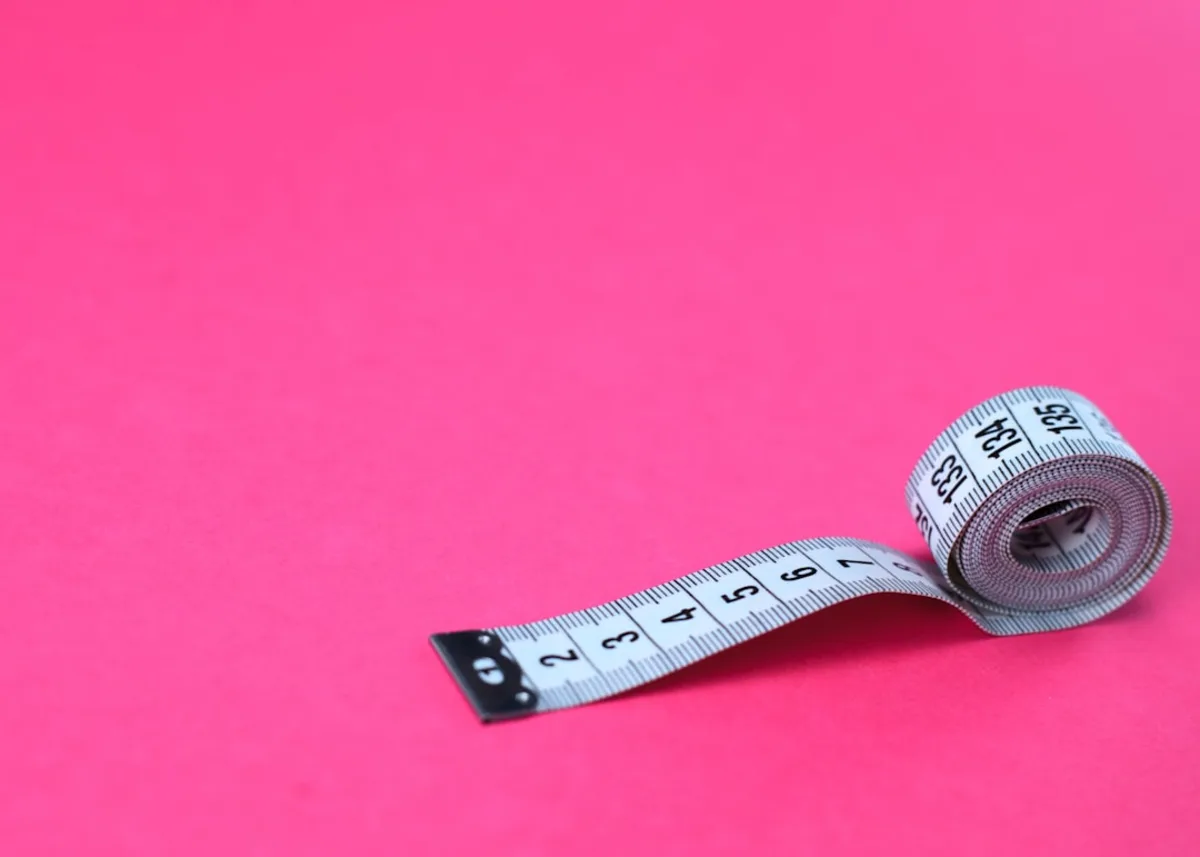
You need a number to start with. Grab a soft tape measure or a piece of string and a ruler. Wrap it around your wrist where you'd wear a watch, just above the wrist bone. Not tight, not loose. You should be able to slide a finger underneath comfortably.
Most men's wrists fall between 6.5 and 7.5 inches (165-190mm). Smaller wrists run 6-6.5 inches, larger ones 7.5-8 inches or more. Women's wrists typically range from 5.5 to 6.5 inches, though obviously there's overlap everywhere.
Write that number down. You'll reference it constantly when shopping.
Case Diameter Is Overrated (Seriously)
This is the measurement everyone obsesses over, and it's probably the least useful one on its own. A 40mm Rolex Submariner wears completely differently from a 40mm Cartier Santos. Different universes.
Why? Because case diameter is measured differently depending on the watch. Some brands measure bezel-to-bezel, others measure the widest point including the crown guards. A round watch and a square watch with the same 'diameter' will look nothing alike on the wrist.
Case diameter gives you a ballpark. That's it. Don't buy based on this alone.
General Ballpark (Loose Guidance Only)
For round watches on average wrists (6.5-7.5 inches):
- 38-40mm: Classic proportions, works for most people, trending back into fashion
- 40-42mm: The sweet spot for modern tastes, versatile
- 42-44mm: Sports watch territory, needs a bit of wrist to pull off
- 44mm+: Bold statement, wears large unless it's all dial (like a Panerai)
Smaller wrists? Drop everything by 2-4mm. Larger wrists? You've got more room to play, but bigger isn't always better.
Lug-to-Lug: The Measurement That Actually Matters
This is where most people go wrong. The lug-to-lug measurement (sometimes called 'length' or 'height') is the distance from the top lug tip to the bottom lug tip. It's how much real estate the watch takes up along the wrist.
If the lugs overhang the wrist, the watch is too big. Full stop. Doesn't matter if the case diameter 'should' fit according to some chart. Overhanging lugs look ridiculous and feel uncomfortable.
The practical rule: the lugs shouldn't overhang the flat top of the wrist (width, not circumference).
This is why integrated bracelet designs (Royal Oak, Nautilus, Cartier Santos) can wear larger than their specs suggest. The lugs effectively extend into the bracelet, adding visual length. And it's why some vintage watches with stubby lugs wear smaller than modern equivalents despite similar case sizes.
To check this before you buy, use our free watch size calculator. Enter your wrist size and a watch's case width and lug-to-lug, and it shows to scale whether the lugs stay on the flat top of your wrist.
Thickness: The Forgotten Dimension
A thick watch wears heavy and prominent. A slim watch disappears under a cuff. Neither is better, but it helps to know what you're getting into.
Dress watches typically run 7-10mm thick. Anything under 8mm is genuinely slim and should slide under most shirt cuffs without snagging, according to how these watches are commonly specified. Sports watches with automatic movements sit around 11-14mm. Chronographs and GMT complications push 14-16mm. Anything over 15mm is a chunk, and it tends to be felt rather than forgotten.
Thickness affects comfort more than people realise. A 42mm watch that's 11mm thick will generally wear better all day than a 40mm watch that's 15mm thick. The thick one is more likely to catch on cuffs, feel top-heavy, and make its presence known constantly.
The Shirt Cuff Test
If dress shirts are a regular part of your wardrobe, it's worth checking a watch against a buttoned cuff before committing. Does it slide under smoothly with the arm moving naturally? Does it catch every time you reach for something? Does it look like you're smuggling a small clock?
For daily wear under business attire, 12mm is about the max before things get awkward. For casual wear, go wild.
Bezel and Dial Proportions Change Everything
Two 40mm watches can look completely different sizes because of how the bezel and dial are designed.
A watch with a thick bezel (like a dive watch with a big rotating bezel) will have a smaller dial opening. The actual visible face might only be 34-36mm. It wears smaller, more compact.
A watch with a thin bezel or no bezel (like a field watch or a Patek Calatrava) puts all 40mm into dial space. It looks bigger, more open, more prominent on the wrist.
Dial colour matters too. A white or silver dial reflects light and looks larger. A black dial absorbs light and wears slightly smaller. It's subtle, but it's real.
Bracelet vs Strap: The Fit Changes
A watch on a bracelet fits differently than the same watch on a leather strap. Bracelets are stiffer, hold the watch higher off the wrist, and distribute weight differently. Straps conform more, sit flatter, and can make the same watch feel more intimate.
If you're trying on a watch in a boutique and it's on a bracelet, it's worth asking to see it on a strap (or vice versa). The feel changes enough that it's worth checking both.
Nato straps and perlon straps add thickness under the watch, effectively raising it off the wrist. Some people love that military vibe, others find it sits too high and looks odd. It's worth trying before committing to a Nato collection.
Try Before You Buy (Even If It's Awkward)
Not everyone lives near an authorised dealer or boutique, and trying on a £5,000 watch when you're just browsing can feel awkward. It's worth doing anyway.
Walking into a Rolex boutique to try on a Submariner, even when planning to buy grey market or save for years, is a genuinely useful step. There's no substitute for feeling what 40mm with 48mm lugs actually does on a given wrist. The same goes for Omega, Tudor, or anything else under consideration.
Most sales staff are fine with it. Enthusiasts are widely known to window-shop for ages before buying. If a member of staff is unhelpful about it, plenty of other brands and dealers will welcome the visit.
Can't get to a boutique? Watch meetups and local enthusiast groups are common alternatives, and it's not unusual for people to arrange to compare watches informally through forums or online communities. It's a fairly normal part of the hobby.
The 'Slide a Finger Under the Strap' Test
With a watch buckled up properly, it should be possible to slide a pinky finger (just the tip, not the whole finger) between the strap and the wrist. That's the right tightness for daily wear.
Too tight and the wrist swells throughout the day, gets uncomfortable, and leaves marks. Too loose and the watch slides around, bangs into things, looks sloppy.
Most bracelets and straps have micro-adjustment holes or half-links these days. Using them properly is often the difference between a watch that gets worn daily and one that sits in a box.
Ignore the 'Rules', Trust Your Eyes
You'll read that a watch shouldn't be wider than the wrist. That lugs must never overhang. That women can't pull off 40mm+. That men look silly in anything under 38mm.
All bollocks.
It's well documented that a 6-inch wrist can carry a 42mm watch beautifully when the lugs are short and the design is balanced, and equally common for someone with a large wrist to look off in an oversized watch because the proportions are wrong.
The only rule that matters: does it look right to you? A photo of the watch on the wrist, or a day spent with it if possible, tends to answer the question honestly. If the reaction is 'yeah, this works', it works. If it's 'hmm, is this too big or small?', it probably is.
When In Doubt, Go Smaller
Trends change. The 44mm sports watch craze of the 2000s has given way to a vintage revival where 36-38mm is cool again. What looks current now might look dated in five years.
A properly sized or slightly undersized watch is timeless. An oversized watch dates itself. If it's a toss-up between two sizes, the smaller one tends to be the better long-term bet.
Smaller watches are also generally more comfortable by most accounts. They're less likely to catch on things and less likely to feel like a weapon strapped to the wrist. They just sit there and do their job.
That's the whole point, isn't it?
Written by
RevieWatches Editorial Team
RevieWatches is an independent, informational watch site. We research specifications, track pricing across retail and grey markets, and summarise what published...
More in Editor's Choice
Grand Seiko Spring Drive Explained: How It Actually Works
Spring Drive is neither a mechanical nor a quartz watch in the usual sense. It is a mainspring-powered movement regulated by quartz, and it produces one of the smoothest seconds hands in watchmaking.
GMT vs Worldtimer vs Dual Time: Which Travel Watch Do You Actually Need?
Three complications, three very different jobs. Here's how to work out whether you need a GMT, a worldtimer, or a simple dual time watch, and how much each one actually costs to get right.

Sapphire vs Mineral vs Acrylic Watch Crystal: A Practical Guide
The crystal is the one bit of your watch you touch every single day without noticing. Here's what actually separates sapphire, mineral and acrylic, and which one you should want.