What Is a Field Watch? A Buyer's Guide
Field watches trace their roots to military trenches, not boardrooms. Here's what defines them, why they still matter, and how to pick one that'll actually survive your life.
About this article: this is an informational article based on public sources: manufacturer specifications, published hands-on reviews by other outlets, owner feedback and current prices. We have not tested the watch ourselves, we are watch enthusiasts rather than professional journalists, and nothing here is buying advice. No brand paid for it. Our method
📑 Table of Contents
What is a field watch? It doesn't try to impress anyone. It's the opposite of complicated dress pieces or overwrought dive computers strapped to wrists that never see saltwater. A proper field watch has one job: tell you the time clearly, reliably, in situations where your phone is dead, your hands are dirty, and the light is bad.
That utilitarian brief is the whole appeal. Whether it's a battered Hamilton on a NATO strap or something cheaper and scruffier, the model owners reach for camping, doing garden work, or just wanting something they won't worry about tends to be a field watch. They're tools first, watches second.
Where Field Watches Come From
The field watch as we know it emerged from military necessity in the early 20th century. Soldiers in the trenches of World War I needed to coordinate attacks down to the minute. Pocket watches were useless when you're holding a rifle. So watchmakers started strapping movements to leather cuffs and calling them wristwatches.
By World War II, the specifications had crystallised. The British War Office issued watches marked 'W.W.W.' (Watch, Wristlet, Waterproof) with specific requirements: black dial, Arabic numerals, luminous hands and markers, reliable movement, hack seconds. These weren't luxury items. They were kit, like helmets or boots. And they worked.
Post-war, surplus military watches flooded civilian markets. People realised these tough, legible watches made sense for everyday life. Brands like Hamilton supplied the US military, Benrus made watches for the Vietnam era, Marathon still produces field watches for Canadian forces today. The aesthetic stuck because the function made sense.
What Actually Defines a Field Watch
There's no governing body that certifies a watch as a 'true field watch', which means marketing departments call anything with a canvas strap a field watch these days. Ignore that. Here's what actually matters.
Legibility Above All
Can you read the time in two seconds, in dim light, without squinting? That's the test. Field watches achieve this through high contrast (usually white or cream numerals on black), full Arabic numerals at every hour, and simple layouts. No date window cluttering the six o'clock position unless it's truly useful. No cutesy subdials. Just hours, minutes, seconds.
Luminous material on hands and markers is non-negotiable. Modern watches use Super-LumiNova or similar. Vintage military pieces had radium (radioactive, best avoided for wear), then tritium (safer but decays), now lume that charges with light exposure. Lume performance matters most in exactly the situations these watches are built for, checking the time in genuine darkness with no other light source. A watch that glows clearly wins that test; one that fades in minutes fails it.
Size and Wearability
Original military field watches were modest. 34mm to 38mm cases were standard because they fit under cuffs, didn't catch on gear, and suited smaller mid-century wrists. Modern field watches have crept up to 38mm-42mm, which is fine, but anything over 42mm starts feeling like a different category.
The case should be stainless steel or similar durable material. Some modern pieces use titanium (lighter, more expensive) or coated steel (looks good until it scratches). Thin is better than chunky. A field watch around 11mm thick will sit comfortably under a shirt cuff, which is part of the point of the design. A 15mm-thick 'field watch' is just cosplay.
Movement: Mechanical vs Quartz
Here's where enthusiasts get tribal, and honestly, both camps have a point.
Mechanical field watches (usually automatic) carry history and craft. They tick audibly. They need winding or wearing. There's something satisfying about a self-sufficient machine on your wrist. But they're less accurate (plus or minus several seconds daily is normal), need servicing every five to ten years (which costs real money), and can be temperamental in extreme cold or after shocks.
Quartz field watches are more accurate by orders of magnitude, cheaper to maintain (swap the battery every few years), more shock-resistant, and lighter. Marathon's quartz field watches use tritium tubes for constant illumination and have served on military missions for decades. Casio makes bombproof field-style digitals that cost less than dinner out. The 'soulless quartz' argument falls apart when you're actually using the watch as a tool.
Both types have their place. For actual field use, hiking, travel, quartz makes the more practical case. For daily wear and the pleasure of mechanical engineering, automatic has the edge. Don't let watch snobs shame you either direction.
Water Resistance
Field watches aren't dive watches, but they should handle rain, sweat, washing hands. 50 metres (5 ATM) is the bare minimum. 100 metres is better and becoming standard. Anything claiming to be a field watch with 30 metres or less water resistance is suspect.
Screw-down crowns add security but aren't essential. Push-pull crowns are fine if the gaskets are decent. Properly made field watches with sound gaskets are widely reported to hold up fine in normal wet conditions.
What to Look for When Buying
Assuming you're convinced this is the style for you, here's how to sort the real from the marketing.
Check the Dial Clarity
Hold the watch at arm's length in a photo or in person. Can you read it instantly? Look at photos in dim lighting if buying online. White numerals on black is safest. Some brands do cream or tan dials for vintage aesthetics, which is fine if contrast remains high. Avoid busy printing, excessive text, or decorative elements that reduce clarity.
Weigh Up the Lume
If buying in person, ask to see it in darkness. If online, read reviews mentioning lume performance. Some watches charge bright then fade in minutes (useless). Good lume stays visible for hours. Tritium tubes (on higher-end pieces like Marathon) glow constantly for years without charging but are dimmer than fresh lume.
Consider the Strap
Field watches traditionally come on leather, canvas, or NATO straps. All have merit. Leather looks grown-up but degrades with sweat and water. Canvas is period-correct but can fray. NATOs are indestructible, quick-dry, and cheap to replace, which is why owners commonly swap them out depending on season or use.
Bracelet field watches exist (Hamilton makes them), but it's a bit like putting a tuxedo on hiking boots. Works, but you're mixing metaphors.
Price Reality
You can get a legitimate field watch from roughly £40 to several thousand pounds. Timex Expeditions and certain Casio models hover around £50-80 and are shockingly capable. Seiko 5 Sports field editions run £150-250. Hamilton Khaki Fields (mechanical) sit around £300-600 depending on model. Marathon field watches for actual military use start around £300-400 for quartz, more for mechanical.
Vintage military pieces can be found from £100 into the thousands depending on provenance, condition, and rarity. Be cautious. The vintage market is full of franken-watches with mismatched parts and fake military markings.
Brand Reputation
Some brands have actual military contracts or heritage. Hamilton supplied US forces. Marathon supplies Canadian, UK, and other forces currently. Benrus, Elgin, and Bulova made watches for Vietnam-era troops. CWC (Cabot Watch Company) supplied British forces. This history matters because it means the design was tested under real conditions, not dreamed up in a marketing meeting.
Other brands make excellent field-inspired watches without military pedigree. Seiko, Orient, Citizen all produce solid options. Even microbrand companies turn out respectable pieces if they understand the brief. Just be wary of brands that call everything a field watch to jump on a trend.
Well-Known Examples Worth Considering
Here are models frequently recommended, and why they matter.
Hamilton Khaki Field: The accessible classic. Both mechanical and quartz versions exist, sizes from 38mm to 42mm. Strong military heritage. Solid build. You'll see them everywhere in watch forums for good reason.
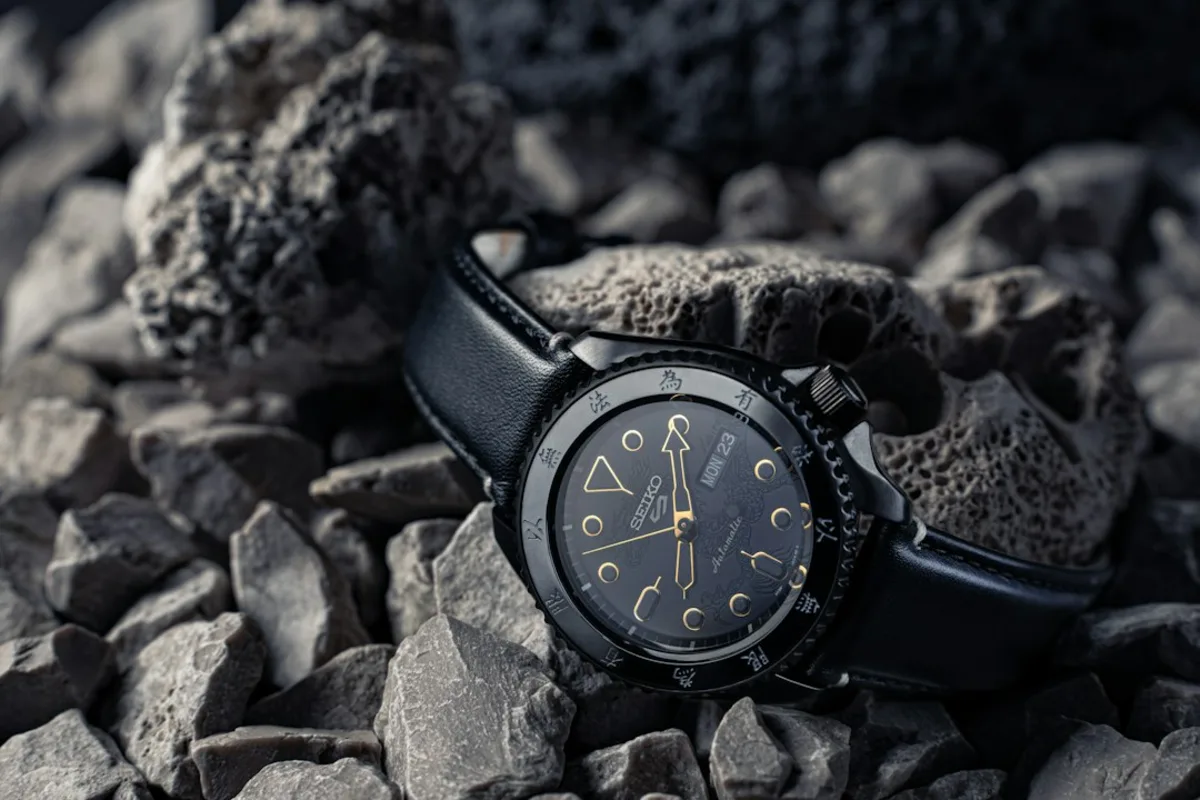
Seiko 5 Sports: The field-style models in this line offer automatic movements, decent lume, and aggressive pricing. Not strictly military inspired but hit the key notes of legibility and durability.
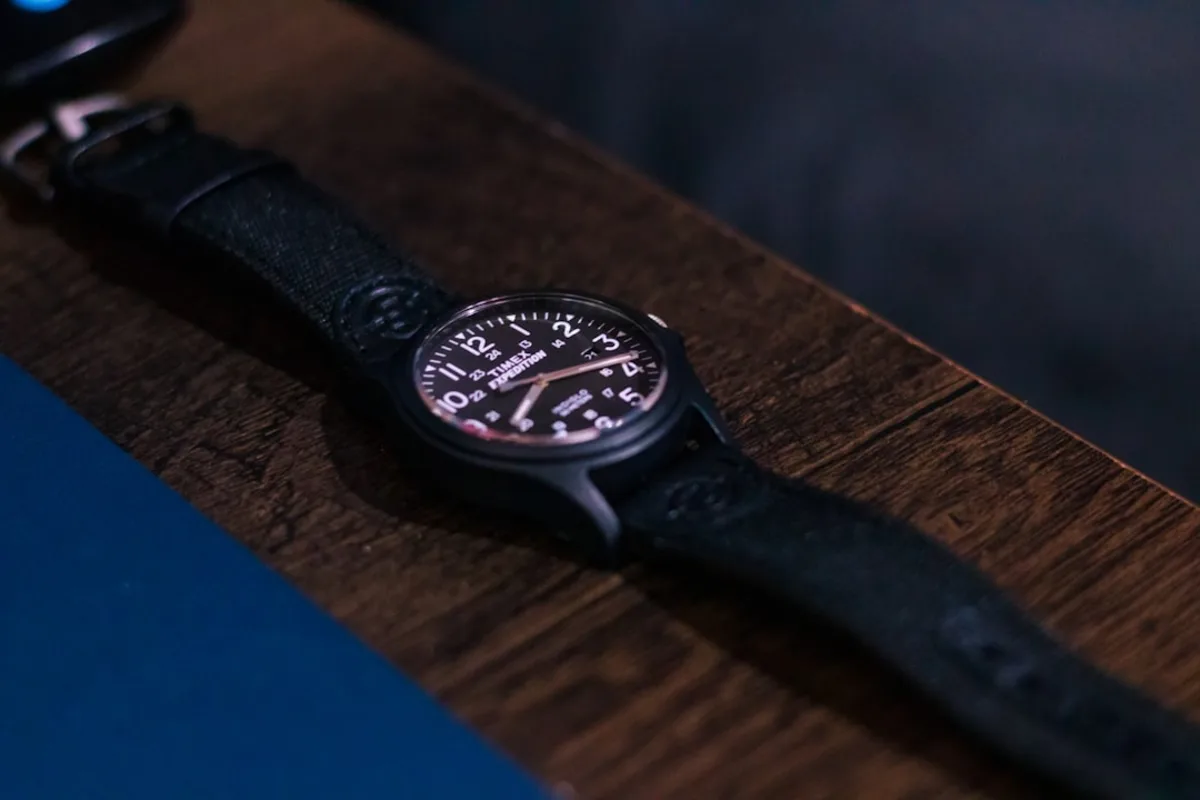
Timex Expedition: The budget king. Quartz, reliable, loud ticking (Timex signature). Will not impress watch collectors but will tell time accurately for years while costing less than a nice meal.
Marathon GPF (General Purpose Field): These are current-issue military watches. Quartz, tritium tubes, built like actual kit. If you want the real thing, not a fashion interpretation, this is it. Pricing reflects that.
Casio: Various models fit the field brief, especially digital-analog combos. Bombproof, affordable, utilitarian. Watch enthusiasts overlook them because they're not Swiss or vintage. Their loss.
The Honest Reality
Field watches won't impress a date unless your date is into watches (rare and wonderful). They won't signal wealth or status. They're not conversation starters at dinner parties. A Rolex does those jobs better, if those are your jobs.
What a field watch does is sit on your wrist, tell the time clearly, survive getting knocked about, and not make you anxious. That's the appeal. In a world of fragile screens and complicated features, there's something grounding about a watch that just works.
It's easy to see why people keep reaching for one even when fancier options are sitting in the box. Sometimes the point is to strap on something that doesn't need babying, check the time at a glance, and get on with the day. That's what field watches were invented for. Still works.
Written by
RevieWatches Editorial Team
RevieWatches is an independent, informational watch site. We research specifications, track pricing across retail and grey markets, and summarise what published...
More in Military & Tactical
Hamilton Khaki Field Mechanical: The £500 Watch That Keeps Its Appeal
A look at why the hand-wound £500 Hamilton Khaki Field Mechanical has a reputation for outlasting watches five times its price, and where it genuinely falls short.
Best Military Watches 2026: Actually Issued to Armed Forces
Forget marketing nonsense. These are the watches actually worn by soldiers, with MIL-PRF certs and deployment history to prove it.
Marathon GSAR: The Only Real Military Watch You Can Buy
This isn't a military-inspired watch. It's the actual issue watch worn by pararescue jumpers, and the specifications make that hard to argue with.