Best Military Watches 2026: Actually Issued to Armed Forces
Forget marketing nonsense. These are the watches actually worn by soldiers, with MIL-PRF certs and deployment history to prove it.
About this article: this is an informational article based on public sources: manufacturer specifications, published hands-on reviews by other outlets, owner feedback and current prices. We have not tested the watch ourselves, we are watch enthusiasts rather than professional journalists, and nothing here is buying advice. No brand paid for it. Our method
📑 Table of Contents
There's a real difference between watches marketed as "tactical" (usually just black with maybe some orange stitching) and watches actually built to military specification. Anyone who has looked closely at an old military-issue field watch knows the difference immediately: these things are built to keep running through decades of neglect, not just to look tough on a shelf.
Real military watches are boring in the best way. They're tools, not lifestyle accessories. And weirdly, most actual armed forces don't issue watches anymore. GPS units, sure. Ruggedised tablets, absolutely. But mechanical or quartz timepieces? Increasingly rare.
Which makes the few that remain even more interesting.
What Actually Makes a Military Watch
Before we get into specific models, let's kill some myths. A military watch isn't just black with a nylon strap. The real requirements are less sexy but far more meaningful:
- MIL-PRF certification: This means it meets US military performance standards. Not "military-inspired" or "tactical-style". Actual certification.
- Tritium illumination: Gas tubes that glow for 25+ years without charging. Not lume that dies after twenty minutes in the dark.
- Serious water resistance, ideally 200m: because combat diving is a thing, and also because submersion happens whether you plan for it or not.
- Non-reflective finish: Black PVD or matte case. Glare from a polished bezel can get you spotted.
- Replaceable battery or self-winding: Must be operable in remote deployment. Short battery life is a real weakness in the field.
Most "military" watches on the market meet maybe two of these. The watches below meet all of them, or come damn close with good reason for any exception.
The Actual Issue Watches
Marathon GSAR: The Only Real One
The Marathon GSAR is the only watch on this list actually issued to US, Canadian, and Norwegian armed forces. That's worth repeating because it's striking how few watches qualify. Built to MIL-PRF-46374G (the current US military spec for timepieces), it's got tritium gas tubes that'll glow for over 25 years, an ETA 2824-2 automatic movement, and 300m water resistance.
Owners consistently report that the tritium illumination is the standout feature: no button-pressing, no need to expose the dial to light beforehand, just instant readability at any hour. That's the whole point of gas-tube lume over standard photoluminescent paint. The bracelet is widely regarded as the weak point of the package, though it's easily swapped for a NATO or Zulu strap for about twenty quid.
At $1,300, it's not cheap for what's essentially a dive-spec field watch with a workhorse ETA movement. But you're paying for actual military provenance and that tritium, which costs Marathon real money to source and apply. Worth it if authenticity matters to you. Less so if you just want a black watch that looks tough.
Casio G-Shock GW6900: The Unofficial Standard
The Casio G-Shock GW6900 isn't officially issued, but it turns up in more military photos than any other watch. It's what people actually buy with their own money when they need something that won't die.
Solar charging means you'll never replace a battery. Atomic timekeeping means it's always accurate to the second (assuming you're in range of a signal, which covers most of North America, Europe, Japan). And the shock resistance is genuinely absurd, a direct product of the shock-protection structure Casio has refined across the G-Shock line for decades, and one of the most consistently praised traits among owners.
At $150, it's the best value on this list by a country mile. The only downside is the aesthetic. It's big, plasticky, and unmistakably a G-Shock. Which is fine if you're wearing it for function, less ideal if you also want to wear it to dinner. Though honestly, if you're buying a military watch to wear to dinner, you've missed the point.
Luminox Navy SEAL: Controversial but Deployed
The Luminox Navy SEAL series is genuinely worn by SEALs, but it's not officially issued. Luminox sends watches to SEAL teams, SEALs wear them, Luminox markets them as SEAL watches. It's symbiotic marketing that somehow works because the watches are actually decent.
The tritium illumination is excellent (Luminox basically built their brand on it). The carbon case is light and tough. The quartz movements are reliable Swiss Ronda or ISA calibres. But the build quality for the price is a recurring point of criticism: owners and reviewers frequently mention loose-feeling bezels, mediocre stock straps, and water resistance ratings that seem optimistic for the price point.
At full retail, which hovers around $500-800 depending on model, that build quality is hard to justify. Found used or discounted, and if the SEAL connection specifically appeals to you, it's more defensible. Just know you're paying partly for branding.
The Tactical Tools
Suunto Core All Black: For Actual Field Use
The Suunto Core All Black is used by Special Operations Forces for outdoor planning. Not as a timepiece (though it tells time fine), but for its altimeter, barometer, and compass suite. The environmental data is genuinely useful, and the barometer's ability to flag incoming weather changes hours in advance is one of its most commonly cited practical strengths among users who rely on it outdoors.
The all-black finish is properly non-reflective. The display is clear in sunlight. And the battery life is solid (12-18 months depending on use). At $349, it's priced fairly for what you get. But it's not a watch you wear for the love of mechanical engineering. It's a tool you wear because the data matters.
One recurring complaint worth flagging: the strap is notorious for degrading in UV exposure. If you're using this outdoors constantly, budget for a replacement strap every 18-24 months. Annoying, but not a deal-breaker given the watch's purpose.
Garmin Tactix 7: The Future (For Better or Worse)
The Garmin Tactix 7 is what happens when you take a Fenix smartwatch and add every military-specific feature you can imagine. Night vision compatible display (no bright flash when you check the time). Ballistics calculator (plug in your load data). Jumpmaster mode (for parachute operations). Stealth mode (kills all wireless transmission).
It's absurdly capable. And genuinely used by military personnel who need that capability. But it's also over $1,000, needs charging every week or two, and will be obsolete in five years when Garmin releases the Tactix 9 or 11.
I can't recommend it as a timepiece. But as a tactical computer that also tells time? If you need those features, you already know you need it. If you don't know you need it, you don't.
Traser P67 Officer Pro: The Swiss Dark Horse
Traser doesn't get the attention of Marathon or Luminox, but they've been supplying Swiss military and police forces for decades. The P67 Officer Pro series uses the same tritium tech (sourced from mb-microtec, who supply most tritium tubes globally), with Swiss Ronda quartz movements and 100m water resistance.
According to Traser's own case finishing compared to Luminox at similar price points, the P67 comes out ahead by most accounts, and the 46mm case is reported by owners to wear smaller than the spec suggests thanks to short lugs.
The downside: availability outside Switzerland and Germany can be spotty. And the brand recognition is low, which matters if you care about that sort of thing. Plenty of people don't, and for them this is one of the better value propositions on this list.
What About Vintage Military Watches?
If you want a real military watch with history, the vintage market is fascinating. Benrus Type I and II (Vietnam era), CWC G10s (British MoD issue from the '80s-'90s), and Hamilton Khaki Field Mechanicals (US issue) all show up regularly on eBay and specialist dealers.
But they come with caveats. Tritium from the '60s-'80s is often dead or dying. Water resistance seals have degraded. Movements need servicing (and finding parts for obsolete military calibres can be nightmarish). And prices have climbed as collectors catch on: a CWC G10 that might have gone for a modest sum a few years ago now commands considerably more, and a full service is often needed to bring an old movement back to reliable running order.
So budget accordingly if you go vintage, both for the purchase and for the servicing that almost always follows.
The Bottom Line
The Marathon GSAR is the most authentic military watch available to civilians. It's actually issued, actually certified, and actually built to survive what military use demands. If you want the real thing, that's it.
For pure value, the Casio G-Shock GW6900. It's not certified to anything except the school of hard knocks, but it'll outlive you and cost less than a nice dinner.
For outdoor tactical use where you need environmental data, the Suunto Core All Black. It's what SOF units actually carry for a reason.
Everything else is either specialty (Garmin Tactix), harder to find (Traser P67), or trading partly on branding (Luminox Navy SEAL). Not bad watches, but less essential.
And here's the thing: unless you're actually deploying, you don't need any of this. A £40 Casio F-91W tells time just as well and weighs nothing. But we're not buying military watches because we need them. We're buying them because something in us responds to tools built to survive the worst humans can throw at them. And if that's you, at least now you know which ones are genuine and which are just marketing.
Written by
RevieWatches Editorial Team
RevieWatches is an independent, informational watch site. We research specifications, track pricing across retail and grey markets, and summarise what published...
More in Military & Tactical
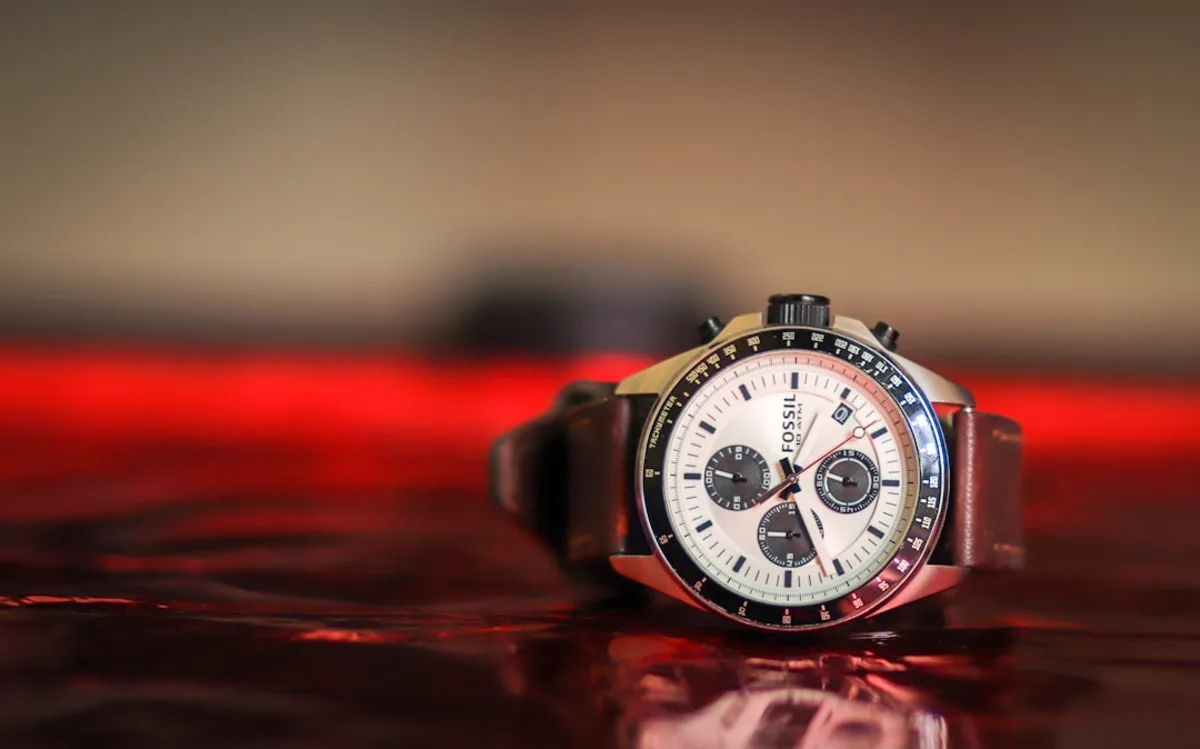
What Is a Field Watch? A Buyer's Guide
Field watches trace their roots to military trenches, not boardrooms. Here's what defines them, why they still matter, and how to pick one that'll actually survive your life.
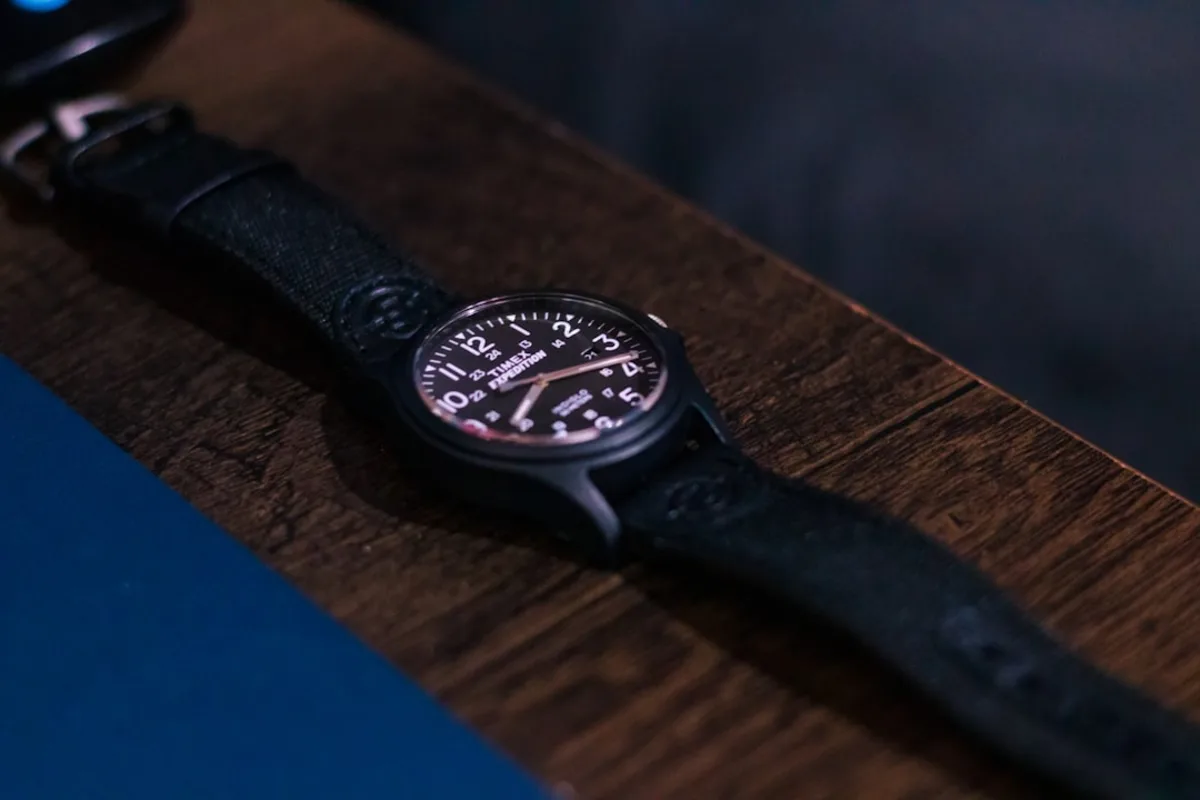
Hamilton Khaki Field Mechanical: The £500 Watch That Keeps Its Appeal
A look at why the hand-wound £500 Hamilton Khaki Field Mechanical has a reputation for outlasting watches five times its price, and where it genuinely falls short.
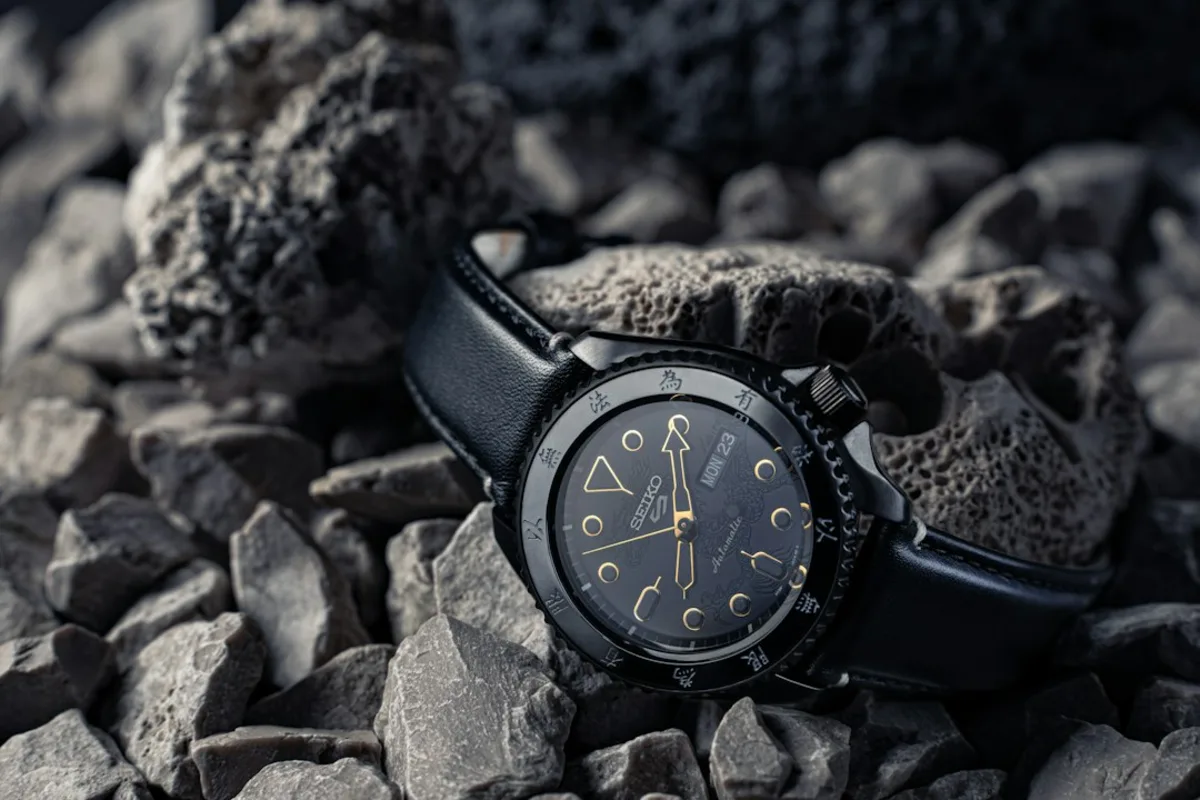
Marathon GSAR: The Only Real Military Watch You Can Buy
This isn't a military-inspired watch. It's the actual issue watch worn by pararescue jumpers, and the specifications make that hard to argue with.