Automatic vs Quartz vs Solar: Which Watch Movement Should You Buy?
Mechanical romance or quartz practicality? A research-based breakdown of the real costs, accuracy, and daily reality of each type of movement.
About this article: this is an informational article based on public sources: manufacturer specifications, published hands-on reviews by other outlets, owner feedback and current prices. We have not tested the watch ourselves, we are watch enthusiasts rather than professional journalists, and nothing here is buying advice. No brand paid for it. Our method
📑 Table of Contents
Watch movements in the automatic vs quartz vs solar debate sit at two ends of a spectrum. A quartz Casio that shrugs off decades of daily abuse and never asks for attention. A vintage mechanical piece that stops after two days on the shelf and can cost more to service than a budget car costs to insure. Both have their place. Neither is 'better' in absolute terms.
The movement debate gets presented as philosophy (soul vs soullessness), but really it's about matching technology to your actual life. Let's cut through the romance and talk practicalities.
Quartz: The Honest Workhorse
A quartz watch uses a battery to send electric current through a quartz crystal. The crystal oscillates at a precise frequency (32,768 times per second, if you care), and electronics count those vibrations to move the hands. Simple. Brilliant. Unglamorous.
Accuracy? Typically plus or minus 15 seconds per month. Some high-end quartz (Grand Seiko's 9F, for example) will do better than 10 seconds per year. Compare that to a mechanical watch, which might gain or lose 5-10 seconds per day, and you see why quartz conquered the world in the 1970s.
The battery lasts 2-3 years on average. Replacement costs £10-30 depending on where you go. High street jewellers will do it while you wait. No drama. No six-week service intervals.
Downsides? The tick. That distinct once-per-second jump of the seconds hand. It bothers some people, and reasonably so, though plenty of owners never notice it. Also, when the battery dies, the watch just stops. No graceful wind-down. It freezes at whatever moment the power ran out.
Best for: anyone who wants a watch that works, stays accurate, and doesn't require thought. Travellers. People with multiple watches who don't wear the same one daily. Anyone on a budget. Genuinely practical choice.
Examples worth considering: Casio G-Shock (£80-200), Tissot PRX Quartz (around £300), Longines VHP (£900+), Grand Seiko 9F (£2,000+). The tech scales across price points.
Solar Quartz: Set It and Forget It
This is quartz with a trick. Instead of a replaceable battery, there's a rechargeable cell that's topped up by light. Any light. Sunlight is best, but even office fluorescents will keep it alive.
Citizen calls theirs Eco-Drive. Seiko calls theirs Solar. Casio has Tough Solar. Same idea, different marketing. A fully charged solar watch will run for months in complete darkness. Six months isn't unusual, and some brands claim a year or more.
Owners of models such as the Seiko Prospex Solar diver commonly report going well over a year without ever thinking about power. The watch simply charges itself during daylight and keeps running. That's the appeal. All the accuracy of quartz, none of the battery replacement faff.
The rechargeable cell will eventually degrade. Ten to twenty years is typical before you notice reduced capacity. But replacement is still cheaper and less involved than servicing a mechanical movement. Usually £50-100, depending on the watch.
The hands tick once a second on most solar models, just like standard quartz. Solar charging changes how the watch is powered, not how the hands move. It's a nice middle ground if the ticking bothers you.
Best for: daily wearers who want accuracy without maintenance. Outdoor types. Anyone who finds battery changes annoying. People who tend to forget maintenance tasks altogether.
Examples: Casio G-Shock Tough Solar (£100-300), Seiko Prospex Solar divers (£300-600), Citizen Eco-Drive Nighthawk (around £350), higher-end Citizen Eco-Drive chronographs (£500-1,500).
Automatic (Mechanical): The Romantic Choice
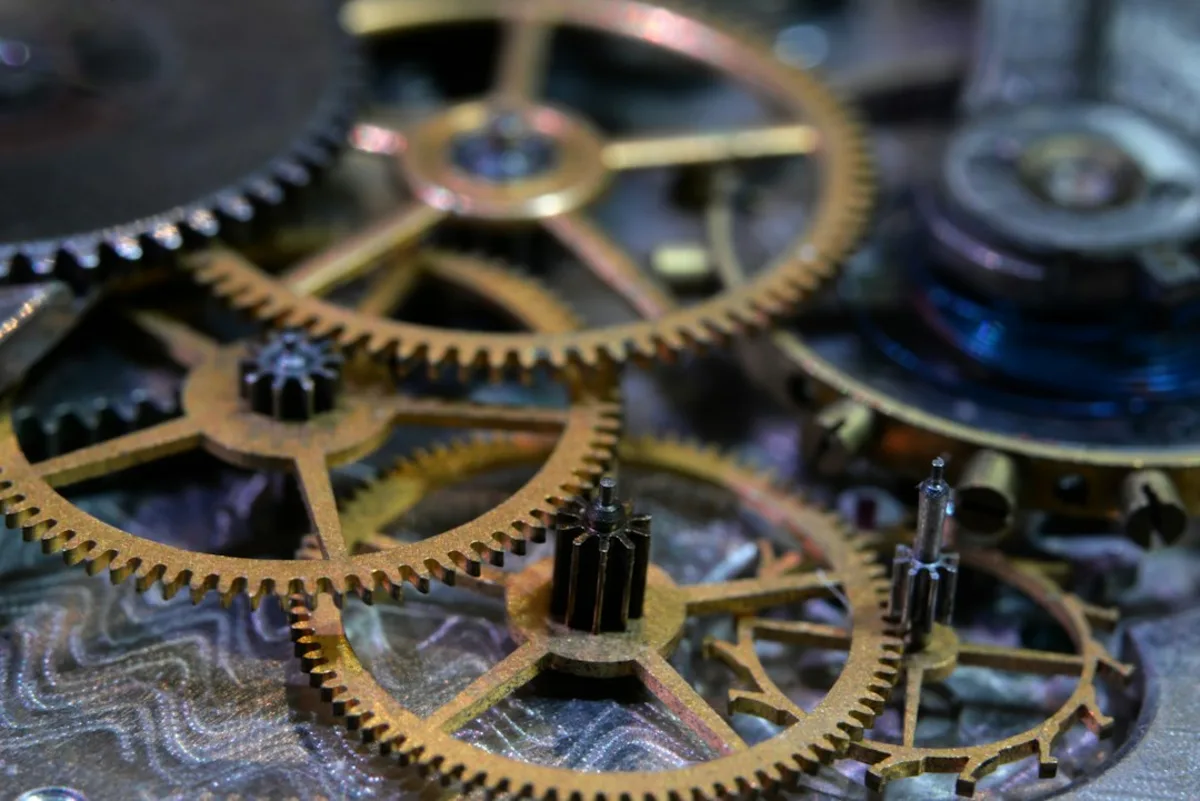
An automatic watch winds itself using a rotor that spins when you move your wrist. No battery. No electronics. Just gears, springs, and jewels (synthetic rubies used as bearings). It's 18th-century technology that still works.
The appeal is entirely emotional, and it's an easy one to understand. There's something about a display caseback showing the rotor swing and the balance wheel tick back and forth at 28,800 beats per hour. It's mechanical theatre. A tiny engine on the wrist.
But the trade-offs deserve to be stated plainly. Accuracy is typically 5-10 seconds per day. Some will do better (COSC-certified chronometers are rated to +6/-4 seconds per day). Some will do worse. Owners of older or unserviced examples often report daily deviations of ten seconds or more, which usually means resetting the time regularly.
Power reserve is usually 38-48 hours. Leave it in a drawer for two days and it stops, which means resetting the time and date when you pick it up again. Watch winders (£50-500, depending on the model) solve this in theory, though anyone who owns several watches and several winders knows it's easy for a piece to sit stopped anyway simply because it wasn't put back in time.
Servicing is the real cost. Every 5-7 years (some say 3-5, some say 10, it depends who you ask), a mechanical watch should be serviced. That means disassembly, cleaning, lubrication, reassembly, regulation. For a basic ETA or Sellita movement, expect £150-300. For an in-house movement from a luxury brand? £500-1,000+. It isn't unusual for a single service to cost most of what a modest mechanical watch cost new. Do the maths over 20 years of ownership.
Water resistance can degrade over time as gaskets dry out. Seals should be checked and replaced every few years on any watch that gets swum or dived with. Another £50-100.
Why bother, then? Because it's cool. Because there's a craft to it. Because a mechanical watch can be handed down, and if it's serviced, it'll keep running for another 50 years. That's the appeal. It's not rational, and it doesn't need to be.
Best for: enthusiasts who enjoy the hobby aspect of watches. People who wear the same watch daily (so it stays wound). Anyone who values tradition and craft over pure practicality. Those with disposable income for servicing costs.
Examples across budgets: Seiko 5 series (£150-300, workhorse 4R36 movements), Orient Bambino (£200-300, reliable in-house calibres), Tissot Powermatic 80 (£400-700, 80-hour power reserve), Hamilton Khaki Field Auto (£400-600), Longines Master Collection (£1,500+), Tudor Black Bay (£2,500+), Omega Speedmaster (£4,500+).
Manual Wind: The Purist's Path
Worth a quick mention because they're having a moment. Manual-wind watches require winding the crown daily (or every other day, depending on power reserve). No rotor, no self-winding.
Why would anyone choose this? Slimmer cases (no rotor mechanism takes up space). A more direct connection to the watch, since winding it is a form of engaging with it. And plenty of owners genuinely enjoy the daily ritual, small as it is.
Same servicing costs and accuracy realities as automatics. But if a dress watch under 10mm thick is the goal, manual wind is often the answer, since dropping the rotor is what makes such slim cases possible.
So Which One Should You Actually Buy?
If this is your only watch, or you want something reliable for daily wear: solar quartz. Seriously. A Seiko Solar or Citizen Eco-Drive will be more accurate, more convenient, and cheaper to own than any mechanical. It'll just work, day after day, without needing to be thought about.
If you're building a collection and want the enthusiast experience: start with an affordable automatic. A Seiko 5 or Orient will teach you what mechanical ownership involves without the financial sting when servicing time comes. If you love it, upgrade. If you find the upkeep annoying, that's a lesson learned for £200 instead of £2,000.
If you travel frequently across time zones: quartz, no question. Change the time, done. No worrying about hacking the seconds hand or whether the date will jump at the right moment.
If you've got the budget and the passion: buy what moves you, literally and figuratively. Plenty of people are happy owning both quartz and mechanical, reaching for the quartz when reliability matters and the mechanical when the watch itself is the point. Different tools, different contexts.
The internet will tell you mechanical watches have 'soul' and quartz is for people who don't 'get it'. I'd ignore that. A quartz Casio that's been worn for 15 years has more soul than a mechanical bought last month to flex on Instagram. Soul comes from experience, not gear count.
Buy the movement that fits your life, not the movement that fits someone else's idea of what a 'real' watch should be. Then actually wear the thing.
Written by
RevieWatches Editorial Team
RevieWatches is an independent, informational watch site. We research specifications, track pricing across retail and grey markets, and summarise what published...
More in Editor's Choice
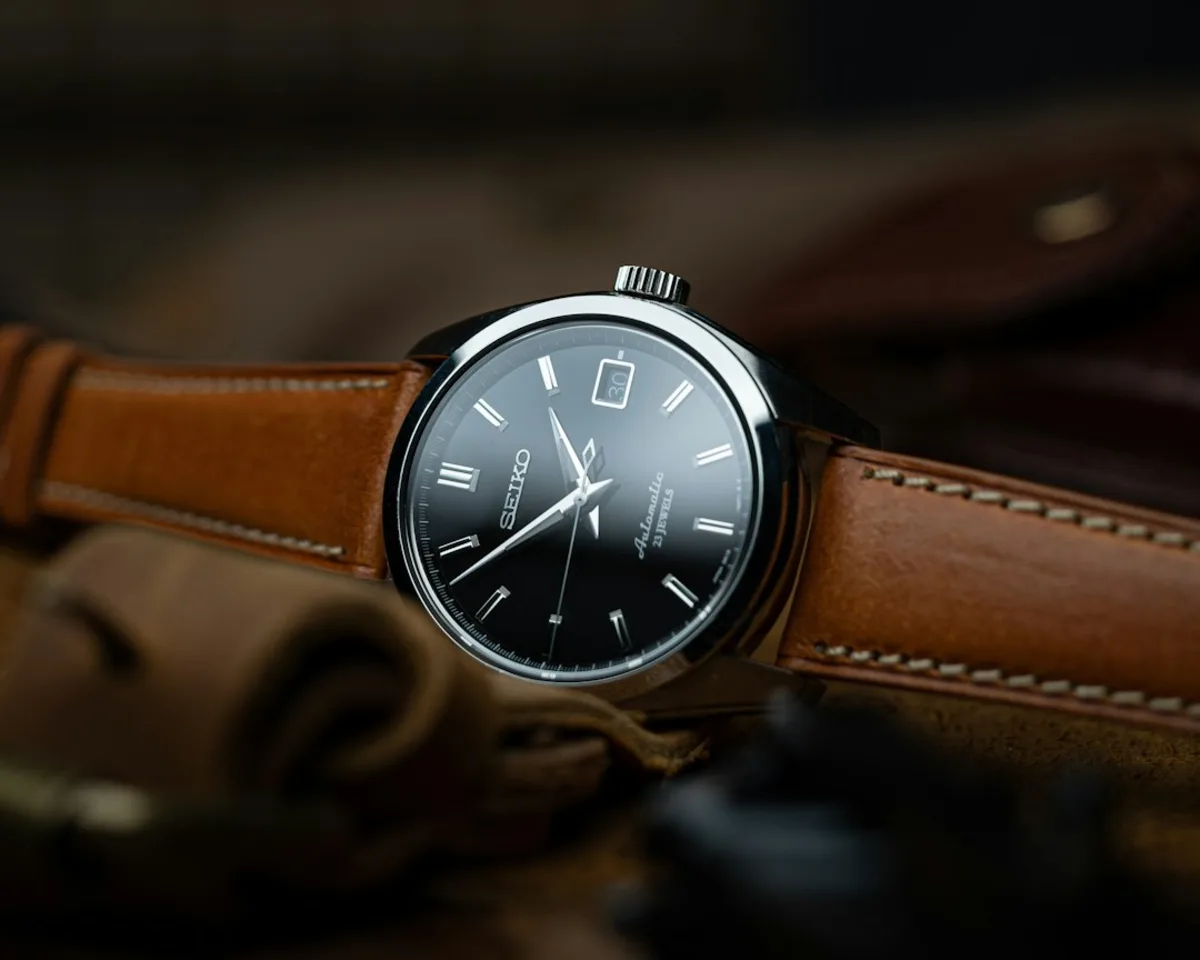
Watch Strap Guide: NATO, Rubber, Leather or Bracelet?
Changing the strap is the fastest way to change how a watch looks and feels. Here are the main watch strap types, what each is good for, and how to pick the right size.
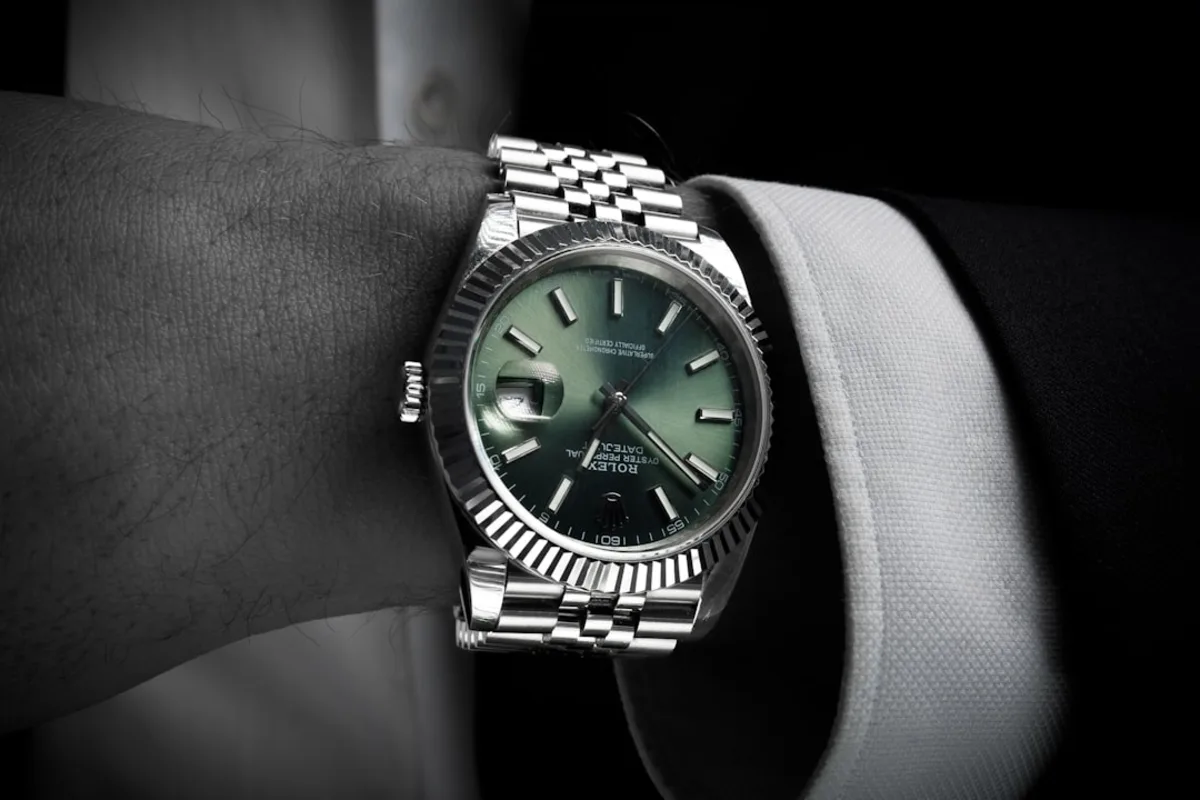
How to Clean a Watch and Bracelet Without Damaging It
A watch worn every day collects sweat, skin and grime, especially in a steel bracelet. Cleaning it takes minutes if you use the right method, and a few mistakes can cause real damage.
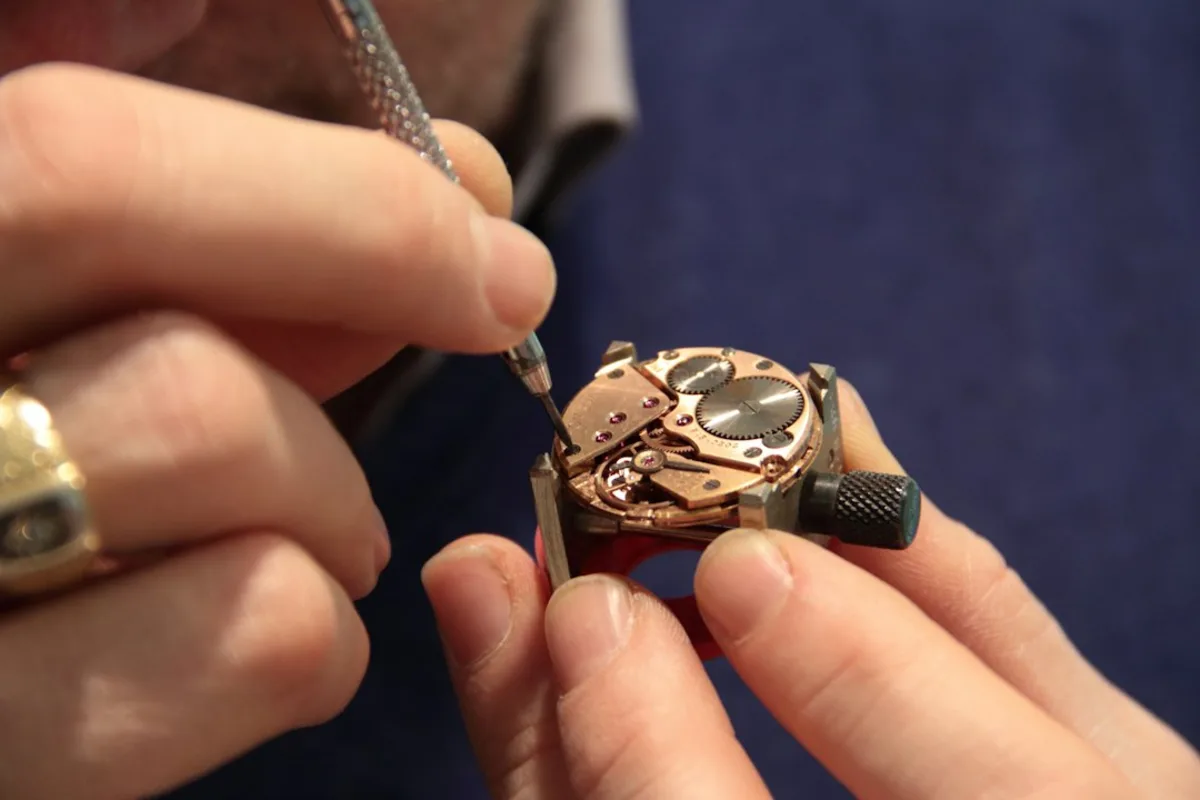
How to Wind and Set a Mechanical Watch Correctly
Winding and setting a mechanical watch takes seconds, but a few common mistakes can cause damage. Here is the correct way to do it, step by step.