Why Is My Automatic Watch Losing Time? Causes and Fixes
Your automatic watch running fast or slow isn't necessarily broken. Here's what actually causes time drift, what's normal, and when it's worth a trip to the watchmaker.
About this article: this is an informational article based on public sources: manufacturer specifications, published hands-on reviews by other outlets, owner feedback and current prices. We have not tested the watch ourselves, we are watch enthusiasts rather than professional journalists, and nothing here is buying advice. No brand paid for it. Our method
📑 Table of Contents
Someone asks this question in a watch forum thread pretty much every day of the week. "My watch is losing 15 seconds a day, is it broken?" Usually the answer is no. Sometimes it's yes. The trick to figuring out why your automatic watch is losing time is knowing the difference before you panic and send a perfectly healthy watch off for an expensive service it didn't need.
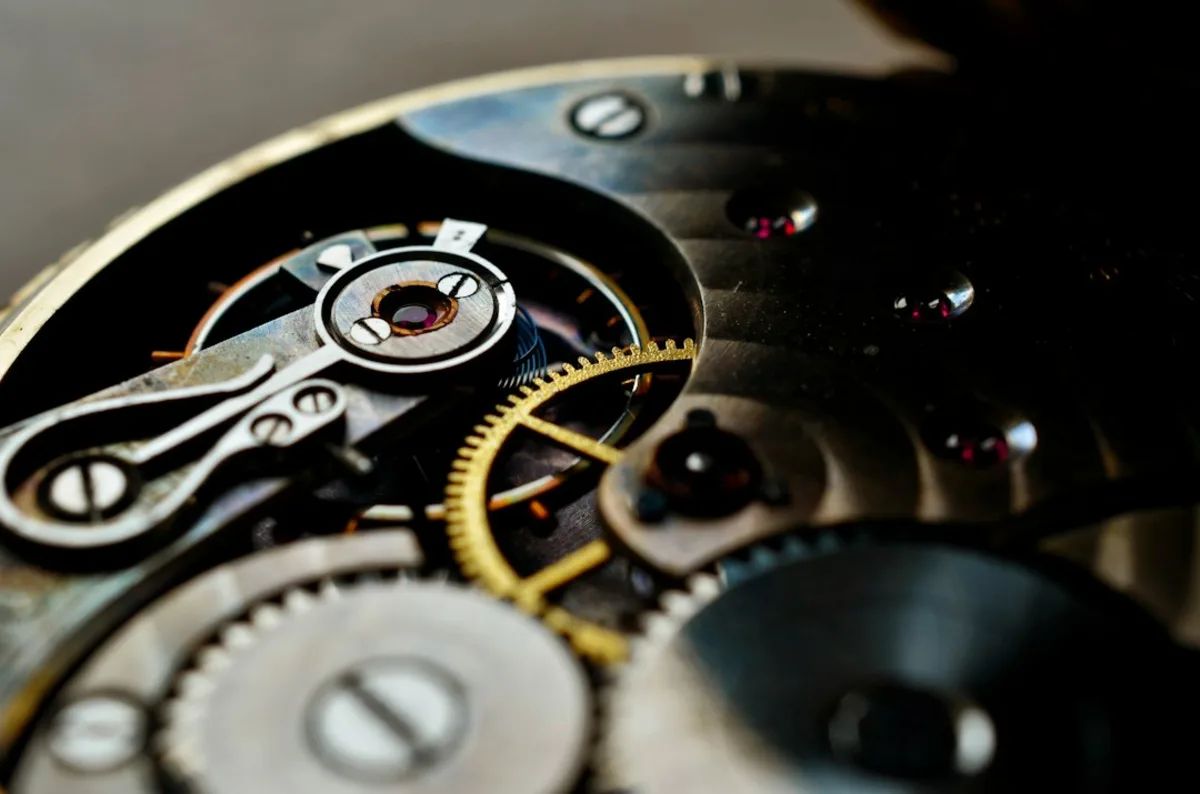
Automatic watches are mechanical objects. They're powered by a spinning rotor winding a mainspring, which unwinds through a chain of gears at a rate governed by a balance wheel ticking away at anywhere from 3Hz to 5Hz depending on the movement. That's a lot of moving parts, all subject to gravity, magnetism, temperature and basic wear. Unlike a quartz watch, which will happily sit within a second or two a month for years, a mechanical watch drifting by several seconds a day isn't a fault. It's physics.
What's Actually Normal
Modern in-house calibres from brands like Rolex or Omega are certified as chronometers. COSC allows -4 to +6 seconds a day, tested in several positions and temperatures, and Rolex and Omega hold their own watches to tighter in-house standards on top of that. That's excellent, but it's a lab result, not a lived-in one. Once the watch is on your wrist, in the real world, tolerances usually open up. Most enthusiasts consider anywhere from -5 to +15 seconds a day to be within normal range for a mechanical watch that isn't chronometer-certified, and even certified ones can drift more once they've been worn a while and picked up daily knocks.
A Seiko 5 Sports or an Orient Mako II, both using workhorse movements built for reliability and price rather than chronometer-grade accuracy, might sit anywhere from a few seconds to 20-30 seconds a day off true time out of the box. That's not a defect, that's the movement doing exactly what it was designed to do at that price point. If you want atomic-clock precision, buy a quartz watch or a radio-controlled one. If you want a mechanical heartbeat on your wrist, you accept a bit of drift as part of the deal.
The Usual Suspects
1. Magnetism
This is probably the single most common cause of a previously well-behaved watch suddenly gaining tons of time, sometimes minutes a day rather than seconds. Modern life is full of magnets: laptop lids, phone cases, kitchen speakers, handbag clasps, induction hobs, even some watch boxes. If your watch's hairspring gets magnetised, the coils can stick together intermittently, which usually makes the watch run fast, sometimes dramatically so.
The fix is simple and cheap. A demagnetiser is a small handheld device, often costing less than a decent watch strap, and either the watchmaker does it in about ten seconds or you buy one and do it yourself at home. If a watch that's been keeping reasonable time suddenly starts gaining 30 seconds, a minute, or more a day, magnetism is the first thing to suspect, not a worn-out movement.
2. Position and How You Store It
Mechanical movements run at slightly different rates depending on their orientation, dial up, dial down, crown up, crown down. This is called positional error and it's completely normal, built into how a balance wheel and escapement interact with gravity. If you leave your watch crown-down on the nightstand one week and crown-up the next, don't be surprised if the daily rate shifts by several seconds. It's not getting worse, it's just experiencing gravity differently.
3. Not Enough Wrist Time (or Winding)
An automatic watch relies on wrist motion to keep the mainspring wound. If you only wear it a few hours a day, or leave it on the desk while you work, it may not be getting fully wound, and a mainspring running low on power tends to lose accuracy before it stops altogether. This is especially true for watches with more modest power reserves. If you've noticed your watch losing time specifically towards the end of the day, or after a weekend off the wrist, under-winding is a likely cause. A manual wind top-up in the morning, or a decent watch winder if you rotate several pieces, usually sorts this out.
4. Temperature Swings
Mechanical components expand and contract with temperature. Going from a cold commute into a warm office, or wearing a watch swimming in cool water and then sitting in the sun, can shift the rate slightly. This is a minor factor for most people day to day, but it explains why a watch might run fine at home and drift differently on holiday somewhere hot or cold.
5. Genuine Wear and Servicing Needs
Lubricants inside a movement degrade over years. Most manufacturers, and most independent watchmakers, suggest a service interval of somewhere between five and ten years, depending on the brand and how the watch is used. A watch that's drifted gradually worse over several years, rather than suddenly, especially one that hasn't been serviced since new, is probably just asking for fresh oil and a proper regulation. This is completely normal ageing, not a design flaw. A Tudor Black Bay or Omega Speedmaster that's been running for a decade without attention is going to need looking at eventually, the same as a car needs its oil changed.
6. A Knock or Drop
If the time drift appeared suddenly after the watch took a knock, whether against a doorframe, dropped on a tile floor, or just banged hard during sport, the hairspring or balance can be knocked out of true. This won't always be obvious to the naked eye. If timekeeping changed abruptly after a specific incident, that's worth mentioning to a watchmaker directly, since it points to a mechanical cause rather than general drift.
How to Actually Diagnose It Yourself
Before booking anything in, it's worth doing some basic detective work at home, because it costs nothing and often answers the question outright.
- Check against a reliable source. Compare against your phone's clock, which is synced to network time, rather than another watch.
- Test over a few consistent days. Note the time each morning at the same point in your routine, then compare after 24 hours. Do this for 3-4 days rather than judging off a single day, since daily variation is normal.
- Rule out magnetism first. If the watch is gaining a lot of time, especially compared to how it used to run, get it checked with a demagnetiser before assuming anything more serious. Many watchmakers and even some jewellers will do this for free or for a nominal fee.
- Note the pattern. Is it always fast, always slow, or inconsistent? Consistent gain or loss suggests it just needs regulating. Inconsistent, unpredictable drift suggests something mechanical, possibly a hairspring issue or dirty movement.
- Think about storage position. If you use a watch winder or leave it in a specific position overnight, try changing it and see if the rate shifts.
When to See a Watchmaker
If the watch is consistently off by more than a minute a day, gaining or losing, and demagnetising doesn't fix it, that's worth a proper look. Regulation, the process of fine-tuning the rate via the balance's regulating mechanism, is a routine and relatively inexpensive job for an independent watchmaker, often a fraction of the cost of a full service. It doesn't require opening the whole movement up for an overhaul, just careful adjustment while timing it on a machine.
A full service, involving disassembly, cleaning, relubrication, and reassembly, is a bigger job and a bigger bill, but it's the right call if the watch hasn't been serviced in five years or more, or if the drift has been getting steadily worse over a long period rather than appearing suddenly. Brand service centres for the likes of Rolex or Omega will charge a premium over an independent watchmaker for broadly the same quality of work, though you do get the security of an authorised warranty and genuine parts. For everyday pieces like a Seiko or Orient, an independent watchmaker is usually the sensible and far cheaper route.
The Bottom Line
A mechanical watch losing or gaining a handful of seconds a day is doing exactly what a mechanical watch does. It's not a fault, it's the nature of tiny springs and gears governed by physics rather than an oscillating crystal. Sudden, dramatic changes in rate are the ones worth investigating, and nine times out of ten the culprit is magnetism, not a failing movement. Keep it away from speakers and laptop lids, wear it enough to keep it wound, and get it serviced on a sensible schedule, and most automatic watches will keep perfectly acceptable time for decades. Perfect time was never really the point of owning one anyway.
Written by
RevieWatches Editorial Team
RevieWatches is an independent, informational watch site. We research specifications, track pricing across retail and grey markets, and summarise what published...
More in Editor's Choice
Watch Strap Guide: NATO, Rubber, Leather or Bracelet?
Changing the strap is the fastest way to change how a watch looks and feels. Here are the main watch strap types, what each is good for, and how to pick the right size.
How to Clean a Watch and Bracelet Without Damaging It
A watch worn every day collects sweat, skin and grime, especially in a steel bracelet. Cleaning it takes minutes if you use the right method, and a few mistakes can cause real damage.
How to Wind and Set a Mechanical Watch Correctly
Winding and setting a mechanical watch takes seconds, but a few common mistakes can cause damage. Here is the correct way to do it, step by step.