What Is a COSC Chronometer and Does It Matter?
COSC certification gets printed on dials and shouted about in marketing copy, but what does it actually test, and should it change what you buy? Here's the honest breakdown.
About this article: this is an informational article based on public sources: manufacturer specifications, published hands-on reviews by other outlets, owner feedback and current prices. We have not tested the watch ourselves, we are watch enthusiasts rather than professional journalists, and nothing here is buying advice. No brand paid for it. Our method
📑 Table of Contents
Flip through any Rolex, Tudor, Breitling or Omega spec sheet and you'll bump into the word "chronometer" pretty quickly. It sounds impressive. It's printed on dials, hammered home in adverts, and treated by a lot of buyers as shorthand for "this watch is properly good." But the word has a specific, testable meaning in Switzerland, so it's worth asking what a COSC chronometer actually is before you let it sway a purchase.
What COSC Actually Is
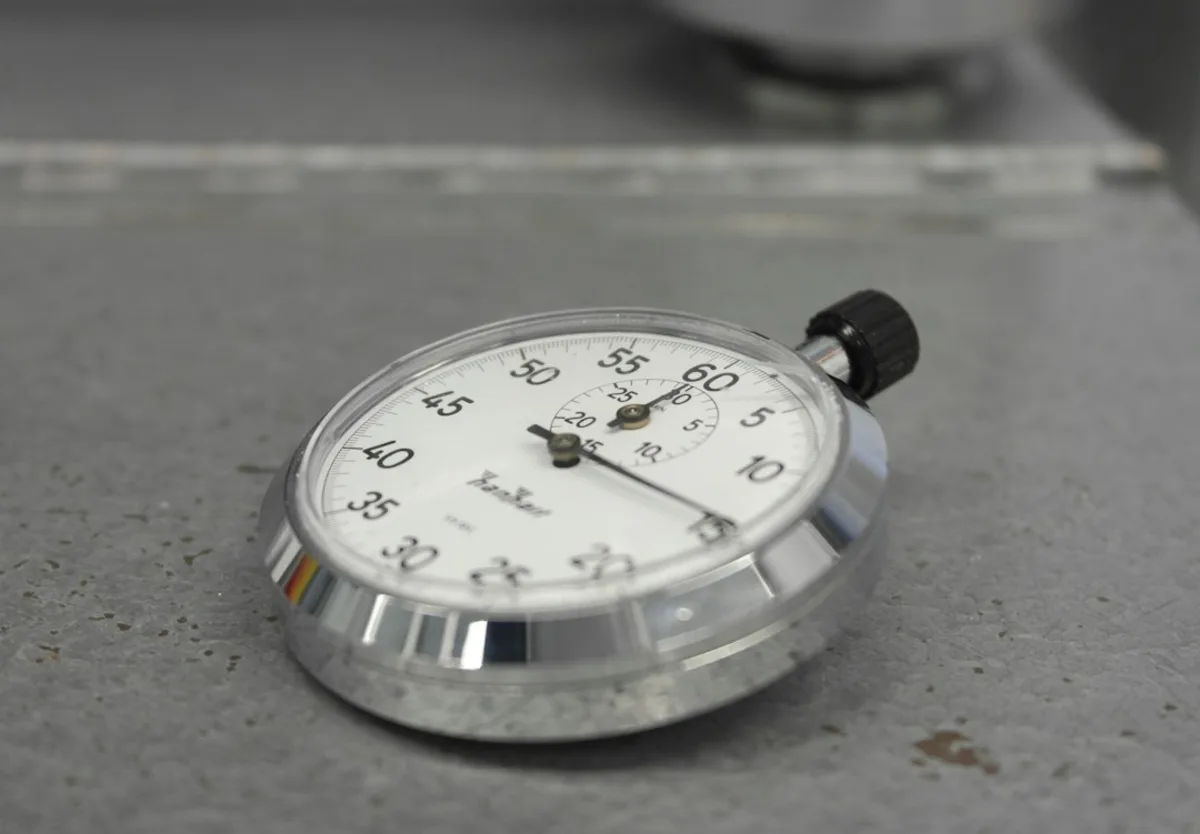
COSC stands for Contrôle Officiel Suisse des Chronomètres, the official Swiss body that tests watch movements for accuracy before they're cased up and sold. It's an independent, non-profit institute, not owned by any single watch brand, with testing facilities in Biel, Le Locle and Saint-Imier. Brands pay COSC to test their movements in bulk, and only the ones that pass get to call themselves "chronometers" and stamp that word on the dial.
Crucially, COSC tests the movement on its own, before the case, dial and hands go on. That distinction matters more than most marketing copy lets on, and I'll come back to it.
The Actual Standard
To pass, a mechanical movement has to keep time within -4 to +6 seconds a day. That's the official ISO 3159 standard COSC works to. The movement gets tested over 15 days, in five different positions, and at three different temperatures, to simulate how it might sit and move in real life, on a wrist, in a drawer, in the cold, in the heat. Only movements that stay inside that window across all those conditions get the certificate.
For context, an average uncertified automatic movement might run anywhere from -20 to +40 seconds a day depending on quality, condition and how it's regulated. So a -4/+6 standard is a genuinely tighter tolerance, not just a rubber stamp.
Who Actually Uses It
Rolex is the brand most associated with COSC, and for good reason. Every single movement Rolex makes, across the entire catalogue including the Submariner, is COSC certified. But Rolex doesn't stop there. It goes a step further with what it calls "Superlative Chronometer" certification, which tests the fully cased watch (not just the bare movement) for accuracy, power reserve and water resistance, to a tighter window of -2/+2 seconds a day. That's Rolex's own in-house standard sitting on top of COSC, and it's part of why Rolex watches have such a strong reputation for just working, reliably, without fuss.
Tudor, Rolex's sister brand, also runs COSC certification on most of its automatic movements, including the ones inside the Black Bay range, which is one of the more compelling arguments for that watch's value. You're getting genuine chronometer-grade accuracy at a fraction of what a Submariner costs.
Omega used to rely heavily on COSC too, but these days it layers its own METAS certification on top (or in some cases instead), which tests the finished watch for accuracy, resistance to magnetism up to 15,000 gauss, and power reserve. A modern Omega Speedmaster with a Master Chronometer movement has actually been through a more demanding process than plain COSC certification, even though the older Speedmaster models people associate with the moon landing weren't COSC rated at all.
Breitling certifies effectively its entire mechanical range through COSC, which is a genuinely notable commitment given the size of that catalogue. Longines, TAG Heuer and Chopard also submit various lines. It's not a small club, but it's not universal either.
Who Doesn't Bother, and Why That's Not Necessarily a Problem
Seiko doesn't submit its 5 Sports range to COSC, and Orient doesn't send the Mako II either. Neither brand is chasing that certificate, and neither watch is marketed as a precision instrument. That's fine. Seiko has its own internal accuracy grading for higher-end calibres, and the 5 Sports line was never pitched as a chronometer, it's pitched as a genuinely well-built automatic at a price where you shouldn't expect Swiss-level regulation. Judging it against a COSC standard would be a bit like criticising a hatchback for not handling like a sports car it was never built to be.
So Does It Actually Matter?
Here's where I think a lot of buyers overthink this. COSC certification tells you the bare movement was tested and passed a tight accuracy window before casing. It's a real, meaningful, independently verified standard. It is not nothing.
But a few honest caveats are worth sitting with.
- The case can change things. Once a COSC-certified movement gets cased, regulated slightly, and sits on someone's wrist with its own temperature, movement pattern and magnetic exposure, actual real-world accuracy can drift. This is exactly why Rolex and Omega both added their own finished-watch testing on top of COSC. A bare movement passing a lab test doesn't guarantee the watch on your wrist will behave identically.
- Non-certified doesn't mean bad. Plenty of watches without a COSC certificate keep time just as well, or close to it, in daily wear. A well-regulated movement from Seiko or a solid ETA-based calibre from a microbrand can easily land within a handful of seconds a day, even without ever going near COSC's labs. The certificate is proof, not a guarantee that everything else is worse.
- Quartz makes the whole conversation look quaint. A cheap quartz watch, the kind you can buy for the price of a decent meal out, will typically be accurate to within about 15 seconds a month, which comfortably beats even a COSC-certified mechanical movement on raw numbers. Nobody buying a mechanical chronometer is doing it purely for timekeeping performance. They're doing it because they like the idea of a tiny mechanical engine being held to a genuine, independently tested standard. That's a legitimate thing to care about. Just be honest with yourself about why you care about it.
Where It Genuinely Earns Its Keep
I think COSC matters most as a floor, not a ceiling. If you're choosing between two roughly similar mechanical watches and one is COSC certified and the other isn't, that's a real point in favour of the certified one, all else being equal. It tells you the brand paid an independent body to hold their movement to a tougher standard than the industry baseline, and that the movement passed. For brands like Tudor, it's a genuine value-add sitting inside a watch that already undercuts its bigger sibling on price.
It also matters for resale and long-term trust. A COSC-certified movement from a brand like Rolex or Tudor tends to age well in terms of regulation, and servicing centres are well set up to bring an out-of-spec chronometer back into its original tolerance, because the standard it's being regulated to is documented and consistent.
What I'd push back on is treating the word "chronometer" as a proxy for overall quality, finishing, or how enjoyable a watch is to own. It tells you almost nothing about case finishing, bracelet comfort, dial legibility or how a watch wears day to day. Plenty of chronometer-certified watches are dull to look at, and plenty of non-certified watches are genuinely lovely pieces of design and engineering that just weren't put through that particular Swiss test.
The Bottom Line
COSC is real, independently administered, and genuinely tougher than the industry average. It's worth something. But it's a narrow, specific claim about accuracy under lab conditions, not a broad certificate of excellence. If you're deciding between a Tudor Black Bay and something similarly priced without certification, let it nudge you, fairly. Just don't let three letters on a dial do all your thinking for you.
Written by
RevieWatches Editorial Team
RevieWatches is an independent, informational watch site. We research specifications, track pricing across retail and grey markets, and summarise what published...
More in Editor's Choice
Watch Strap Guide: NATO, Rubber, Leather or Bracelet?
Changing the strap is the fastest way to change how a watch looks and feels. Here are the main watch strap types, what each is good for, and how to pick the right size.
How to Clean a Watch and Bracelet Without Damaging It
A watch worn every day collects sweat, skin and grime, especially in a steel bracelet. Cleaning it takes minutes if you use the right method, and a few mistakes can cause real damage.
How to Wind and Set a Mechanical Watch Correctly
Winding and setting a mechanical watch takes seconds, but a few common mistakes can cause damage. Here is the correct way to do it, step by step.