How to Wear a Watch With a Suit (Without Looking Like a Tourist)
Getting the watch right for formal wear isn't about owning a Patek. It's about proportion, restraint, and knowing when to break the rules.
About this article: this is an informational article based on public sources: manufacturer specifications, published hands-on reviews by other outlets, owner feedback and current prices. We have not tested the watch ourselves, we are watch enthusiasts rather than professional journalists, and nothing here is buying advice. No brand paid for it. Our method
📑 Table of Contents
A Seiko dive watch can turn up at a black-tie wedding just as easily as a 44mm Panerai can ruin a £3,000 suit by sticking out like a can of beans strapped to the wrist. The question of how to wear a watch with a suit isn't really about price or prestige. It's about proportion, context, and not looking like you got dressed in the dark.
Most advice on this topic is either useless ('match your metals!') or absurdly prescriptive ('never wear a chronograph after 6pm'). Here's what actually matters, based on how these watches are built and how they're widely reported to behave in practice.
The Cuff Test (This is the Only Rule That Matters)
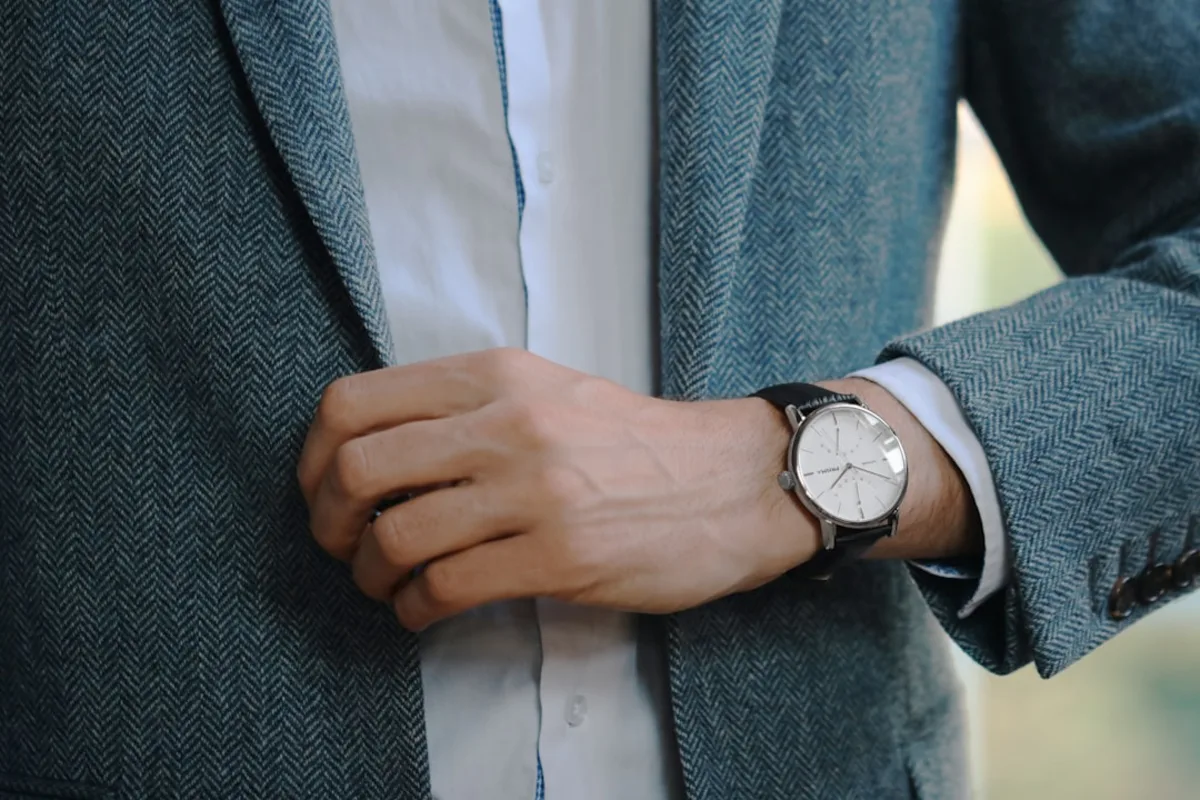
Forget everything else for a second. If a watch doesn't slip under a shirt cuff during normal movement, it's already lost the battle. It doesn't matter if it's a vintage Patek. If it snags on the fabric every time an arm reaches for a drink, it looks like it was borrowed from someone's dad and worn over the shirt instead of under it.
That means two things: case diameter under 40mm for most wrists, and thickness under 12mm, ideally closer to 10mm. Yes, this rules out most chunky dive watches, G-Shocks and bulky tool watches, with a few slim exceptions covered below. That's the point.
A good rule of thumb is to size down for formal wear rather than up. A watch that sits comfortably at 40mm day to day might reasonably drop to 36 or 38mm for a suit. The dress shirt cuff is unforgiving. It will tell on you if the proportions are wrong.
Strap vs Bracelet (Where the Conventional Wisdom Falls Short)
The conventional wisdom is leather strap for suits, bracelet for everything else. It's a reasonable starting point, but it doesn't hold up as an absolute rule. Plenty of thin bracelets look entirely at home with tailoring.
Here's what actually works: thin bracelets, think vintage Omega rather than modern Rolex, are fine with suits. They're sleek, they slip under the cuff, and they don't require owning six different straps. But thick, sporty bracelets, the kind with chunky centre links and brushed edges, tend to look better suited to a kayak trip than a boardroom.
If you go leather, match the strap to your shoes and belt. Black shoes, black strap. Brown shoes, brown strap. This isn't a style flourish, it's basic coherence. A tan strap with black Oxfords looks like the outfit was assembled in stages across two different days.
Alligator and crocodile are traditional, but calf leather works fine and costs a tenth as much. Just avoid anything shiny or distressed. Save the vintage patina straps for casual wear.
Matching Metals (Or Not)
People get neurotic about this. Gold watch with gold cufflinks, steel watch with steel belt buckle. It's not wrong, but it's not mandatory either.
What matters more: don't mix warm and cool metals in the same outfit. A steel watch with yellow gold cufflinks looks confused. Steel with white gold or platinum is fine. A yellow gold watch with a rose gold wedding band is also fine. But steel and yellow gold in the same visual field tends to look like two different jewellery boxes got raided at once.
A simple approach is to pick one metal tone, silver or gold, and stick to it across the watch, cufflinks and belt buckle. Consistency beats perfection, and it's far less effort than curating multiple matching sets.
Dial Colours That Work
White, black, and dark blue are the safest choices.
White is the safest. It works with every suit colour, every shirt, every occasion. A white dial dress watch is the Swiss army knife of formal wear. Boring? Maybe. But the goal is to look competent, not interesting.
Black dials work with darker suits (charcoal, navy, black). They look sharp with a white shirt. Less versatile than white, but more traditional for evening wear.
Blue dials (dark navy, not bright blue) have become the default 'interesting but not weird' choice. They work, and it's easy to see why so many brands lean on them. The trade-off is that they're everywhere now, so anyone trying to stand out is standing in a very large crowd.
Everything else, green, burgundy, salmon, champagne, can work, but it's playing on hard mode. The dial has to be matched to the suit colour, the lighting, the occasion. It's the watch equivalent of a patterned tie. Possible, but easy to get wrong.
Sports Watches With Suits (When It Works)
A Rolex Submariner worn with a suit can look fine, if not quite ideal. Modern dress codes are more relaxed than they were in 1965, and a slim dive watch (40mm, simple dial, on a leather strap) can work in business casual environments, especially when the suit itself is less formal (unstructured, no tie, loafers instead of Oxfords).
But there are limits. Chunky chronographs, bright orange dive bezels, anything over 42mm: all of these are a step too far. And if the invitation says 'black tie', the sports watch stays at home. Price is irrelevant here. It's still the wrong choice.
A useful test: if the watch needs justifying ('it's a classic!', 'it's vintage!'), it's already lost. A watch that genuinely works with a suit shouldn't need explaining.
Which Wrist (Seriously)
Left wrist if right-handed, right wrist if left-handed. Wearing it opposite the dominant hand keeps it out of the way of writing, handshakes and cutting food.
Some people wear it on their dominant wrist because it's easier to put on, which is fair enough. But a watch rattling against someone else's cufflinks mid-handshake is a small, avoidable, tactical error.
Also worth noting: the watch should sit above the wrist bone, not loose halfway up the forearm. This is a surprisingly common mistake. It should sit snug where the wrist meets the hand, not tight enough to leave marks, but tight enough that it doesn't slide around.
Four Watches That Actually Work
Examples help. Here are four watches that work with suits across different price points, based on their published dimensions and their reputation among owners and reviewers.
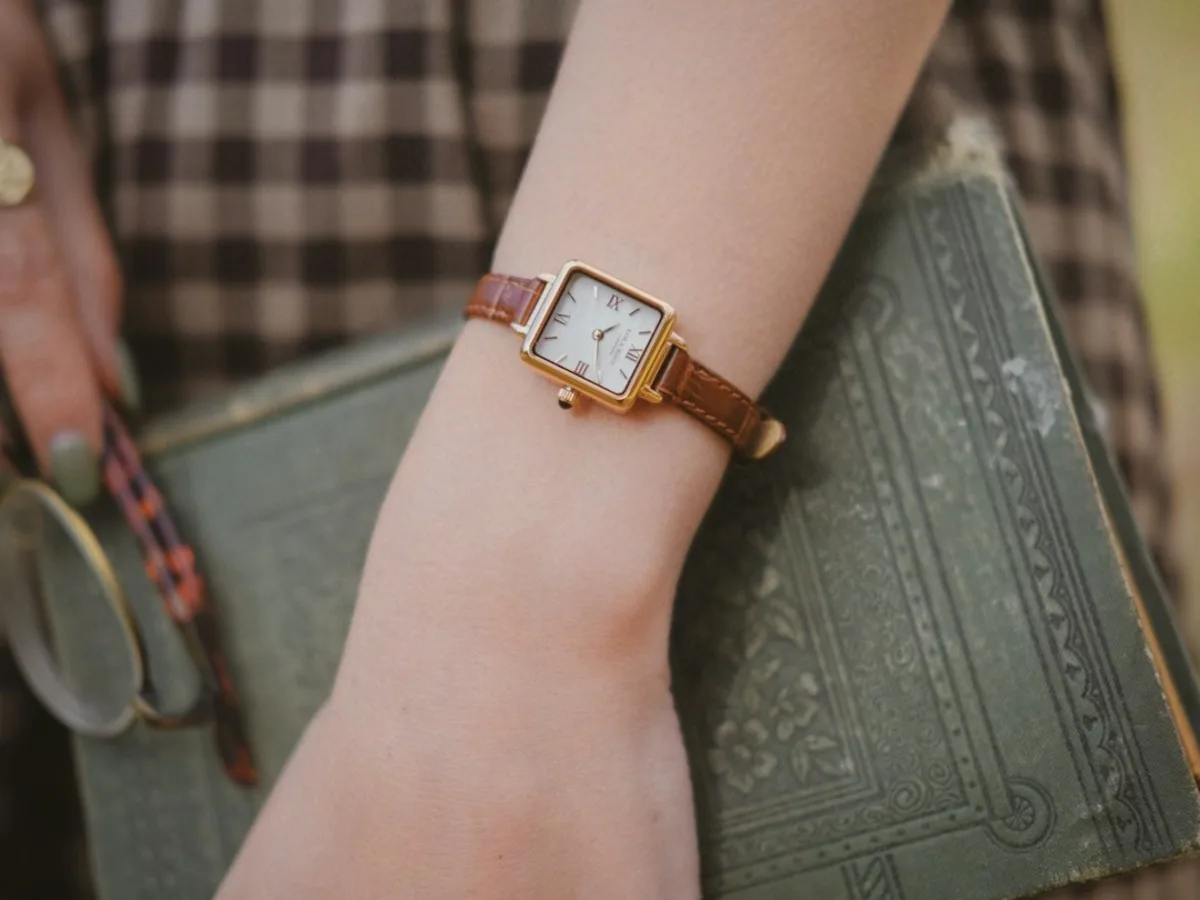
Cartier Tank. The platonic ideal of a dress watch. Thin, rectangular, elegant without trying. It works with everything from a morning meeting to a wedding. Prices for a used example start around £2,500, and for many it's the last dress watch they'd ever need. The Tank Louis Cartier in particular is widely regarded as simple, small and close to perfect for this purpose.
Jaeger-LeCoultre Reverso. Another icon. The flippable case is a party trick, but more importantly it's thin, distinctive and, by design, built to slide under a cuff. Prices vary wildly depending on the model, but expect £4,000 and up for anything halfway decent.
Seiko Presage. The accessible option, around £300-600 depending on the model. Not as refined as the Swiss options, but a decent movement, good proportions and a dial that doesn't scream 'budget'. The enamel dial versions are particularly well regarded. On proportion alone, one of these tends to beat a poorly sized luxury watch.
Orient Bambino. For a genuine budget option (under £200), this is the standout. Automatic movement, domed crystal, clean dial. It looks more expensive than it is, which is the whole point. The case runs a touch thick for a true dress watch, but at this price that's a minor complaint.
What Not to Do
Avoid wearing a smartwatch with a suit unless working in tech, and even then it's worth reconsidering. The black rectangle on the wrist tends to read as a security pass, however many emails it lets you read.
Don't wear a watch over the shirt cuff. This is not the 1970s. It looks ridiculous rather than stylish.
Avoid a date window sitting at 4:30 or some other random position, unless there's an appetite for explaining to people why the watch looks broken. Centre date, or 3 o'clock, or 6 o'clock. Everything else is a design misstep.
And it's worth keeping a simple black-dial dress watch on hand for occasions that demand it, so a weekend watch never ends up in the photos from a funeral by accident.
The Real Rule
Honestly, most people won't notice the watch. They'll notice if it's too big, too shiny, or too loud. But a well-chosen dress watch is invisible until someone asks about it, and then it reads as a compliment on taste rather than spending.
That's the goal. Not to impress, but to avoid distracting. A watch with a suit should look like it belongs there, like it was put on without a second thought because it was the obvious choice.
Get the proportions right, keep it simple, and don't overthink it. The watch is the least important part of the outfit, which is exactly why getting it wrong is so noticeable.
Written by
RevieWatches Editorial Team
RevieWatches is an independent, informational watch site. We research specifications, track pricing across retail and grey markets, and summarise what published...
More in Dress Watches
Jaeger-LeCoultre Reverso Buying Guide: Which Model to Choose
The Reverso family has grown into a proper maze of sizes, complications and dial layouts. Here's how to work out which version actually suits how you'd wear it.

Aerowatch: Is This Small Swiss Watchmaker Any Good?
Aerowatch is a small, family-owned Swiss brand best known for pocket watches, skeleton dials and classical designs. We looked at its history, movements, prices and warranty.
Jaeger-LeCoultre Reverso Classic: The Elegant Complication You Never Use
The JLC Reverso has been on watch collectors' wish lists for decades. Here's a closer look at what makes this Art Deco flip-case dress watch so compelling, and why owners rarely use the mechanism that made it famous.