Omega Speedmaster Moonwatch Buying Guide: Hesalite or Sapphire?
The Moonwatch has barely changed in decades, but the choice between versions still matters. Here is what separates the Hesalite and Sapphire Sandwich models, and the older calibres.
About this article: this is an informational article based on public sources: manufacturer specifications, published hands-on reviews by other outlets, owner feedback and current prices. We have not tested the watch ourselves, we are watch enthusiasts rather than professional journalists, and nothing here is buying advice. No brand paid for it. Our method
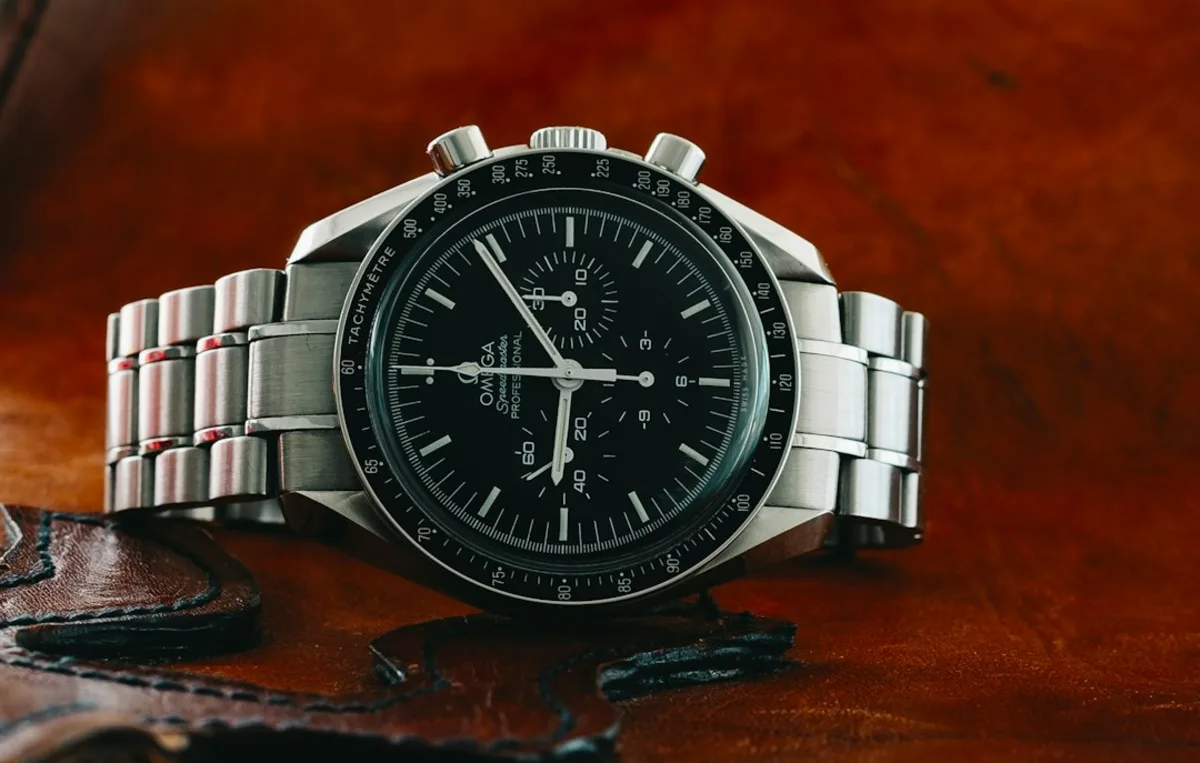
At a glance
- Power
- 50 hours
- Water resistance
- 50m
- Often praised
- Unmatched history as the watch worn on the Moon
- Common criticism
- Manual winding needed every day or two
📑 Table of Contents
This Omega Speedmaster Moonwatch buying guide is for anyone who has decided they want the watch that went to the Moon, and now faces a surprisingly tricky choice between versions. The design has changed very little since the 1960s, but the details between models matter more than they first appear.
Why the Moonwatch Matters
The Speedmaster was introduced in 1957. After testing by NASA it was flight-qualified in 1965, and in July 1969 it was worn on the Moon during the Apollo 11 mission. That history is the reason the Speedmaster Professional is known as the Moonwatch, and the reason Omega has kept its design so close to the original.
The Current Moonwatch: Calibre 3861
Since 2021 the Speedmaster Moonwatch Professional has used the calibre 3861, a manually wound chronograph with a Co-Axial escapement and METAS Master Chronometer certification. It has a 50-hour power reserve. The case measures 42mm and is water resistant to 50 metres.
Because it is manually wound, the Moonwatch needs winding by hand every day or two. Many owners enjoy that ritual. If you want a watch that winds itself, the Moonwatch is not the right Speedmaster for you.
Hesalite vs Sapphire Sandwich
The current Moonwatch comes in two main steel versions, and this is the choice most buyers agonise over.
Hesalite
- Hesalite, Omega's name for its acrylic crystal, is faithful to the watches worn in space. It cracks rather than shatters, which is why it was preferred for spaceflight.
- It scratches easily, but light scratches can be polished out cheaply at home.
- The caseback is solid steel.
- The Omega logo on the dial is printed, and the bracelet is fully brushed.
Sapphire Sandwich
- Sapphire crystals front and back, so the calibre 3861 is visible through the caseback.
- Far more scratch resistant and generally clearer, though sapphire is more expensive to replace if it chips or cracks.
- The Omega logo on the dial is applied, and the bracelet has polished centre links.
- It costs more than the Hesalite version.
Both use the same movement. The choice comes down to heritage and warmth on one side, and practicality and a view of the movement on the other.
Older Moonwatches: 1861 and 861
Before the 3861, the Moonwatch used the calibre 1861 and, before that, the calibre 861, introduced in 1968. These earlier watches are still widely available pre-owned and are often cheaper than a new 3861. They are not Master Chronometer certified, and servicing an older movement is worth budgeting for, but many collectors prefer them for their history.
For vintage references before the 861, such as those using the calibre 321, the market becomes far more specialised, and expert authentication is essential.
How to Choose
- You want the most authentic Moonwatch experience: Hesalite 3861.
- You want the most practical everyday version: Sapphire Sandwich 3861.
- You want the Moonwatch look for less money: a pre-owned 1861 in good condition with service history.
- You want a piece of history: a vintage 861 or earlier, bought with expert help.
Things to Check When Buying Pre-Owned
- Service history and whether the movement matches the reference.
- Original or replaced dial, hands and bezel, which affects value significantly on older examples.
- Box and papers, which help resale but do not change how the watch performs.
The Bottom Line
I think the Hesalite 3861 is the purest Moonwatch and the one that best honours why people want a Speedmaster in the first place. The Sapphire Sandwich is the smarter choice if the watch will take daily knocks. Either way, you are buying one of the few watches whose story genuinely lives up to its reputation.
Related reading
- Vintage Omega Speedmaster: The Moon Watch You Can Actually Afford
- TAG Heuer Carrera vs Omega Speedmaster: Which Chronograph Wins?
- Sapphire vs Mineral vs Acrylic Watch Crystal: A Practical Guide
Frequently Asked Questions
Should I buy the Hesalite or Sapphire Speedmaster?
Choose Hesalite for authenticity and the look of the original Moonwatch, with cheap scratch polishing. Choose Sapphire Sandwich for scratch resistance, an applied logo, polished bracelet links and a view of the movement through the caseback.
Is the Speedmaster Moonwatch automatic?
No. The Moonwatch Professional uses the manually wound calibre 3861, which needs winding by hand every day or two. It has a 50-hour power reserve.
Can you swim with an Omega Speedmaster?
It is rated to 50 metres, which is fine for rain and hand washing. It is not designed for swimming, and the chronograph pushers should never be used in water.
What is the difference between the 3861 and the 1861?
The 3861, introduced in 2021, adds a Co-Axial escapement and METAS Master Chronometer certification. The earlier 1861 is not Master Chronometer certified but remains a popular and often cheaper pre-owned option.
⚙️ Specifications
✅ Pros
- +Unmatched history as the watch worn on the Moon
- +Calibre 3861 is Master Chronometer certified
- +Choice of authentic Hesalite or practical sapphire
- +Strong pre-owned market for older 1861 models
❌ Cons
- −Manual winding needed every day or two
- −Only 50m water resistance
- −Hesalite scratches easily
- −Sapphire version costs more for the same movement
Written by
RevieWatches Editorial Team
RevieWatches is an independent, informational watch site. We research specifications, track pricing across retail and grey markets, and summarise what published...
More in Sports Watches
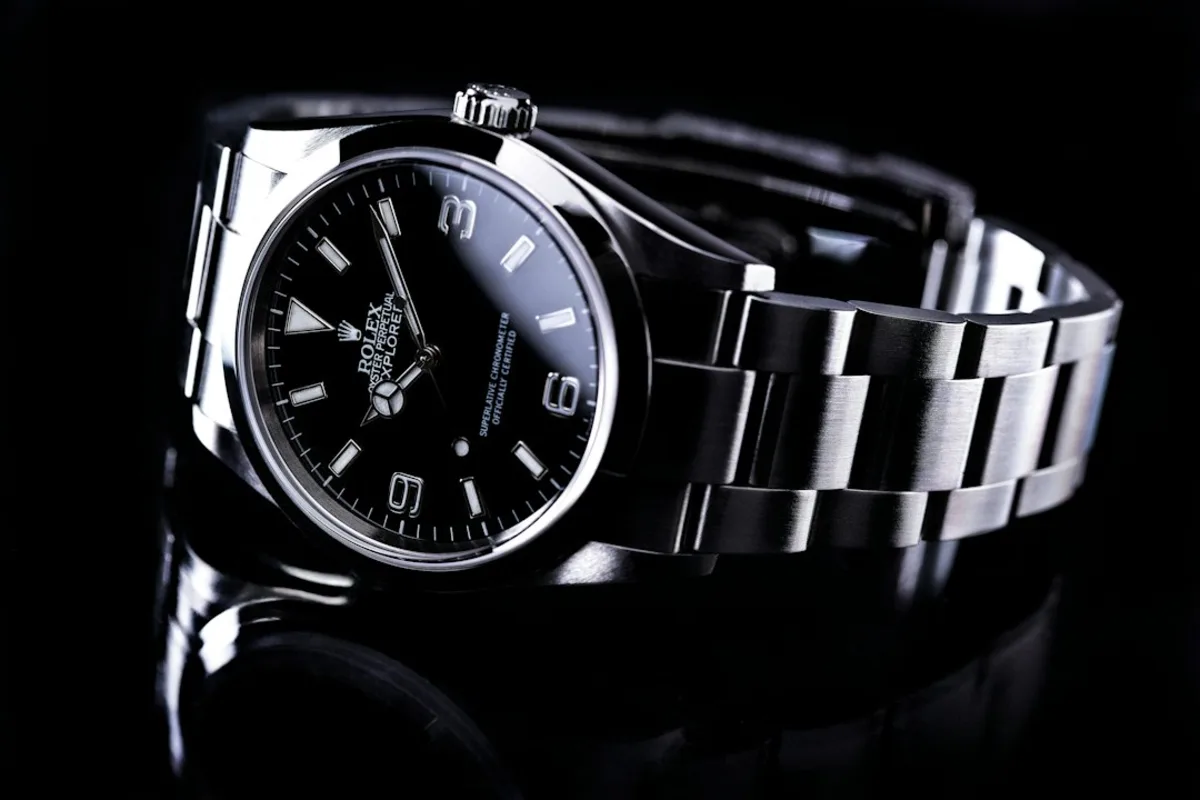
Rolex Explorer vs Explorer II: Which One Is for You?
They share a name, but the Explorer and Explorer II are very different watches. One is a pared-back three-hander, the other a 42mm GMT with a fixed 24-hour bezel.
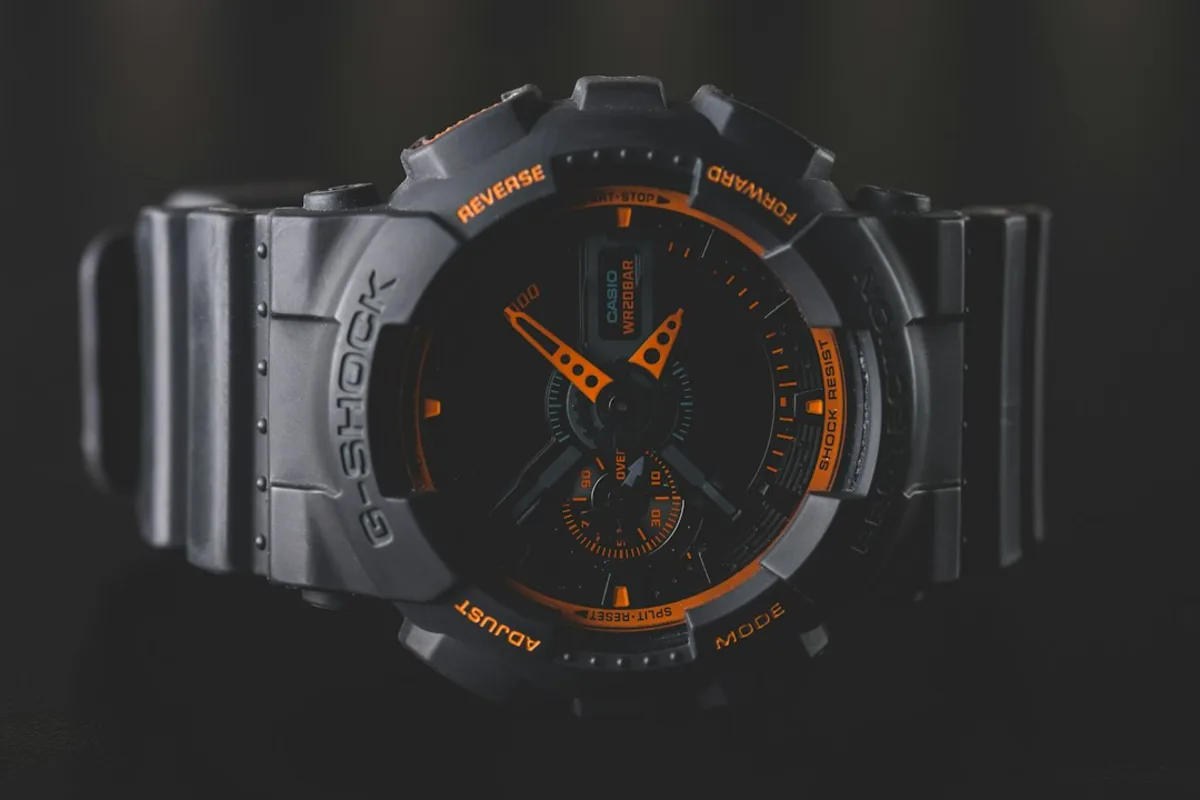
Casio G-Shock Buying Guide: Which Series Is Right for You?
Casio's G-Shock range runs from ten-quid resin squares to four-figure titanium dive watches. Here's how to work out which tier actually suits how you live, not just how it looks on a wrist shot.
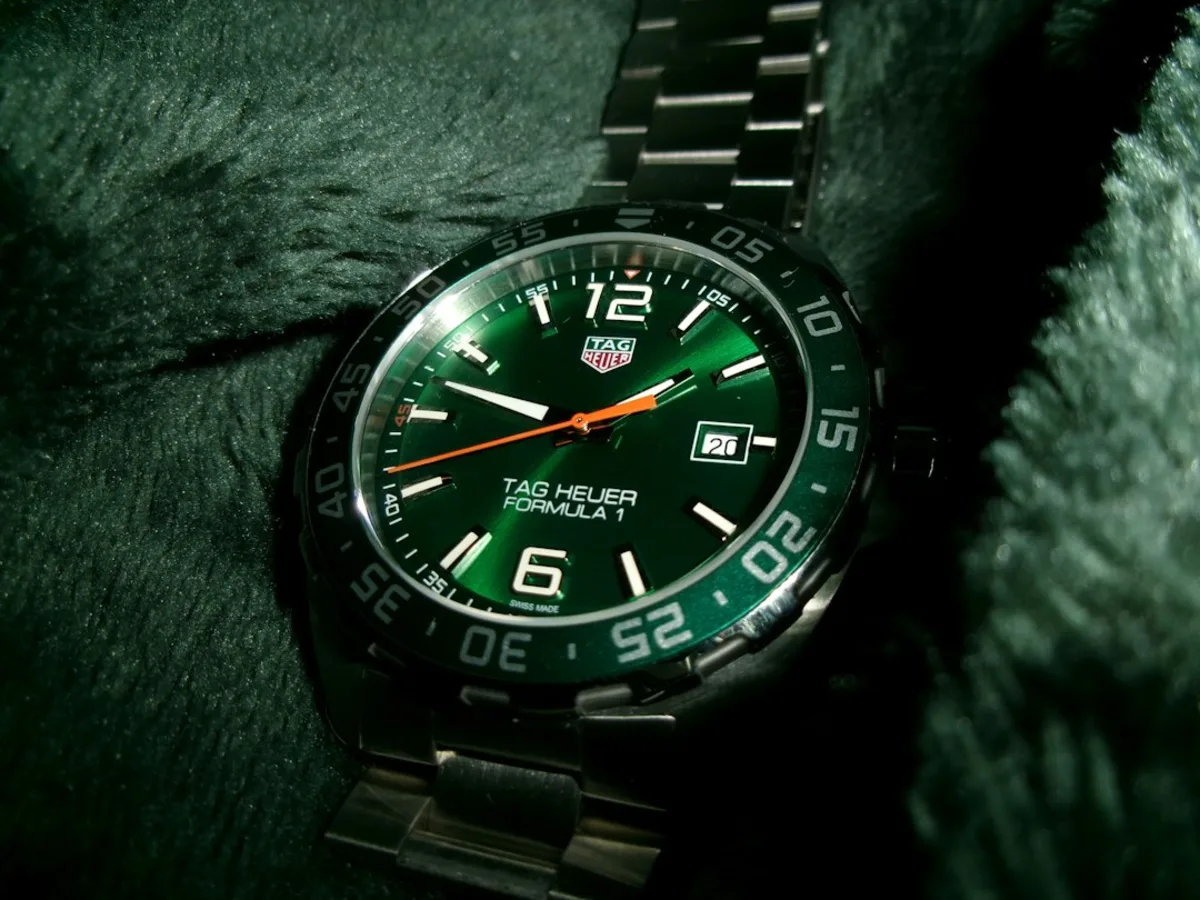
TAG Heuer Carrera vs Omega Speedmaster: Which Chronograph Wins?
Two of the most important chronographs in watchmaking, one built for the racetrack and one built to go to the moon. Here's how the Carrera and Speedmaster actually stack up.