TAG Heuer Carrera vs Omega Speedmaster: Which Chronograph Wins?
Two of the most important chronographs in watchmaking, one built for the racetrack and one built to go to the moon. Here's how the Carrera and Speedmaster actually stack up.
About this article: this is an informational article based on public sources: manufacturer specifications, published hands-on reviews by other outlets, owner feedback and current prices. We have not tested the watch ourselves, we are watch enthusiasts rather than professional journalists, and nothing here is buying advice. No brand paid for it. Our method
📑 Table of Contents
If you want to start an argument in a watch forum, ask people which chronograph they'd buy with one slot left on their wrist: the TAG Heuer Carrera or the Omega Speedmaster. Both are motorsport-adjacent, both have decades of history behind them, and both get recommended constantly as the 'sensible' step up from something like a Seiko 5 Sports or an Orient Mako II once you've decided you actually want a proper Swiss chronograph movement ticking away under the dial.
But they're not really the same watch wearing different badges. The Carrera was built for racing drivers in the early 1960s, designed by Jack Heuer with legible, symmetrical dials so you could read elapsed time at a glance while doing something considerably more dangerous than checking your phone at a red light. The Speedmaster started life as a motorsport chronograph too, but its whole identity got hijacked (in the best possible way) by NASA and the Apollo missions. One went to Le Mans. The other went to the Sea of Tranquility. That's a hard act for any watch to follow, and it shapes everything about how these two are designed, marketed and worn today.
Design
The Carrera's design language is all about clarity and proportion. Jack Heuer wanted a chronograph you could actually read mid-corner, so the dial is uncluttered, the sub-dials are evenly spaced, and there's a tapered case that was genuinely unusual for its era. Modern Carreras keep that DNA but have grown a bit fussier over the years, with faceted lugs, sunburst dials and, on some references, a day-date window that Jack himself probably wouldn't have signed off on. TAG has also swung between case sizes over the decades, from trim vintage-inspired pieces up to considerably larger 43-45mm sports chronographs, so 'the Carrera' isn't really one watch, it's a family with a lot of variation in it.
The Speedmaster, particularly the Moonwatch Professional, has barely changed since the 1960s, and that's the entire point. The asymmetric case, the applied Omega logo, the tachymeter bezel, the twisted lyre lugs. It's one of the very few watches where 'looks basically identical to the original' is treated as a selling point rather than a lack of imagination, because the original was already right. Compare that to the Rolex Submariner, another design that hasn't strayed far from its roots, and you start to see a pattern: the watches with the strongest historical claim to fame tend to resist redesign, because owners would revolt if they touched it too much.
Movement
This is where the two watches genuinely diverge in philosophy. The Speedmaster Moonwatch famously runs on a manual-wind chronograph movement (the calibre 1861, and more recently the upgraded 3861 with a co-axial escapement), which means you wind it by hand every day or two. That's not a flaw so much as a deliberate choice to preserve the exact mechanical character that went to the moon. Manual winding also keeps the movement thinner and, for purists, feels more honest, more connected to the watch, than letting a rotor do the work for you.
The Carrera, by contrast, is built around TAG Heuer's in-house Calibre Heuer 02, an automatic column-wheel chronograph with a genuinely impressive power reserve, widely reported at around 80 hours. That's roughly double what most automatic chronographs offer, and it means the watch can sit in a drawer over a long weekend and still be running (and roughly on time) when you pick it back up, no winding required. For anyone who owns more than one or two watches and rotates between them, that's not a small thing.
So you're choosing between a movement with historical weight and manual charm, and a movement with modern convenience and a stronger power reserve. Neither is objectively better. It depends whether you like the ritual of winding a watch or would rather not think about it.
Daily Wearability
The Speedmaster's water resistance is famously modest, around 50 metres on the standard Moonwatch, which tells you everything about how Omega expects it to be used. It's not a dive watch, and treating it like one is missing the point entirely. It's a tool watch for timing things, showing off a genuinely remarkable design, and reminding you that it went somewhere no other watch has been. Reviewers consistently note that despite its 42mm case, it wears smaller than the number suggests, thanks to short lugs and a relatively thin profile for a chronograph.
The Carrera, especially in its automatic Heuer 02 form, tends to be a chunkier proposition on the wrist, with cases that often run larger and thicker to accommodate the movement. It's generally rated for a bit more everyday knockabout use, and the automatic winding means you're not stopping to reset the time every time you pick it up after a few days off. Neither watch is a gym watch or a swimming companion in the way a Rolex Submariner or a Tudor Black Bay might be, but the Carrera edges slightly closer to 'wear it and forget about it' living.
Value
Both sit in roughly the same price bracket once you're looking at the automatic Carrera against the manual Speedmaster Professional, generally in the higher four-figure range, with the Speedmaster's manual Moonwatch and the newer 3861-equipped versions often landing a bit above where the entry Carrera chronographs sit. Where things get interesting is resale and long-term desirability. The Speedmaster has an almost unmatched story to lean on, and that heritage tends to hold its value better on the used market than most of TAG Heuer's catalogue, which has had a more inconsistent reputation over the decades, partly due to sheer product range and partly due to TAG's more mid-market positioning compared to Omega.
That said, the Carrera with the Heuer 02 movement represents a genuinely strong case for value if you're buying to wear rather than to speculate. You're getting an in-house column-wheel chronograph with a far longer power reserve than most rivals at a price that, model for model, tends to undercut the equivalent Speedmaster. If you're chasing brand cachet and resale confidence, Omega wins. If you want the most mechanically interesting watch for the money, the Carrera makes a decent case for itself.
Who Each Is For
- The Carrera suits someone who wants a proper in-house automatic chronograph, doesn't want to think about winding, and likes the idea of motorsport heritage without needing NASA-level mythology attached to it.
- The Speedmaster suits someone who wants the story as much as the watch, doesn't mind winding it, and would rather own the piece that actually has a claim to being one of the most historically significant watches ever made.
If you're the kind of person who reads r/watches threads about movement finishing and power reserves, the Carrera will probably scratch that itch harder. If you're the kind of person who cares more about what a watch has done and represents than what's ticking inside it, the Speedmaster wins that argument before you've even looked at the spec sheet.
The Bottom Line
I don't think there's a clean winner here, and I'd be suspicious of anyone who tells you there is. The Speedmaster is the more important watch historically, full stop, and that matters to a lot of buyers in a way that no spec sheet comparison can really argue against. But the Carrera, particularly with the Heuer 02 movement, is the more modern, more convenient, and arguably more interesting mechanical proposition for the money.
If I had to pick one to recommend to someone buying their first serious Swiss chronograph, I'd lean Speedmaster, purely because the design has proven itself over sixty-odd years and isn't going anywhere. But I wouldn't try to talk anyone out of the Carrera either. It's a genuinely well-engineered watch that's spent too long being compared unfavourably to watches with bigger marketing budgets, and on its own mechanical merits, it deserves more credit than it usually gets.
⚙️ Specifications
✅ Pros
- +Carrera offers an in-house automatic chronograph with a notably long power reserve
- +Speedmaster carries genuine, unmatched historical significance (Apollo missions, NASA use)
- +Both draw on real motorsport heritage rather than invented backstories
- +Carrera tends to undercut the Speedmaster on price model for model
- +Speedmaster's design has remained essentially unchanged for decades, so it won't look dated
❌ Cons
- −Speedmaster's manual winding and modest water resistance demand more daily attention
- −Carrera's identity has shifted across decades and case sizes, making the range less cohesive
- −Neither watch is suited to serious water exposure the way a dive watch would be
- −TAG Heuer's resale confidence generally lags behind Omega's on the used market
Written by
RevieWatches Editorial Team
RevieWatches is an independent, informational watch site. We research specifications, track pricing across retail and grey markets, and summarise what published...
More in Sports Watches
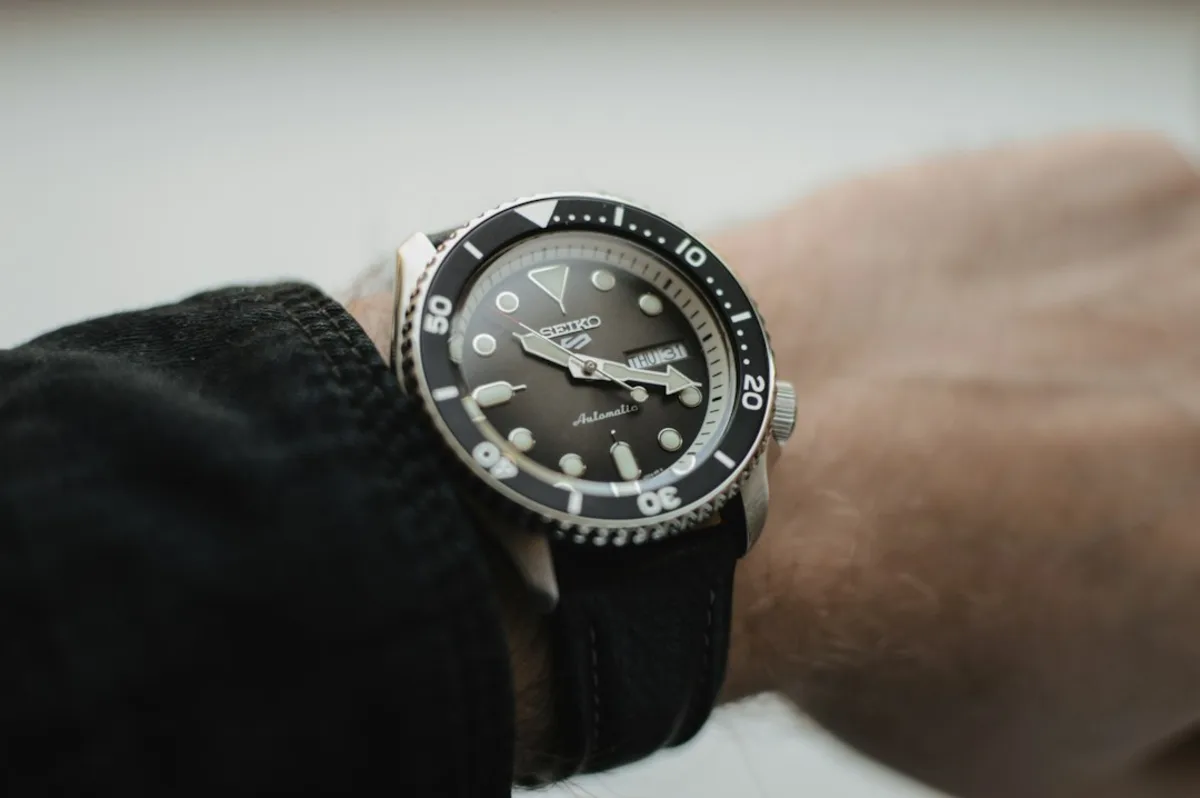
What Is a Tool Watch? A Clear Definition
Tool watch is one of the most used and least defined terms in watch collecting. Here is what it actually means, and the features that separate a real tool from a watch that just looks like one.
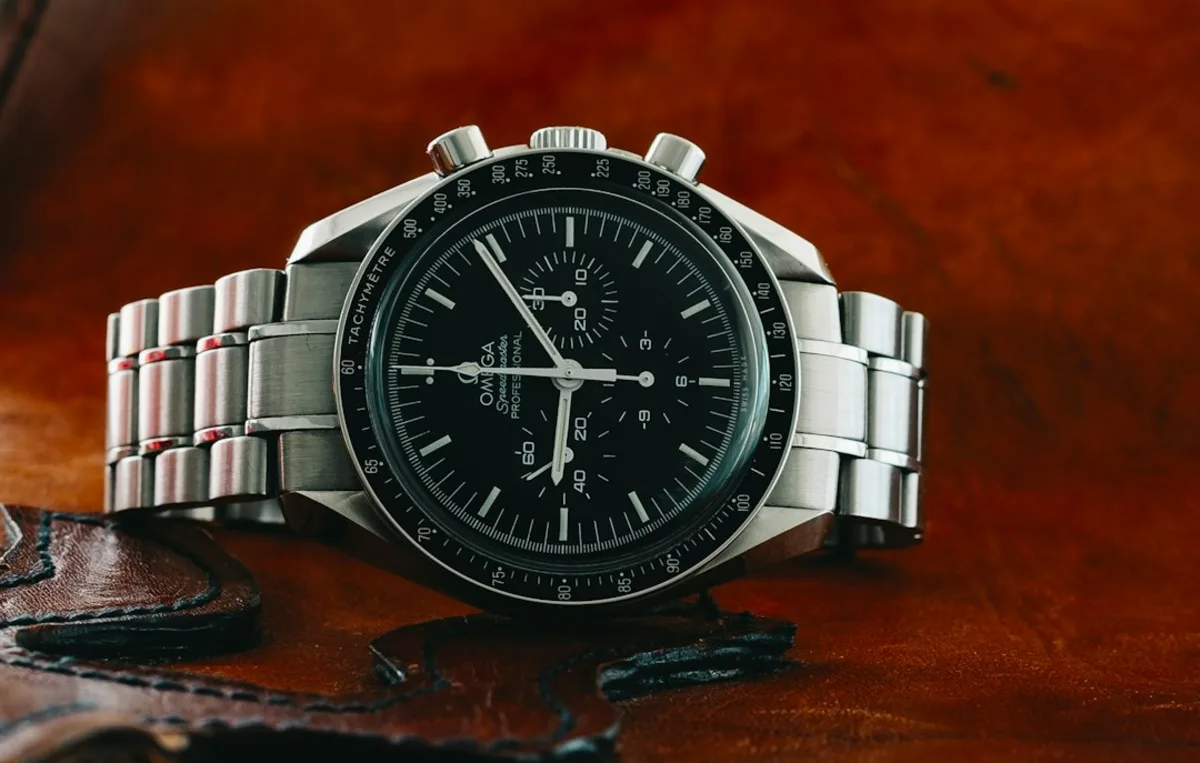
Omega Speedmaster Moonwatch Buying Guide: Hesalite or Sapphire?
The Moonwatch has barely changed in decades, but the choice between versions still matters. Here is what separates the Hesalite and Sapphire Sandwich models, and the older calibres.
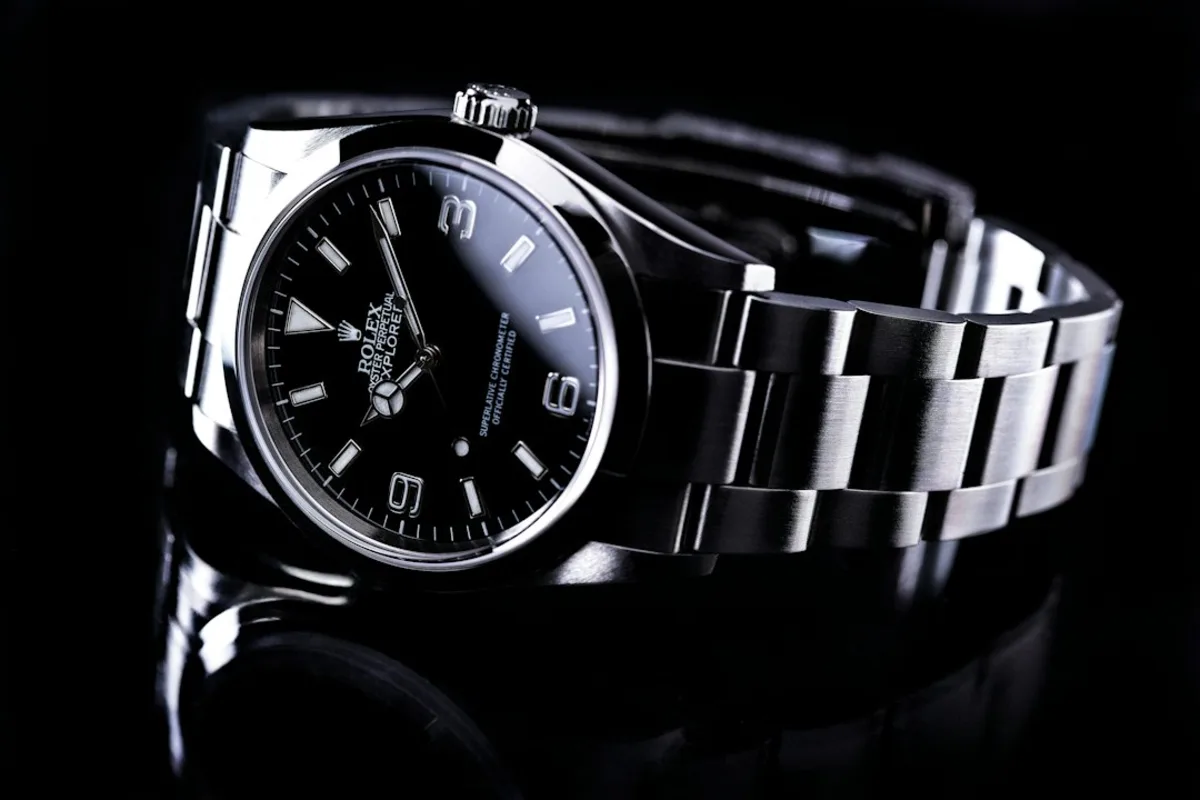
Rolex Explorer vs Explorer II: Which One Is for You?
They share a name, but the Explorer and Explorer II are very different watches. One is a pared-back three-hander, the other a 42mm GMT with a fixed 24-hour bezel.