How to Buy a Rolex at Retail: Waiting Lists Explained
Buying a Rolex at list price isn't impossible, it's just slow, political, and nothing like buying any other watch. Here's how the waiting list game actually works.
About this article: this is an informational article based on public sources: manufacturer specifications, published hands-on reviews by other outlets, owner feedback and current prices. We have not tested the watch ourselves, we are watch enthusiasts rather than professional journalists, and nothing here is buying advice. No brand paid for it. Our method
📑 Table of Contents
- Why the waiting list even exists
- What's actually hard to get (and what isn't)
- Step one: pick your dealer, not your watch
- Step two: build a genuine relationship
- How long does it actually take?
- What actually happens when your watch arrives
- Is the grey market ever the smarter move?
- Consider whether you actually need a Rolex
- The bottom line
Ask anyone who's tried and they'll tell you the same thing: buying a Rolex at retail is less like buying a watch and more like applying for a very small, very slow-moving club membership. There's no queue you can see, no ticket number, and often no straight answer about how long it'll take. And yet thousands of people do it every year, at the official retail price, without paying a grey market premium. It just takes patience, a bit of strategy, and realistic expectations about which watch you're actually going to get.
Why the waiting list even exists
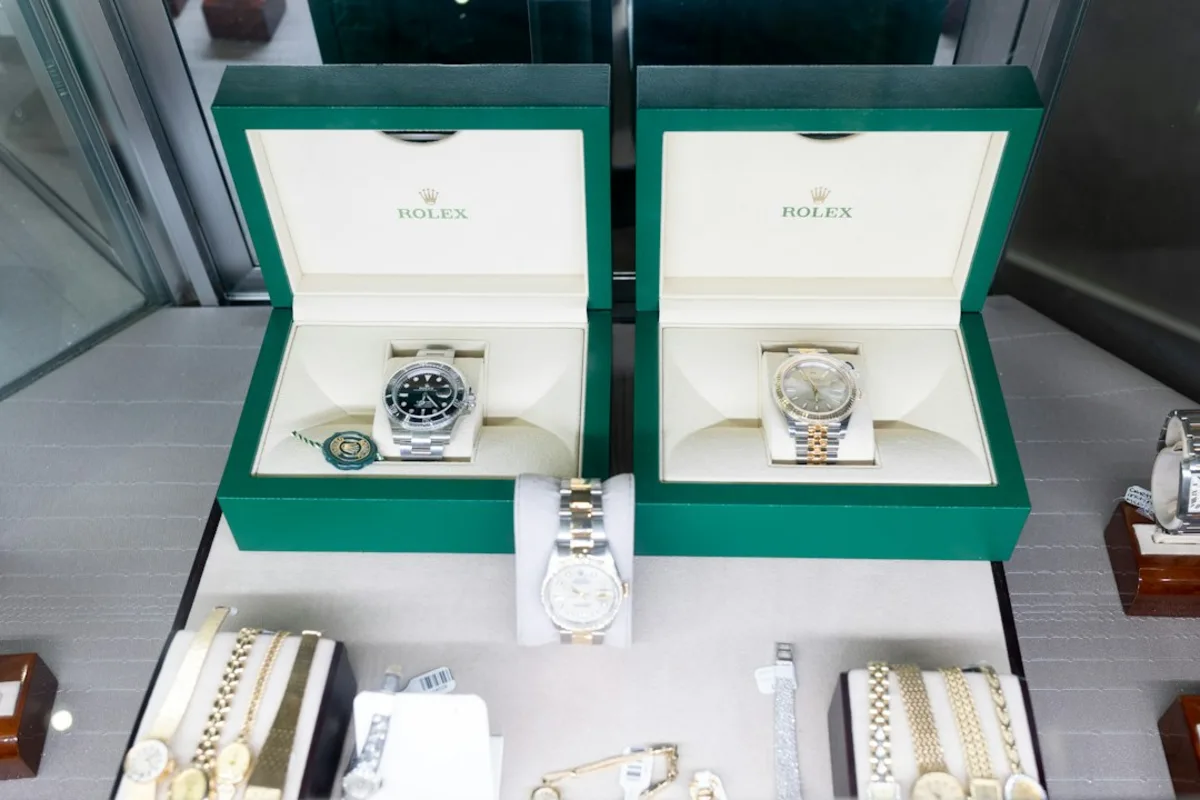
Rolex doesn't sell watches direct to the public. Every Rolex bought new goes through an Authorised Dealer (AD), a jewellery or watch retailer that Rolex has approved to sell its watches and that has to follow Rolex's rules on displays, service, and stock. Rolex controls how many of each model it allocates to each AD, and for the popular steel sports models, that allocation is nowhere near enough to meet demand.
This isn't really a supply chain accident. Rolex has kept demand running well ahead of supply for the Submariner, GMT-Master II, and Daytona for years, partly by design. Scarcity is part of the brand's mystique, and it's also why the grey market exists at all: dealers reselling watches for well above retail, sometimes double the original price for the hottest references, because people who don't want to wait will pay for the shortcut.
What's actually hard to get (and what isn't)
Not every Rolex has a waiting list. Plenty of references, especially in gold, two-tone, or with less mainstream dial colours, sit in ADs' cabinets ready to buy today. The watches that generate genuine multi-year waits are a short list: the steel Daytona, the GMT-Master II in the Batman and Pepsi colourways, the Submariner in steel, and a handful of Datejust and Day-Date references in precious metal that carry their own kind of prestige queue.
If your heart is set on a steel Daytona, you need to accept upfront that this could take years, and that's not an exaggeration for effect. If you're more flexible, an AD can often get you into a Rolex considerably faster, sometimes even from the display case that same day. Knowing which category you're in changes the entire strategy.
Step one: pick your dealer, not your watch
The biggest mistake newcomers make is walking into one AD, asking for a Submariner, being told there's a wait, and giving up or going straight to the grey market. The system rewards persistence and relationships far more than it rewards a single visit.
- Visit multiple ADs. Every authorised dealer runs its own list. There's no central Rolex queue. Being on the list at three different dealers triples your chances, not just adds to them.
- Go in person. A phone call or email rarely gets you taken seriously. Dressing reasonably and showing up shows you're a genuine buyer rather than a flipper, which matters more than people think.
- Be honest about what you want. Sales staff remember specific, realistic requests better than vague ones. "I'd like a Submariner Date in steel with a black dial" is easier for them to act on than "I want any Rolex you've got."
Step two: build a genuine relationship
This is the part that puts a lot of people off, and understandably so, because it can feel a bit like courting a bank manager. But ADs allocate their limited stock to customers they know and, frankly, like. That usually means buying something from them first.
This is where a lot of successful Rolex buyers start with a different watch entirely. Buying a Tudor Black Bay, an Omega Speedmaster, or even a nicer piece of jewellery from the same shop establishes you as a customer with a track record, not a stranger chasing a hyped reference. Tudor is owned by the same parent company as Rolex and many ADs sell both, so a Black Bay purchase followed by good faith visits over the following months is a well-worn path onto a Rolex list.
Some buyers go further and purchase two or three watches from an AD over a year or two before being offered the model they actually wanted. It sounds transactional because it is. Retailers are running a business, and loyalty (measured in pounds spent, unfortunately) is how they decide who gets first refusal on scarce stock.
Keep showing up, politely
Once you're on a list, or have expressed interest, checking in every couple of months keeps you visible without becoming a nuisance. Ringing every week is the fastest way to get quietly deprioritised. A friendly visit or call every six to eight weeks, ideally in person, tends to work better than constant pestering.
How long does it actually take?
There's no fixed answer, and any number quoted online should be treated as a rough guide rather than a guarantee, because it depends entirely on the AD, the region, and the specific reference. As a general shape of what to expect:
- Less sought-after references: weeks to a few months, sometimes available immediately.
- Submariner and GMT-Master II in steel: commonly a year or more, and multiple years is not unusual for specific dial colours.
- Steel Daytona: widely reported as the longest wait of all, often several years even for loyal customers.
If a salesperson promises you a specific date, be sceptical. Allocations shift, and even long-standing customers get told a watch expected "soon" has slipped again.
What actually happens when your watch arrives
When an AD finally has your watch, you'll usually get a call rather than an email, and you're expected to come in and buy it fairly promptly. This is the moment plenty of buyers forget to prepare for: full retail price, paid in one go, often within a tight window of a few days. Financing isn't part of the usual Rolex retail experience the way it might be for a car, so knowing your budget in advance, including sales tax or VAT where applicable, matters.
You'll also often be offered accessories, straps, or other watches alongside the one you actually want. Some ADs bundle purchases to move slower stock. You're under no obligation to take anything extra, though pushing back too hard on a bundled offer can occasionally sour the relationship if you plan to buy from that dealer again.
Is the grey market ever the smarter move?
Sometimes, yes. If you want a specific watch now and the premium isn't outrageous relative to what years of waiting cost you in opportunity, buying pre-owned or grey market from a reputable dealer isn't irrational. It's simply a different trade-off: money now instead of time and relationship-building.
What I'd avoid is treating retail waiting lists as a guaranteed investment strategy. Yes, some references have historically sold above retail on the secondary market, but chasing a hot reference purely to flip it is a habit ADs are increasingly wise to, and it's also just a bit joyless as a way to buy a watch you're supposed to enjoy wearing.
Consider whether you actually need a Rolex
It's worth being honest with yourself about what you're chasing. A lot of what people want from a Submariner, robust tool-watch design, a bracelet that wears well, genuine everyday durability, is available without the multi-year wait. The Tudor Black Bay shares design DNA and, in some cases, movement architecture with Rolex, at a fraction of the wait and cost. Seiko's 5 Sports line and the Orient Mako II cover similar dive-watch ground for a fraction of the price if budget rather than prestige is the real constraint. None of them carry the crown, but plenty of owners find that stops mattering after the first few weeks on the wrist.
The bottom line
Buying a Rolex at retail isn't a transaction, it's a slow-burn relationship with a shop, built over months or years, with no guaranteed outcome and no fixed timeline. If that sounds tedious, it's because it is. But for buyers who genuinely want the badge and the experience of buying it properly, rather than paying a grey market markup for instant gratification, it remains the only route to list price. Just don't walk in expecting a Daytona by Christmas.
Written by
RevieWatches Editorial Team
RevieWatches is an independent, informational watch site. We research specifications, track pricing across retail and grey markets, and summarise what published...
More in Luxury
Farer Watches: British Design, Swiss Movements, Bold Colour
Farer is an independent British brand making colourful, Swiss-made watches sold direct. We looked at its movements, sizes, prices, guarantee and returns.
AIS Watches: Is This Pre-Owned Luxury Dealer Legit?
AIS Watches is an Atlanta dealer in pre-owned and new luxury watches with a strong review record. Its payment and return terms put more risk on the buyer than big platforms, so here is how to buy safely.
Patek Philippe Nautilus vs Audemars Piguet Royal Oak: A Fair Fight
Two Gerald Genta designs, one steel obsession. Here's an honest look at how the Nautilus and Royal Oak actually differ, once you get past the hype and the waiting lists.