Do You Need a Watch Winder? An Honest Answer
Watch winders get sold as essential kit for automatic watches. Most of the time they're not. Here's when one actually earns its shelf space, and when it's just an expensive box that spins.
About this article: this is an informational article based on public sources: manufacturer specifications, published hands-on reviews by other outlets, owner feedback and current prices. We have not tested the watch ourselves, we are watch enthusiasts rather than professional journalists, and nothing here is buying advice. No brand paid for it. Our method

📑 Table of Contents
Every watch forum has the same thread eventually. Someone buys their first proper automatic, maybe a Tudor Black Bay or an Omega Seamaster, and asks do you need a watch winder to go with it. The replies split into two camps immediately: one lot insisting it's essential kit, the other saying it's a solution looking for a problem. I've read enough of these threads to have a firm opinion, and it's this: for the vast majority of people, a watch winder is a nice-to-have gadget dressed up as a necessity.
Let's work out why, because the answer genuinely depends on what's in your watch box and how you live with it.
What a winder actually does
A watch winder is a motorised box that rotates an automatic watch on a rest, mimicking the movement of a wrist so the rotor inside keeps winding the mainspring. That's it. There's no magic, no special maintenance function, nothing that a movement can't get from being worn normally or wound by hand. It exists purely to keep an automatic watch running and, in watches with a date or day function, to save you the fiddly job of resetting it every time you pick the watch back up.
That second bit is the whole argument, really. Winders don't make a movement healthier. They just keep it ticking over when it's not on a wrist, so you're not stuck correcting the date through the crown every Monday morning.
The case for one, and it's a real case
If you own a single three-hand watch with a simple date window, like a Rolex Submariner or a Seiko 5 Sports, resetting the date takes about ten seconds. Not exactly a hardship. But complications change the maths.
Anything with an annual calendar, a full perpetual calendar, or a moonphase display becomes genuinely painful to reset from scratch. Rolex's Sky-Dweller is the obvious example, and there are Speedmaster variants and other chronographs with moonphase complications where getting every function back in sync after the watch has stopped can take real time and, in some cases, isn't something you can safely rush through the crown at all. For watches like that, a winder isn't a toy. It's a genuinely sensible way to avoid a fiddly, occasionally risky correction process every time the watch has sat still for a couple of days.
The other legitimate use case is a rotation of several automatics. If you've got four or five watches and wear each one for a week or two at a time, letting the others sit dead in a drawer means every single one needs setting from scratch when its turn comes round. A winder (or several) keeps them all ready to grab and go. That's convenience, not necessity, but it's real convenience if your collection has grown past the point where you can wear everything regularly.
The case against, which covers most owners
Here's where I'll be blunt: if you own one or two automatic watches and wear them in rotation with the rest of your week, you don't need a winder. Setting the time and date on a Tudor Black Bay or an Orient Mako II takes under a minute. Automatic movements are designed to be wound by hand, and doing so occasionally does the movement no harm whatsoever. The idea that a mechanical watch needs to be kept permanently running to stay healthy is one of the most persistent myths in the hobby, and it's simply not true.
Modern lubricants used in watch movements don't need constant motion to stay distributed. They're formulated to sit in place for extended periods without drying out or pooling, which is part of why a serviced watch can sit in a drawer for months and still run perfectly the moment you wind it and set it going again. If leaving a watch stationary genuinely damaged movements, every watch shop's back stock would be a graveyard of ruined pieces, and every collector with more than three watches would be constantly repairing the ones not currently on the wrist. That's obviously not happening.
There's also the overwinding myth worth killing off here too, since it usually comes up in the same conversation. You cannot overwind a modern automatic watch by hand. They all have slipping clutch mechanisms that disengage once the mainspring is fully wound, so twisting the crown a few extra times does nothing except waste your morning. Winders don't protect against a problem that doesn't exist.
The bit nobody likes to admit
A good chunk of winder sales are about ritual and display, not function. There's something satisfying about a cabinet of watches quietly rotating on their little cushions, and I understand the appeal completely. It looks good. It feels like proper collector behaviour. But feeling like a serious collector and actually needing the equipment are two different things, and it's worth being honest with yourself about which one is driving the purchase.
If you're buying a winder because you like the aesthetic of a watch box that hums quietly on a shelf, fine, that's a legitimate reason to spend money on a hobby. Just don't convince yourself it's protecting your investment, because it isn't. The watch inside would be exactly as healthy sitting still in a drawer.
If you do get one, don't cheap out
Where winders genuinely go wrong is at the budget end of the market. Cheap winders often use motors that turn far more aggressively or far more frequently than a wrist ever would, which is unnecessary wear on the rotor bearing for no benefit at all. Worse, some cheaper units have been reported by owners to carry enough residual magnetism from their motors to actually magnetise the watch sitting inside them, which is a genuinely counterproductive outcome for a device whose entire purpose is watch care. A magnetised movement runs fast and needs demagnetising to fix, so a bad winder can create the exact problem it's supposedly solving.
If you're set on buying one, look for a winder with an adjustable turns-per-day setting and rotation direction, since different movements need different numbers of turns to stay wound (this is usually specified by the watch manufacturer, and worth checking before you buy). Bidirectional rotors need less specific settings than one-directional ones. Spend a bit more for a unit with a decent, well-shielded motor rather than the cheapest option on a marketplace listing. It's a small outlay next to the price of the watch it's meant to be looking after, so there's no sense scrimping on the one part that could actually cause harm.
The Bottom Line
For a single watch or a small rotation of simple three-handers, a winder solves a problem you don't have. Wind it by hand, set the date, wear it. That's the whole ritual, and it takes less time than making a coffee. Save the money, or put it towards a strap, a service fund, or the next watch.
For a proper collection with calendar complications, moonphases, or five-plus watches in rotation, a decent winder earns its keep by saving you real hassle. That's not a marketing line, that's just how annoying it is to reset a perpetual calendar from cold.
Everyone in between is buying a winder because they like the idea of one, and there's nothing wrong with that as long as you know that's what you're doing. Just don't let anyone tell you your watch needs it to survive. It doesn't. It never did.
Written by
RevieWatches Editorial Team
RevieWatches is an independent, informational watch site. We research specifications, track pricing across retail and grey markets, and summarise what published...
More in Editor's Choice
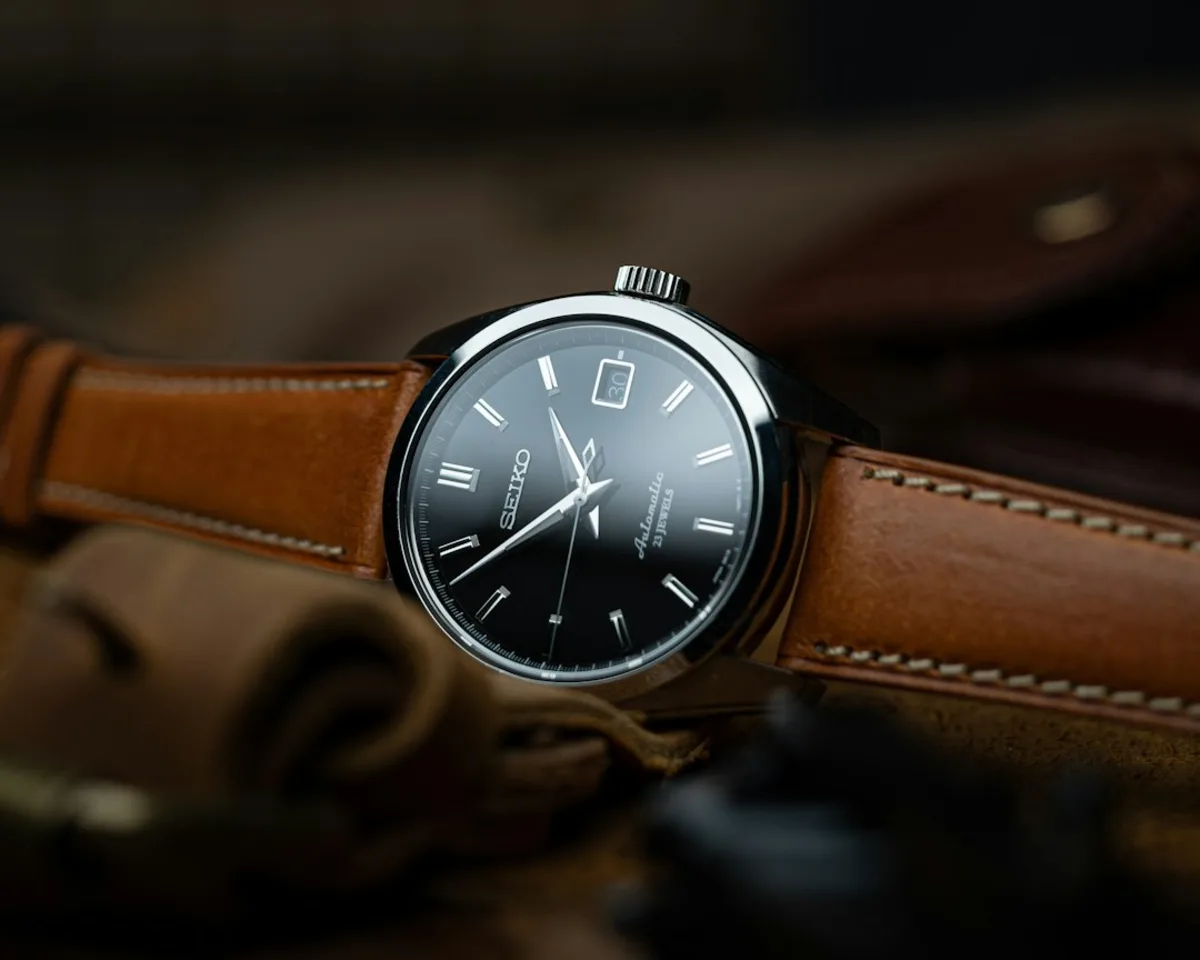
Watch Strap Guide: NATO, Rubber, Leather or Bracelet?
Changing the strap is the fastest way to change how a watch looks and feels. Here are the main watch strap types, what each is good for, and how to pick the right size.
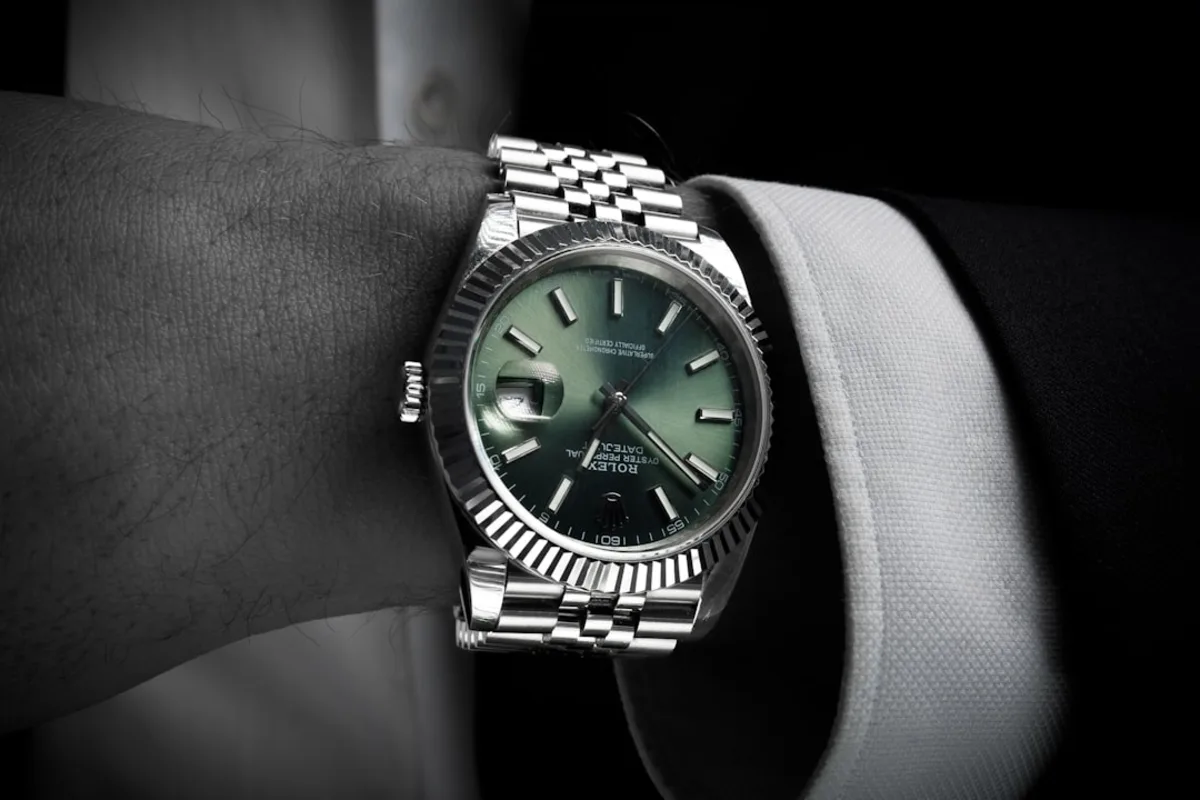
How to Clean a Watch and Bracelet Without Damaging It
A watch worn every day collects sweat, skin and grime, especially in a steel bracelet. Cleaning it takes minutes if you use the right method, and a few mistakes can cause real damage.
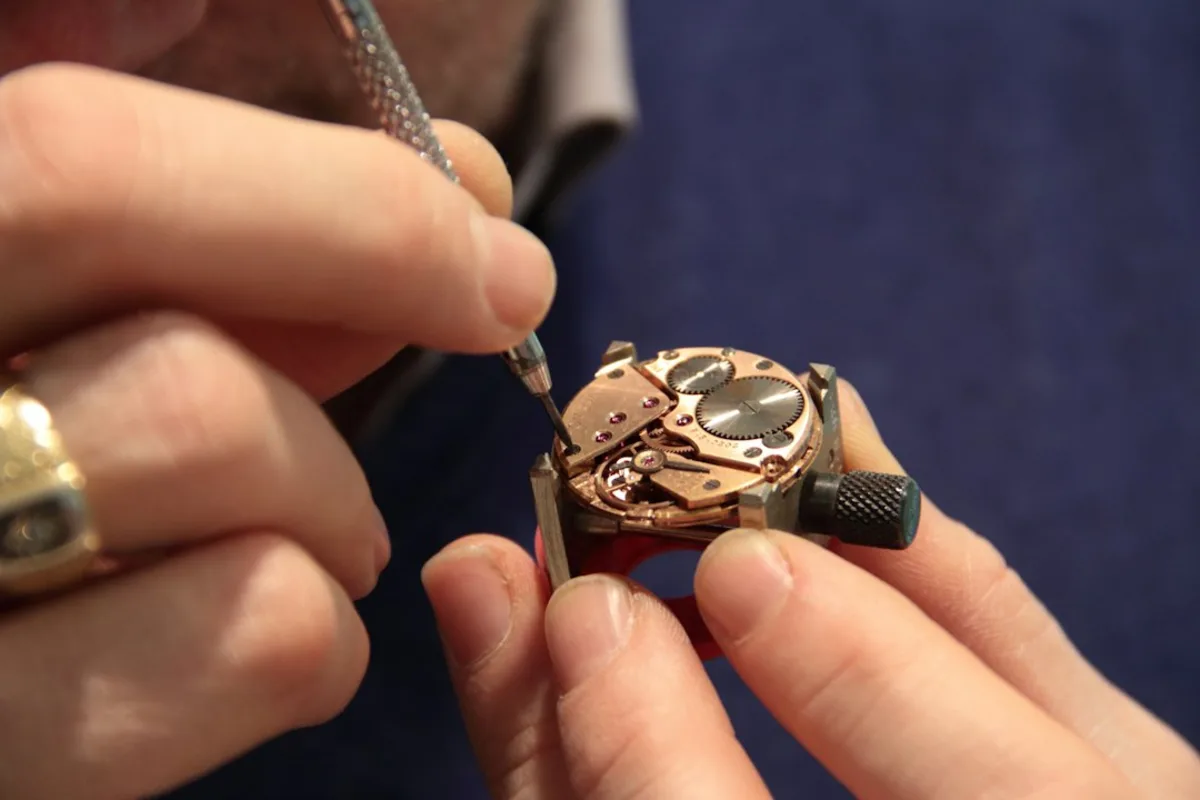
How to Wind and Set a Mechanical Watch Correctly
Winding and setting a mechanical watch takes seconds, but a few common mistakes can cause damage. Here is the correct way to do it, step by step.