How to Wind and Set a Mechanical Watch Correctly
Winding and setting a mechanical watch takes seconds, but a few common mistakes can cause damage. Here is the correct way to do it, step by step.
About this article: this is an informational article based on public sources: manufacturer specifications, published hands-on reviews by other outlets, owner feedback and current prices. We have not tested the watch ourselves, we are watch enthusiasts rather than professional journalists, and nothing here is buying advice. No brand paid for it. Our method
📑 Table of Contents
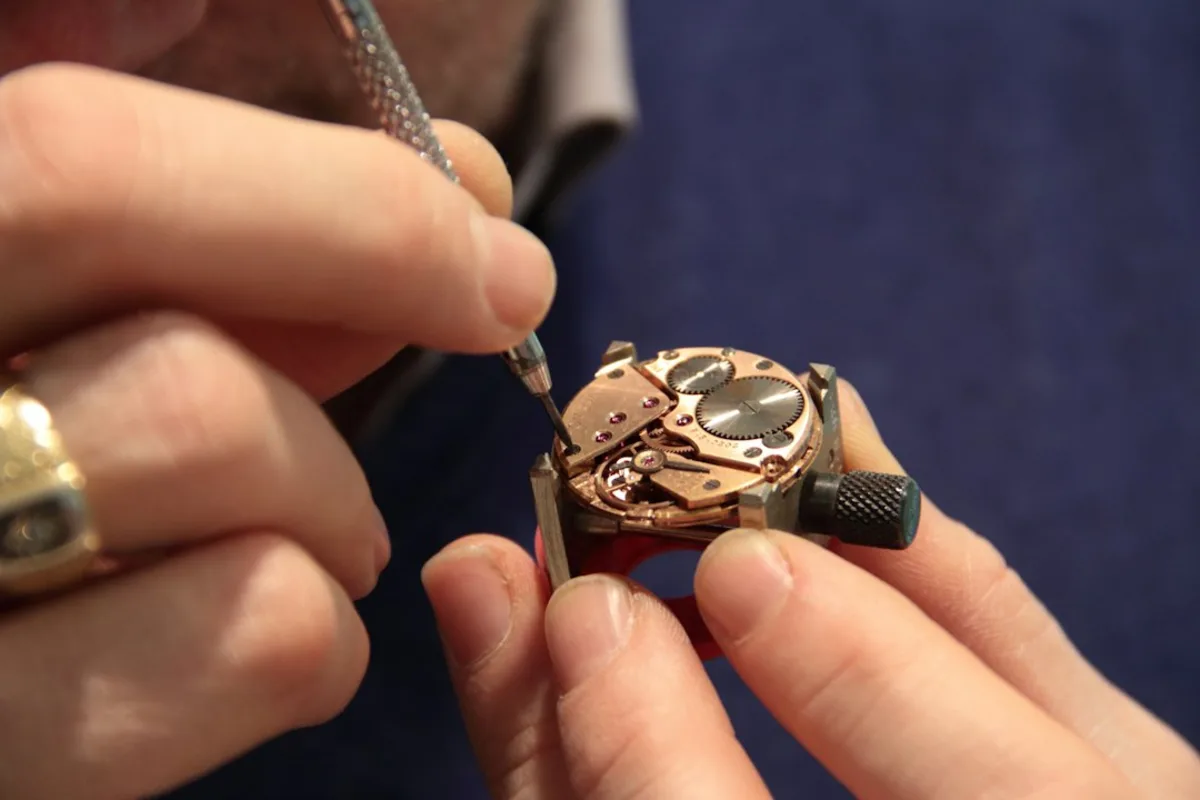
Knowing how to wind an automatic watch, and how to wind and set a manual one, is basic knowledge for any mechanical watch owner. It only takes a few seconds, but getting it right protects the movement and keeps the watch running accurately. This guide covers the correct method and the mistakes worth avoiding.
Understanding the Crown Positions
Most mechanical watches have a crown with up to three positions:
- Position 0 (pushed in): winding position on most watches.
- Position 1 (pulled out one step): quick date setting on watches with a date.
- Position 2 (pulled out fully): time setting.
If your watch has a screw-down crown, common on dive watches, you must first unscrew it anticlockwise until it pops free. Only then can you wind or pull it out. Always screw it back down fully afterwards, or the watch loses its water resistance.
How to Wind an Automatic Watch
An automatic watch winds itself as you wear it, but if it has stopped, it is best to give it a manual start rather than relying on wrist movement alone.
- Unscrew the crown if it is a screw-down type.
- In position 0, turn the crown clockwise (away from you) around 20 to 40 times. The exact number varies by movement, so check your manual if you have it.
- Most automatic movements have a slipping mechanism, so you cannot overwind them, but there is no benefit in winding far beyond what the manual suggests.
- Set the time, then push in and screw down the crown.
How to Wind a Manual Watch
- In position 0, turn the crown clockwise with gentle, even turns.
- Stop when you feel firm resistance. That means the mainspring is fully wound.
- Never force the crown beyond that point.
It is best to wind a manual watch at the same time each day, often in the morning, so it always has a healthy reserve.
How to Set the Time
- Pull the crown to the time-setting position.
- Many watches have hacking seconds, which stop the seconds hand so you can synchronise precisely.
- Move the minute hand slightly past the correct time, then bring it back. This takes up any slack in the gears.
- Push the crown back in, and screw it down if needed.
How to Set the Date Safely
This is where most accidental damage happens. On many mechanical watches, the date change mechanism is engaged for several hours around midnight. Using the quick-set date during that window can damage it.
- As a general rule, avoid using the quick-set date roughly between 9pm and 3am on the watch's time. Check your manual, as the window varies by movement.
- A safe method: set the time to around 6:30, set the date to the day before, then advance the hands through midnight until the date changes, and continue to the correct time.
- This also makes sure the watch knows whether it is AM or PM, so the date changes at midnight rather than noon.
Common Mistakes to Avoid
- Forgetting to screw down a screw-down crown before swimming or showering.
- Setting the date during the midnight danger window.
- Winding or adjusting the crown while the watch is still on the wrist, which puts sideways pressure on the stem.
- Pulling or pushing the crown underwater.
- Winding back and forth hard and fast rather than smoothly.
Do You Need a Watch Winder?
A watch winder keeps an automatic watch running when you are not wearing it. It is convenient for watches with complications that are tedious to reset, such as perpetual calendars, but it is not necessary for most watches. Simply winding and setting the watch when you next wear it does no harm.
The Bottom Line
Unscrew the crown, wind gently, set the time with care, and keep the quick-set date away from midnight. Those few habits cover almost everything, and they will keep a mechanical watch running well for decades.
Related reading
- Automatic vs Manual Watch: Which Movement Suits You?
- Do You Need a Watch Winder? An Honest Answer
- Why Is My Automatic Watch Losing Time? Causes and Fixes
Frequently Asked Questions
How many times should I wind an automatic watch?
Around 20 to 40 turns of the crown is typical to start an automatic that has stopped, though it varies by movement. Check the manual for your watch if you have it.
Can you overwind an automatic watch?
Most automatic movements have a slipping mechanism that prevents overwinding, but there is no benefit in winding much more than the manual recommends.
When should I not change the date on a watch?
Avoid using the quick-set date roughly between 9pm and 3am on the watch's time, when the date mechanism is often engaged. The exact window varies by movement.
Do I need to unscrew the crown to wind my watch?
Only if it has a screw-down crown, which is common on dive watches. Unscrew it first, and always screw it back down fully afterwards to keep the watch water resistant.
Written by
RevieWatches Editorial Team
RevieWatches is an independent, informational watch site. We research specifications, track pricing across retail and grey markets, and summarise what published...
More in Editor's Choice
Automatic vs Manual Watch: Which Movement Suits You?
Both are mechanical, both use a mainspring, and both need no battery. The difference is how the mainspring gets wound, and that small detail changes how the watch fits into your life.
Grand Seiko Spring Drive Explained: How It Actually Works
Spring Drive is neither a mechanical nor a quartz watch in the usual sense. It is a mainspring-powered movement regulated by quartz, and it produces one of the smoothest seconds hands in watchmaking.
GMT vs Worldtimer vs Dual Time: Which Travel Watch Do You Actually Need?
Three complications, three very different jobs. Here's how to work out whether you need a GMT, a worldtimer, or a simple dual time watch, and how much each one actually costs to get right.