Best Rolex Watches in 2026: 6 Models Actually Worth Buying
From the Submariner that started it all to the GMT that's still selling out, here are the six Rolex watches worth actually recommending buying in 2026.
About this article: this is an informational article based on public sources: manufacturer specifications, published hands-on reviews by other outlets, owner feedback and current prices. We have not tested the watch ourselves, we are watch enthusiasts rather than professional journalists, and nothing here is buying advice. No brand paid for it. Our method
📑 Table of Contents
- 1. Submariner Date 126610LN: The One That Started It All
- 2. Explorer 124270: The Underrated Daily Driver
- 3. GMT-Master II 126710BLRO: The Pepsi Everyone Wants
- 4. Datejust 36 126234: The Versatile Classic
- 5. Daytona 116500LN: The Hype Beast (That's Actually Good)
- 6. Air-King 126900: The Weird One That Works
- Final Thoughts
Getting a Rolex at retail price is notoriously difficult, and that reputation has only grown over the years. Walk into an authorised dealer looking for a Submariner and you're more likely to be added to a waiting list than to walk out with a watch on your wrist. It's a well documented frustration among prospective buyers, and it shapes almost every decision on this list.
That's Rolex in 2026. The game hasn't changed much. Certain models are difficult to get at retail, grey market prices are steep, and everyone has an opinion about which watches are "actually good" versus which ones are just hype. Based on specifications, pricing data, and what owners and reviewers consistently report, here's an honest look at the models worth your time and money right now.
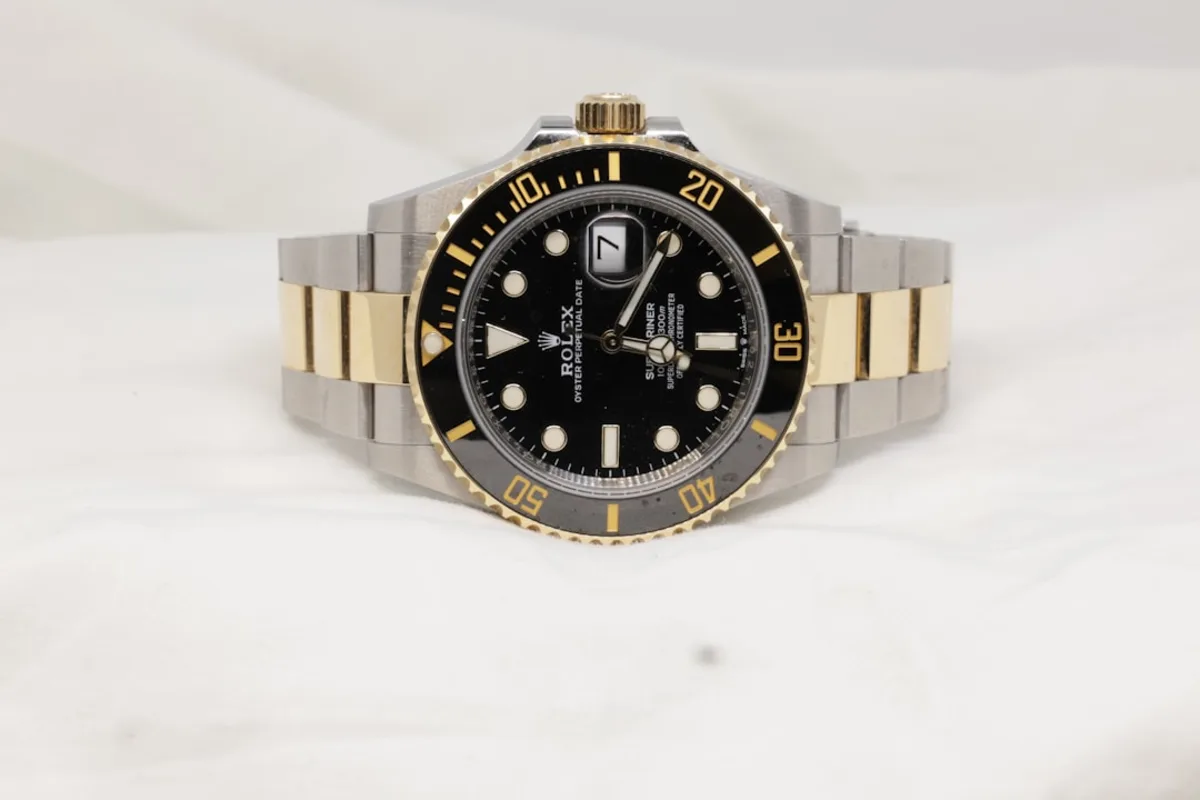
1. Submariner Date 126610LN: The One That Started It All
Let's get the obvious one out of the way. The black Submariner Date is still the quintessential Rolex. Owners consistently report that it's the kind of watch that gets worn daily and rarely comes off, standing up to swimming, gym sessions and formal occasions alike without missing a beat.
The 41mm case introduced in 2020 wears better than the old 40mm, according to most reviewers. The lugs are slimmer, the bracelet tapers more aggressively, and the whole thing is reported to sit flatter on the wrist. Complaints about the size increase tend to come from people going on spec sheets alone rather than trying the watch on, though wrist size is of course a personal factor.
The Calibre 3235 movement has a strong reputation for reliability. Seventy hours of power reserve means you can take it off on a Friday night and put it back on Monday morning without winding. The ceramic bezel is widely reported to resist scratching and fading over years of use. The one recurring criticism in owner feedback is that the Glidelock clasp can be fiddly to adjust on the fly, but that's a minor gripe against an otherwise excellent watch.
Retail is the cheapest route, but good luck getting one at that price. Grey market hovers around £10,500-11,500 depending on the week. Worth it? If you want one Rolex for life, this is it. Just be prepared to either wait or pay the premium.
2. Explorer 124270: The Underrated Daily Driver
This is the one I wish more people talked about. The 36mm Explorer returned in 2021 after more than a decade as a 39mm watch, and it may be the most underrated watch in the current lineup. No date, no complications, just a time-only watch that does its job perfectly.
Thirty-six millimetres sounds small if you've been conditioned by the 42mm-plus trend, but the dimensions suggest otherwise. It's reported to slide comfortably under a shirt cuff without dominating the wrist, while still holding presence. The 3-6-9 dial is clean and legible. The bracelet is widely praised for comfort. There's little to complain about.
It's the kind of watch built for genuine outdoor use, rain, mud and rough terrain included, and owners commonly note that it holds up without complaint. That's what an Explorer is meant to do. It's a tool watch that happens to look good in a suit, not the other way around.
Retail is £5,600. Grey market adds maybe £1,200-1,500. Still cheaper than a Submariner and arguably more versatile. If you're not desperate for a dive watch, this is the smarter buy.
3. GMT-Master II 126710BLRO: The Pepsi Everyone Wants
The red and blue bezel GMT. The "Pepsi". The watch that launched a thousand Instagram posts. Grey market markups on this one are hard to justify, but it's worth examining why demand remains so high.
Reviewers consistently note that the colours look better in person than in photos. Images can make the blue look almost purple depending on the light, whereas in reality it's described as a deep navy that shifts slightly with the angle. The red is reported to be bright without tipping into garish. The combination is widely regarded as simply working.
The Jubilee bracelet is generally considered the right choice here. The Oyster is seen as too tool-watch for a GMT with this much colour, while the Jubilee adds a touch of elegance and dressiness. It's a watch regularly described as suiting everything from jeans to a tuxedo.
The GMT function itself is genuinely useful for anyone who actually travels across time zones, and it's widely regarded as one of the best executions of the complication on the market. The jumping hour hand is intuitive, the bezel clicks precisely, and the overall system is praised for its simplicity.
Retail is £9,100. Grey market is steep, £15,000-17,000 depending on condition and the seller's read on demand. That's where the value proposition breaks down for me personally. But if you can get one at retail, it's absolutely worth doing. It also holds value better than almost any other Rolex.
4. Datejust 36 126234: The Versatile Classic
The Datejust gets dismissed as boring by the sports watch crowd, but that's nonsense. A 36mm Datejust on a Jubilee bracelet with a fluted bezel is one of the most elegant watches available at any price point.
Configuration matters a great deal with this model. The consensus among reviewers and long-term owners favours sticking with 36mm, a fluted bezel, and a Jubilee bracelet rather than an Oyster, which tends to look too sporty and mismatched against the dressier proportions. Dial colour is a matter of taste, but classic options such as slate, black, blue or white are generally considered to age the best.
The Datejust fills the gap where a Submariner feels too casual and a Cellini feels too dressy. Client meetings, weddings, nice dinners. It's the Rolex that doesn't announce itself but still gets noticed by people who know what they're looking at.
Retail starts around £6,400 depending on configuration. Grey market adds £1,000-2,000. Not the worst markup in the Rolex world. And unlike the sports models, it's reportedly more feasible to get one at an AD with a bit of patience.
5. Daytona 116500LN: The Hype Beast (That's Actually Good)
Let's be honest about the state of the market. Grey market prices for the steel Daytona are eye watering, £25,000+ for a chronograph that retails at a fraction of that. That's Patek money. It's a genuinely difficult price to defend.
That said, based on the specifications and near universal praise from reviewers, the watch itself is genuinely brilliant. The proportions are widely admired. Forty millimetres is reported to wear smaller than the number suggests, the pushers are well-positioned, and the ceramic bezel is consistently singled out as gorgeous. The panda dial, white with black subdials, is regularly cited as one of the best-looking chronograph dials ever made.
The 4130 movement is Rolex's in-house chronograph calibre and has an excellent reputation. Smooth pushers, a hacking seconds function, and seventy-two hours of power reserve. It's a proper tool watch that happens to have become a cultural icon along the way.
Should you buy one? Not at grey market prices. Absolutely not. The watch is great, but it's not £25,000 great. If you can somehow get on an AD's good list and secure one at retail, then yes, it's worth buying immediately. You could flip it for a substantial profit or keep it and enjoy one of the best chronographs ever made.
But paying grey market prices means you're buying the hype rather than the watch. I can't recommend that in good conscience.
6. Air-King 126900: The Weird One That Works
This is a controversial choice. The Air-King gets roasted online. Too busy, too many colours, the green "ROLEX" text is garish, the yellow accents feel random. On paper, this watch sounds like a mess.
But the dimensions and reviewer feedback suggest it works better in reality than in photos. The 40mm case is generally described as comfortable, and the crown guards give it presence. The dial, which looks cluttered in images, is reported to be genuinely legible in person, with the large 3-6-9 numerals standing out clearly. The minute track with five-minute markers is practical for actual timekeeping.
It's widely described by owners as unpretentious in a way that most current Rolexes aren't. It's unlikely to draw the same attention as a Submariner or Daytona, which for many owners is precisely the appeal. It's just a watch that does watch things.
The Calibre 3230 movement is shared with the Explorer. It has a strong reputation for reliability and accuracy, with seventy hours of power reserve. Nothing groundbreaking, but nobody buys an Air-King for horological innovation.
Retail is £6,200. Grey market is maybe £6,800-7,500. Basically, it's one of the more attainable models in the current lineup, which alone makes it worth considering. In a market where half the Rolex catalogue is unobtainable at retail, the Air-King is a refreshing exception.
Final Thoughts
Rolex in 2026 is still the same game it's been for the last five years. Certain models are difficult to find, grey market pricing is wild, and the AD waiting list is a genuine source of frustration. But the watches themselves are still excellent. The movements are reliable, the build quality is top tier, and they hold value better than almost anything else on the market.
If I had to pick one from this list, I'd go for the Explorer. It's the most versatile, reportedly the most comfortable, and the least pretentious of the six. But honestly, any of these will serve their owner well. Just don't overpay on the grey market unless the money genuinely doesn't matter to you. There are too many great watches out there to throw an extra £10,000 at a Daytona just because you don't want to wait.
Written by
RevieWatches Editorial Team
RevieWatches is an independent, informational watch site. We research specifications, track pricing across retail and grey markets, and summarise what published...
More in Luxury
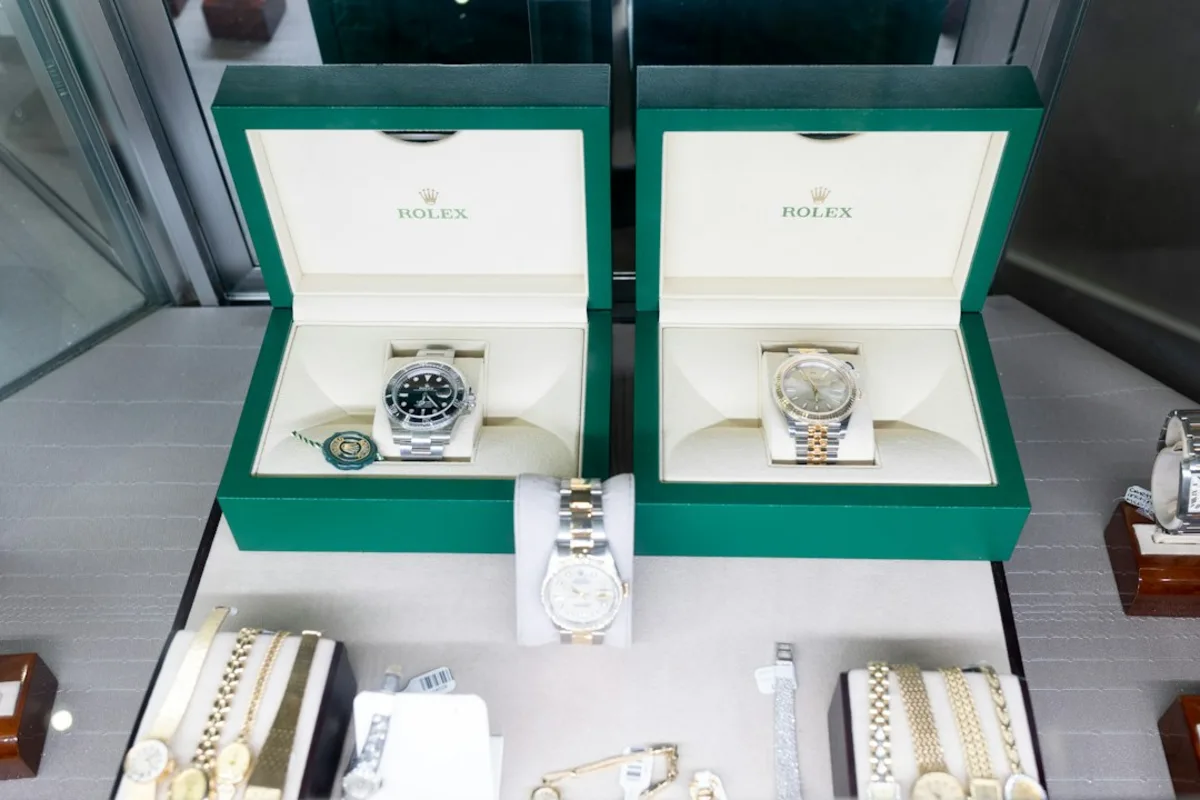
How to Buy a Rolex at Retail: Waiting Lists Explained
Buying a Rolex at list price isn't impossible, it's just slow, political, and nothing like buying any other watch. Here's how the waiting list game actually works.
Farer Watches: British Design, Swiss Movements, Bold Colour
Farer is an independent British brand making colourful, Swiss-made watches sold direct. We looked at its movements, sizes, prices, guarantee and returns.
AIS Watches: Is This Pre-Owned Luxury Dealer Legit?
AIS Watches is an Atlanta dealer in pre-owned and new luxury watches with a strong review record. Its payment and return terms put more risk on the buyer than big platforms, so here is how to buy safely.